



Airbus Identifies A321neo Defect Affecting 500 Aircraft
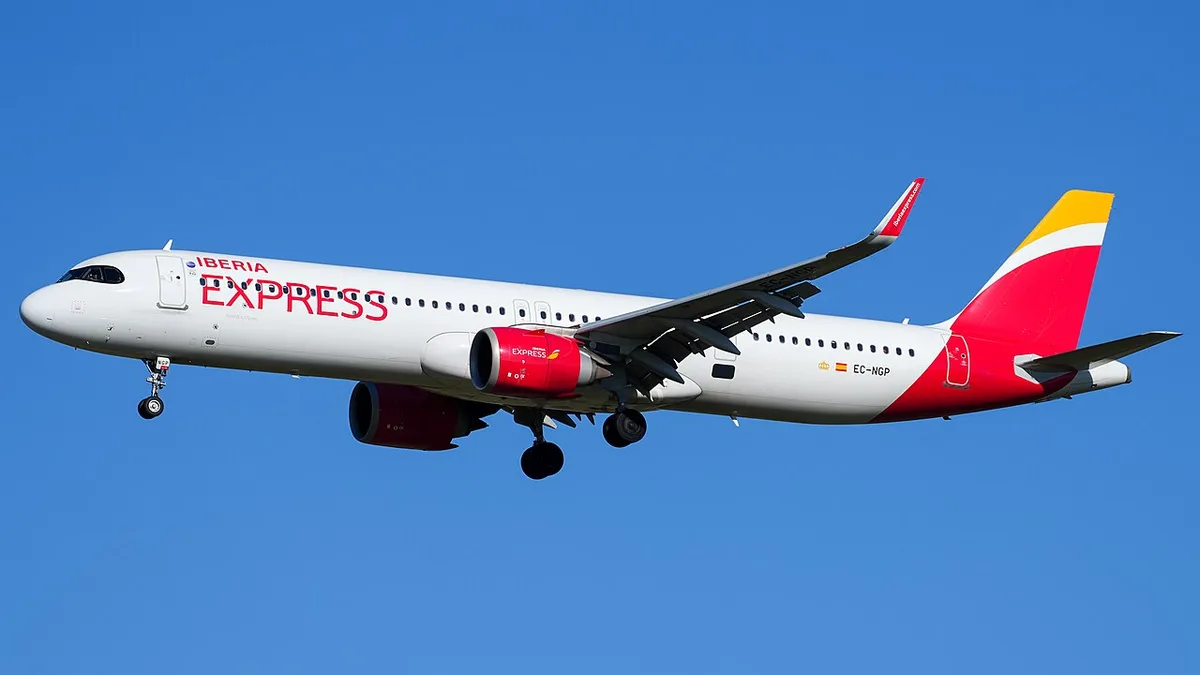
Parts already moving through standard rework on the production line brought the nonconformity into view. Airbus confirmed a surface protection deviation on stringers at the lower front section of the fuselage, affecting a number of A321 aircraft. The parts are made by Stelia, the company’s in-house aerostructures unit.
The defect affects about 500 aircraft. Roughly 250 already operate in airline fleets and 250 remain in production.
Airbus first spotted the problem over the summer. Only recently did the first results from closer analysis come back.

In a modern airliner the fuselage is the main body that carries crew, passengers and cargo. Most large jets use a semi-monocoque design: formers set the cross-section shape, then lightweight longitudinal members called stringers join those formers and stiffen the aluminum skin that covers them. The stringers run the length of the lower forward fuselage. Any shortfall in the protection applied to them stays hidden until the structure is opened again for other work.
What slipped was the coating. Airbus described a “deviation” in the surface protection applied to those stringers—the thin barrier of primers and surface treatments that delays corrosion in alloy exposed to moisture, condensation and the contaminants that collect beneath the cabin floor and in the cargo hold. That layer is not structural metal. When the protection falls short of specification, corrosion resistance inside the structure is reduced. The shortfall does not mean an immediate loss of integrity. It shortens the durability margin the airframe is built to carry over years of pressurized service.
Airbus said the finding is a quality issue that does not pose a safety risk. The aircraft may keep flying. The company has identified and contained the source of the issue, and a remedy is available. The same deviation does not affect the A321XLR.

Those airframes are A321neos, Airbus’s largest and most popular single-aisle jet. The airplane seats up to 244 passengers and is designed to fly routes of up to 4,000 nautical miles (7,400 km). That combination of capacity and range has made it the flagship workhorse for major airlines on high-density domestic routes and longer single-aisle sectors, some of them transatlantic. It stands at the top of the A320neo family, the re-engined narrow-body development of the earlier A320 series. New engines and sharklet wingtip devices improve fuel burn by 15 to 20 percent; the A321neo stretches that shared structure to its longest form, packing the highest passenger count into a single aisle while still reaching distances the shorter models cannot.
The finding is the second fuselage quality issue to reach the model in nine months. In December 2025 Airbus reported defects with fuselage panels. The company described that earlier episode as a quality problem with no safety implications, yet unravelling it still caused several months of delivery delays.
Airbus began alerting its customers and told them there was no immediate requirement to repair. Customers continued taking deliveries without insisting that any extra work be carried out in advance. Industry publication The Air Current first reported the issue on Thursday, citing people familiar with the matter. Reuters and other outlets followed the same day.

The timing pressed against a production climb already under way. Airbus is pushing narrow-body output toward 75 jets a month from about 60, a rate pursued after earlier years when neo-family production sat near fifty aircraft a month and subsequent targets stepped through the low sixties. Delivery numbers showed the distance still open: 475 aircraft handed over through the end of August 2026 against a full-year target set between 850 and 890. September shipments had not yet been reported, and the fourth-quarter surge that customarily fills the annual books still lay ahead. Shares fell 0.33 percent to 194.38 euros in Paris.
European regulators may issue a directive requiring the defects to be repaired within a certain period. Production jets still incomplete would be reworked before delivery, the coating restored on the line so each airframe meets specification by handover. Airbus does not expect any change to its full-year delivery guidance.
Delta Air Lines operates the A321neo. The carrier said it would always take action to meet or exceed operator recommendations and regulator directives.
The remaining unfinished A321neos keep moving down the line under the contained fix.