


AkzoNobel agrees $1.35 billion Asia sale to Nippon
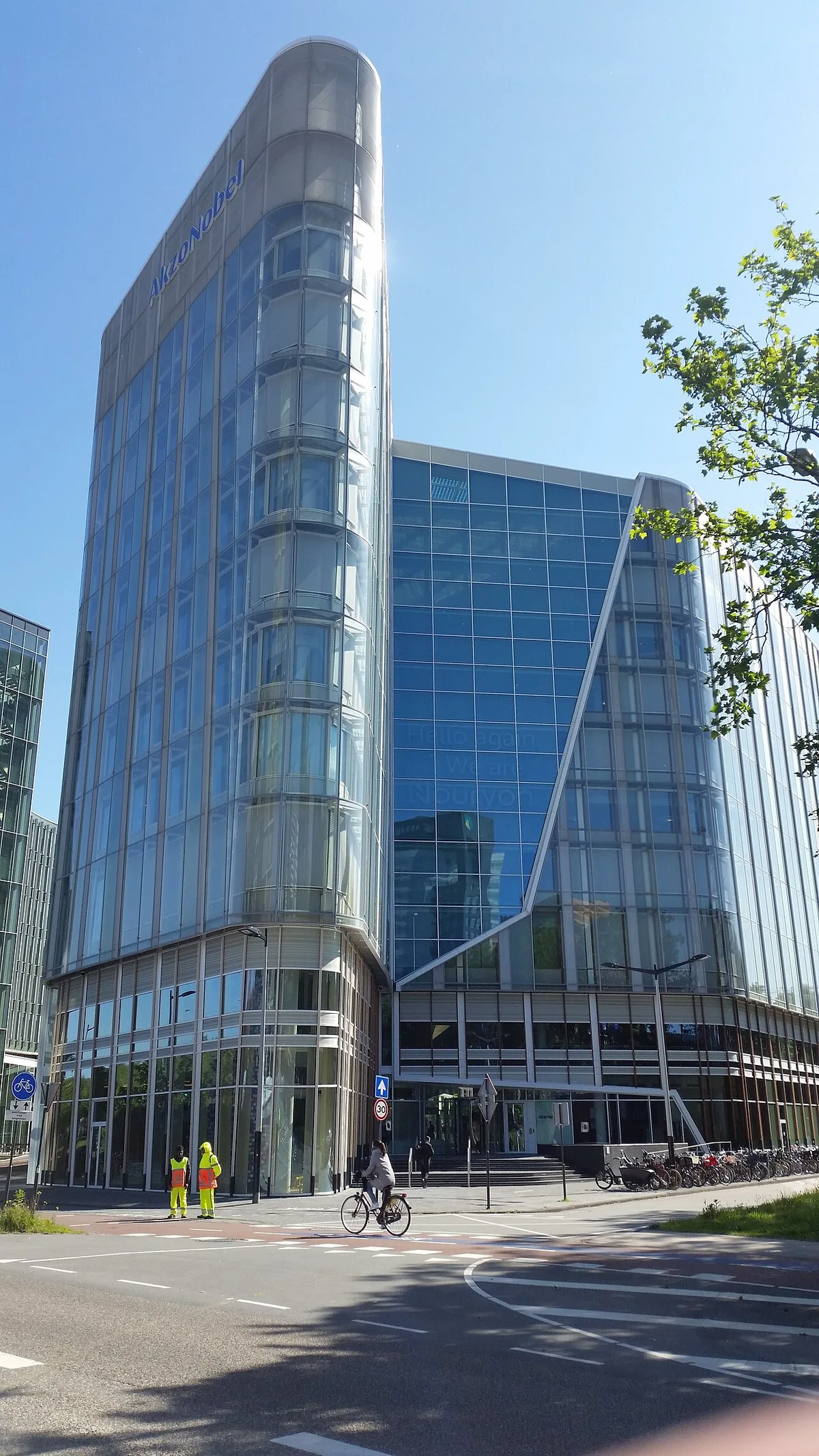
Greg Poux-Guillaume announced the binding agreements as AkzoNobel moved to sell its Decorative Paints business in Southeast Asia to Nippon Paint. The Financial Times had reported a day earlier that the company was close to a deal. The official statement confirmed it.
He cast the sale as the end of a review already under way across the company’s Asian decorative paints holdings, part of a previously announced portfolio rebalancing towards leadership positions. “The successful completion of our Asia portfolio review is part of an ongoing strategy to focus our portfolio on areas where we can achieve differentiating scale and strengthen our position,” the AkzoNobel chief executive said.
Nippon Paint signed as the buyer. In the months before these papers went binding, the Japanese paints company had come for AkzoNobel more than once—reaching first for the entire company, then for the whole of its decorative paints division. Neither approach produced an agreement. The deal that cleared covered only Southeast Asia, a regional decorative paints business cut away from the larger targets Nippon Paint had already been refused.
The first serious run had come in June. Nippon Paint joined with Sherwin-Williams, the American paints company, in a joint pursuit of the entire AkzoNobel corporation. The bid stood at €12.5 billion. It was withdrawn and rejected. AkzoNobel stayed whole.
July brought the second attempt, this time from Nippon Paint alone. The Japanese company proposed to buy AkzoNobel’s entire decorative paints division and placed a value of about €7.5 billion, or $8.44 billion, on that unit. AkzoNobel turned the offer down. In November 2025 the Dutch company had already announced a merger agreement with Axalta Coating Systems, the U.S. coatings maker, and it would not accept the July proposal as an alternative to that planned combination. Multiple approaches for the full decorative paints business had now been refused.
What remained after the refusals was a narrower opening. The path still open ran through decorative paints operations limited to Southeast Asia—the regional slice AkzoNobel was prepared to cut free while it kept its focus on closing the Axalta deal.

The binding agreements fixed the enterprise value at approximately $1.35 billion (€1.20 billion). That sum covered AkzoNobel’s Decorative Paints operations in seven countries: Vietnam, Indonesia, Malaysia, Thailand, Singapore, Papua New Guinea and Australia.
AkzoNobel valued the carve-out at 21 times FY25 EBITDA. Nippon Paint put the identical transaction at about 16 times projected 2026 EBITDA. After taxes and payments to minority partners, the Dutch company expected net cash proceeds of approximately $1 billion (€0.9 billion).
The Southeast Asia businesses generated $291 million in revenue in 2025. EBITDA stood at $65 million. Both figures were down from a year earlier, according to a presentation by Nippon Paint. Those numbers fixed the size of the decorative paints units now leaving under the agreements.
The sale completed AkzoNobel’s Decorative Paints portfolio review in Asia. The company had already divested the same line of business in India for $1.6 billion and in Pakistan for 50 million euros. With the Southeast Asia contracts signed, that review was finished. AkzoNobel retained full ownership of its Coatings activities and of the Global Business Services organization. Coatings stayed inside the Dutch company. The shared services organization stayed. Only the regional decorative paints operations were on their way out.
What left were businesses built around brands and products that would now belong to a different owner.
Greg Poux-Guillaume spoke next of the people who had built the brands now leaving. “We're grateful to all our colleagues in Asia for helping us establish a series of excellent Decorative Paints businesses with strong brands and products. We trust that Nippon Paint, in combination with their own businesses in those countries, will build on that momentum.”

Nippon Paint took the units for the scale they could add. The company aimed to absorb the brands, manufacturing, sales and supply-chain strength of the businesses crossing over and fold them into operations it already ran in the same markets.
Wee Siew Kim, Director, Representative Executive Officer and Co-President at Nippon Paint, welcomed the teams that would arrive with them. “We are excited to welcome these businesses and talented teams to our Group, with our shared ambition to create lasting value for our customers and partners. We look forward to building on the strong foundations established by AkzoNobel, while continuing to deliver the quality, experience and local expertise that customers have come to value.”
The agreements were binding. The closings still had to be arranged.
The closings would not arrive together. The sale of the Indonesia business was expected to complete separately in late 2026. The remaining transactions were expected to close around mid-2027. Both sets of transfers remained subject to customary closing conditions, including the regulatory approvals still required before ownership could change hands.
Nippon Paint financed the acquisition without issuing new equity. Bank borrowings and cash would cover the full cost of the purchase. With the binding agreements signed, AkzoNobel turned its full focus to the successful closing of its merger with Axalta Coating Systems, the combination with the U.S. coatings maker announced in November 2025.
In early morning trading in Tokyo following the announcement, Nippon Paint shares rose as much as 1.7 percent.