



Bolivia readies forces amid unrest warnings, testing Trump security initiative
By Andrew Powell (/journals/andrew-powell)
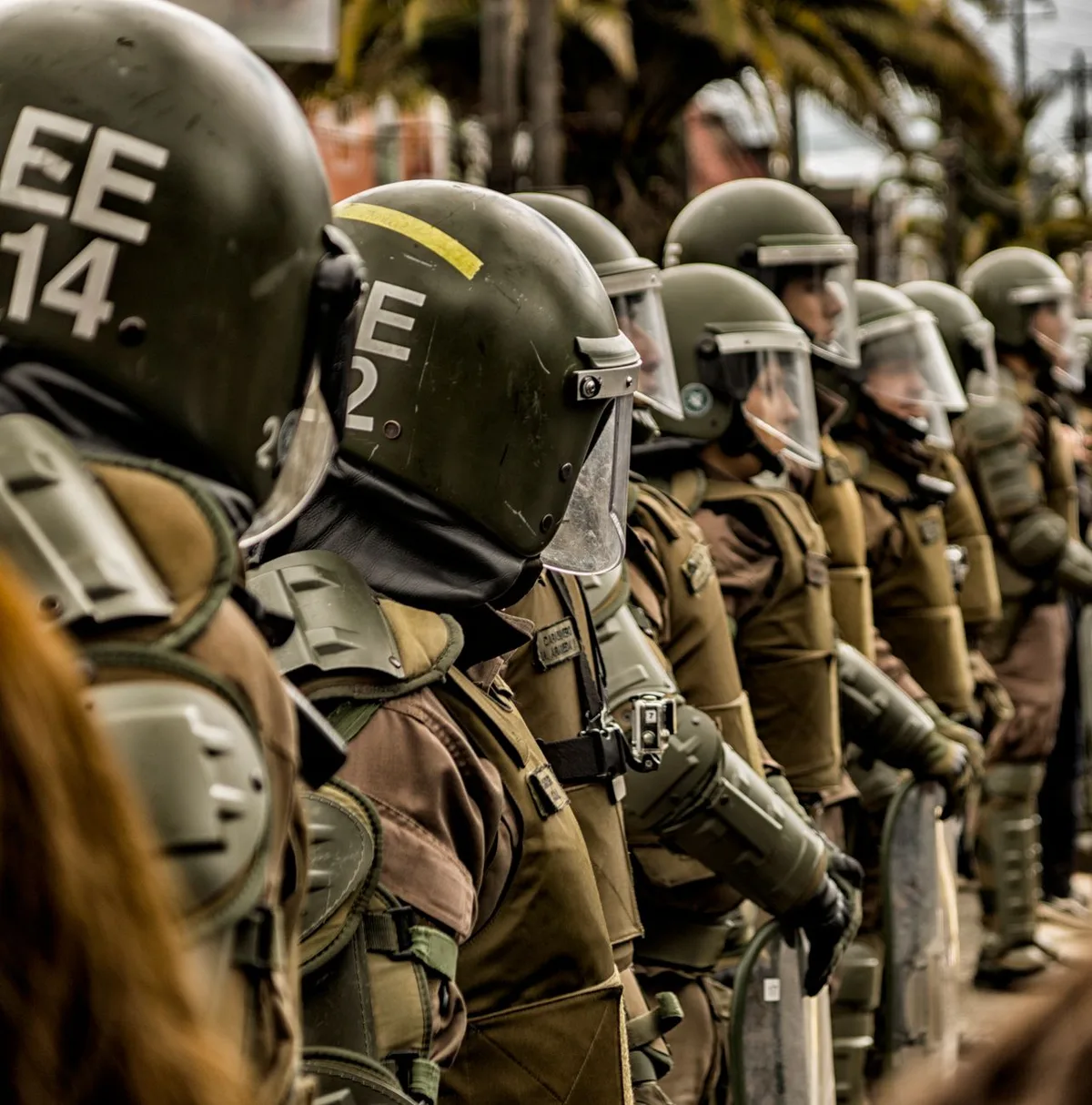
Bolivia is deploying police and military forces to strategic areas as the government prepares for possible renewed unrest, putting President Donald Trump’s Shield of the Americas initiative among its first major tests. Bolivian Defense Minister Ernesto Justiniano told Fox News that the situation could show whether the regional security initiative can translate its stated goals into concrete cooperation. He stressed, however, that Bolivia has not determined that an active coup attempt is underway. “I am not saying today that we have proven evidence of a specific operation currently underway to overthrow the President,” Justiniano said. He said authorities instead have “very serious precedents and warning signs” that justify taking preventive steps. Trump launched Shield of the Americas at a March summit in Florida as a framework for economic and security cooperation among governments in the Western Hemisphere, including efforts targeting transnational crime. The White House hosted participating leaders at an event on Sept. 22. The developments in Bolivia follow more than 50 days of road blockades earlier this year that disrupted supplies of food, fuel and medicine while adding pressure to the country’s struggling economy. Bolivia’s Assembly approved a 90-day extension of the national state of emergency on Sept. 17 because of concerns about additional blockades. Justiniano said security forces have been positioned along strategic routes, near access points to major cities and around sites considered important to transportation, supply lines and critical infrastructure. He declined to identify specific locations or disclose troop numbers, saying deployments would change depending on the perceived level of risk. The defense minister also emphasized that the government does not intend to treat peaceful demonstrations as a threat. He said Bolivians have the right to protest and challenge government policies, while arguing that violence, indefinite blockades and efforts to disrupt the constitutional order require a different response. The United States has publicly backed President Rodrigo Paz’s government. A State Department spokesperson described Washington’s relationship with Bolivia as a close partnership focused on economic growth and security challenges involving corruption and transnational crime. Washington also recently imposed visa restrictions on 27 officials, former officials and relatives from Bolivia, Colombia, Ecuador and Peru, according to The Associated Press. Bolivian Prosecutor General Roger Mariaca was among those targeted, with the State Department accusing him of corruption and facilitating narcotrafficking; Mariaca has rejected those allegations. Justiniano said Bolivia has requested information supporting the U.S. allegations but cautioned against assuming everyone affected by the visa restrictions is connected to the current unrest. The defense minister said Bolivia wants to expand cooperation with Washington in areas including information sharing, financial intelligence, counter-narcotics, organized crime, border security, extraditions and training. “We are preparing for a risk, not declaring that a coup is underway,” Justiniano said.