


Chinese Carmakers Reach 10% of Argentina Market
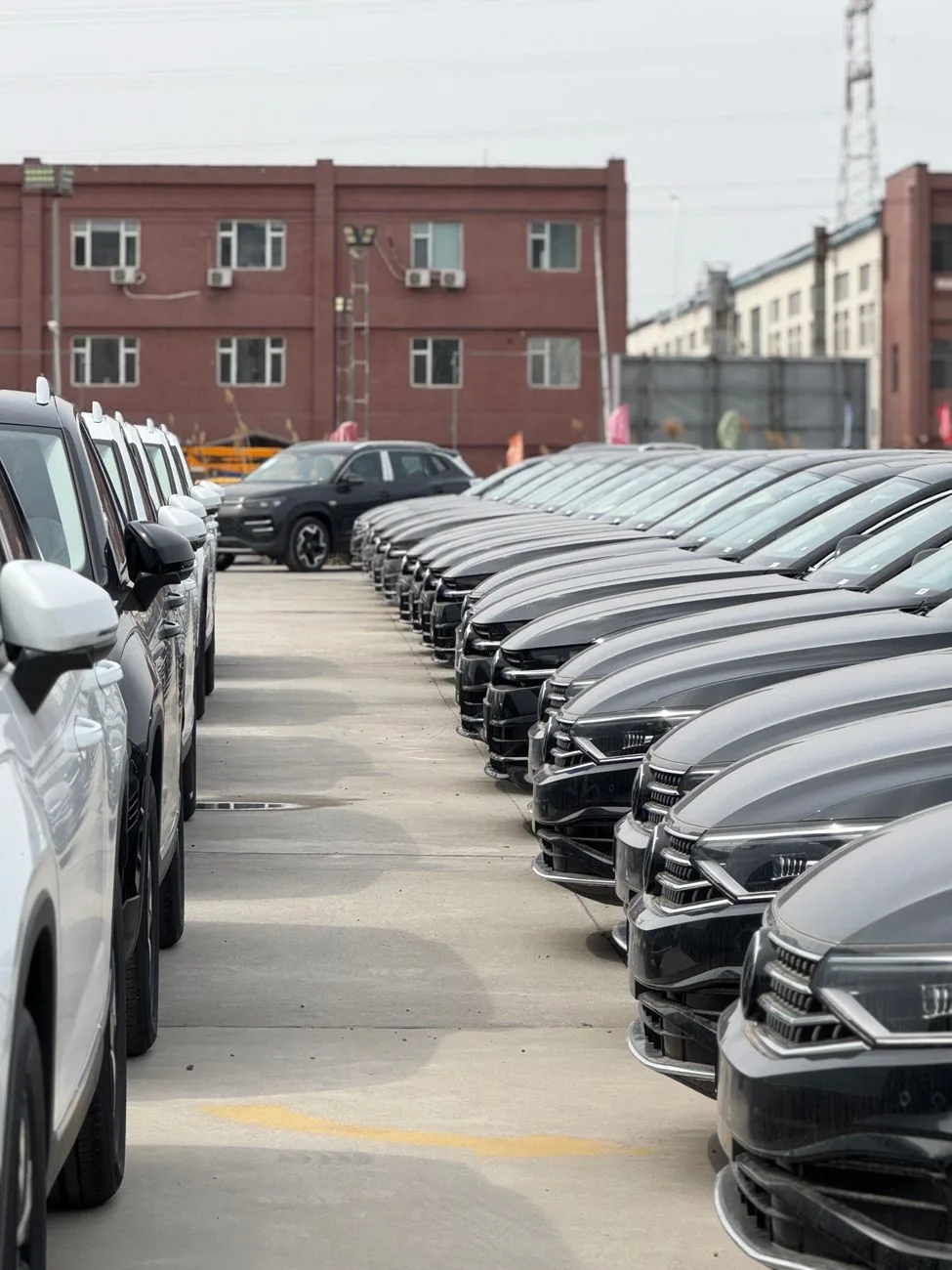
German Molina already owned one Chinese car and was shopping for a second. The 3D designer looked around the stands in Buenos Aires. “If you go out onto the main avenues or neighborhoods, you see a large number of Chinese cars, and it’s not just one brand, but many different ones,” Molina said.
Expo Auto Chino opened October 2, 2026, at BA Ferial on Costa Salguero. It was Buenos Aires’s first Chinese auto show and the first full-scale new-vehicle salon the city had staged since 2017. More than twenty Chinese brands filled the floor. One count reached twenty-six. Geely, Chery, GWM, Dongfeng, Changan, MG, and Jetour stood among the nameplates gathered under one roof.

BYD did not attend. The volume leader among Chinese brands already selling in Argentina left the hall without a stand. What remained was the rest of the field, concentrated in a single place for the first time. “I believe it’s only a matter of time before people start embracing them a bit more,” Molina said.
Chinese brands took 10 percent of Argentina’s car and light commercial vehicle sales in August 2026. Late the year before, the same share had stood at roughly 2 percent.
The number tracked a gate that had opened. Decree 49/2025 set a five-year quota allowing up to 50,000 electric and hybrid vehicles into the country in 2026 at a 0 percent tariff. A tariff is the tax charged when a vehicle crosses the border; at zero, those models entered without the old duty. The same broader dismantling of barriers that once shielded the local industry left the channel clear. Chinese manufacturers moved through it. Electrified imports could land inside the quota ceiling. One car or light commercial vehicle in ten sold in Argentina that August carried a Chinese badge.

BYD entered Argentina in late 2025. By September 2026 the brand held roughly 1,584 registrations, about 3.4 percent of the market, and sat ninth among the country’s best-selling nameplates. A year earlier the same month had brought eighteen units.
The Chinese EV maker already led electric-vehicle sales in Brazil, Colombia, Ecuador, and Uruguay. Elsewhere in the region the response hardened. Brazil and Mexico imposed tariffs meant to slow the influx and protect domestic manufacturing jobs. Milei took the opposite line. In an interview with Bloomberg at the Economic Club of New York last month he dismissed concern over BYD’s rise and any suggestion that closer commercial ties with Chinese companies might friction with the United States. “What Argentines buy is the problem of Argentines,” he said.
Sebastian Beato, president of the dealers’ association ACARA, called the Chinese expansion impressive and said the pressure was already forcing new models into showrooms. Renault unveiled the Niagara pickup in September 2026. The government announced that Toyota would invest $1.34 billion in an electric-vehicle plant in Argentina. Beato’s warning was plain. If the industry does not transform, he said, it is going to have obsolete cars.

Andres Civetta, an economist at consultancy Abeceb, said the sector should concentrate on pickup trucks. Argentina was already a strong exporter there, and Chinese competition remained limited. The country is the world’s fourth-largest producer of pickups; the Toyota Hilux, Ford Ranger, Nissan Frontier, and Volkswagen Amarok leave its lines for the region. Fernando Rodríguez Canedo, executive director of the factories’ association, pressed for lower export duties and for the provinces to cut local taxes. “That would give us the possibility to compete,” he said.
Car sales in Argentina are down 13 percent so far in 2026 from the same period in 2025. The decline followed the boom of the previous year, when the easing of trade barriers had lifted demand across the market. Industry analysts describe the drop as a market adjustment after that post-liberalization surge. High interest rates have chilled loans at the same time. The cost of borrowing has left car loans less attractive to ordinary buyers, and overall registrations have cooled.
Tesla has already begun to leave marks of its own. The company began operations in Uruguay in July 2026. In April 2026, the registration of Tesla Argentina appeared in the official gazette. In June of the same year, state energy company YPF signed a letter of intent with Tesla to explore energy-storage opportunities. What sits on the record now is the April registration in the official gazette and the June letter in YPF’s file. Those two documents mark the next badge at the border.