Consumers Sue Starbucks Over Sugar-Free Protein Drinks
She bought a Sugar-Free Vanilla Protein Latte believing it contained no sugar. The California plaintiff finished the purchase without seeing sugar-content information, according to the complaint.
On Oct. 2, 2026, that order entered the federal record. Three consumers from California, New York and Washington filed a class-action complaint in the U.S. District Court for the Western District of Washington, naming Starbucks over protein drinks sold under sugar-free labels. The papers came from Hagens Berman Sobol Shapiro LLP, a firm that specializes in class-action cases, with co-counsel Sterlington PLLC. Steve Berman, the firm’s co-founder and managing partner, put the case forward. “This is a case about false and misleading product names,” the lawsuit states. A class action allows a few named buyers to sue on behalf of a larger group who purchased the same product under the same conditions. The complaint put those three orders forward for every customer who had ordered the same way.
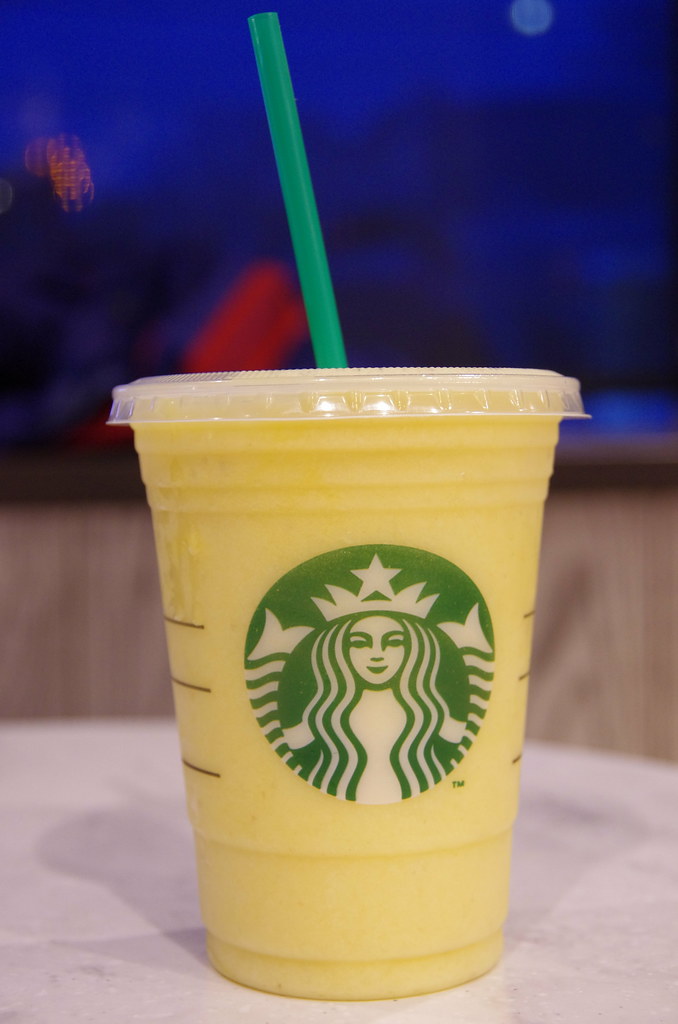
Eight drinks stood at the center. The Sugar-Free Vanilla Protein Latte, the Sugar-Free Caramel Protein Latte, the Sugar-Free Vanilla Protein Matcha and the Sugar-Free Caramel Protein Matcha, along with the iced version of each. Every one carried “Sugar-Free” in the name customers saw when they ordered. Those were the menu objects the class wanted repaid and relabeled.
“No reasonable consumer would understand a beverage named ‘Sugar-Free’ to contain 13 to 21 grams of sugar per serving,” according to the lawsuit. The drinks contain 13 to 21 grams of sugar per venti serving, the complaint says. A venti is a 20- or 24-ounce cup. The listing for a 16-ounce Sugar-Free Caramel Protein Matcha showed 16 grams of sugar. The listing for a 20-ounce version showed 21 grams. The high end of that range is nearly the full daily amount the American Heart Association recommends for women, 25 grams.
Federal law bars the sugar-free label on beverages with more than 0.5 grams of sugars per 12-ounce reference amount customarily consumed. That reference amount is the serving size federal rules use when they test a nutrient claim. “…federal law prohibits their use on a beverage containing more than 0.5 grams of sugars per reference amount customarily consumed, and that state consumer protection law forbids selling these products under their false and misleading names,” the lawsuit states.
“Twenty-one grams is hardly ‘sugar-free,’” said Steve Berman. “Beverages with this much sugar are like drinking a candy bar,” Berman added. A standard package of Reese’s Peanut Butter Cups contains 22 grams of total sugar. One cup has 11 grams.

Starbucks introduced the protein beverages in September 2025 as part of its “Back to Starbucks” menu update. The company says the sugar comes from lactose in its protein-boosted milk, not from added sugar or syrup. Lactose is the sugar that occurs naturally in milk. The flavored syrups are sugar-free. On the Starbucks website the same drinks that open with “Sugar-Free” are also described as made without added sugar. Venti servings contain 270 to 340 calories.
The gap between those two phrases is what the lawsuit claims. Sugar-free names the finished drink. No sugar added describes only what went into the cup. The protein-boosted milk still brought lactose, and that sugar registers in the totals federal rules measure even when no syrup adds a gram.
“Consumers avoid sugar for various reasons whether that be general health, diabetes and blood glucose levels or other factors, and for many, a staunch mislabeling like this is significant,” Berman said.

Starbucks rejected the suit. The response came in a statement to reporters on Monday. “We believe these claims have no merit,” a Starbucks spokesperson said. “Starbucks has consistently and clearly provided information about its protein beverages, sugar-free options, customization choices and nutritional content across product announcements, menus, marketing materials, Starbucks.com and the Starbucks app, and we intend to vigorously defend ourselves in this matter.”
The proposed class of consumers seeks repayment for those who purchased the affected products without accurate information. The class also seeks court-mandated relief correcting the labels on the drinks. Both requests rest on state consumer-protection claims. The complaint asks the court to stop Starbucks from using the sugar-free label on products that contain sugar. It asks the court to return the money customers paid when they ordered the drinks under that name. The proposed class would cover U.S. consumers who bought any of the eight drinks.
So do the sugar totals beside them. A 16-ounce Sugar-Free Caramel Protein Matcha lists 16 grams of sugar. A 20-ounce version lists 21 grams. The 20-ounce listing puts 21 grams of sugar under a Sugar-Free name.