



Clerk and son charged over kratom products after two Ole Miss deaths
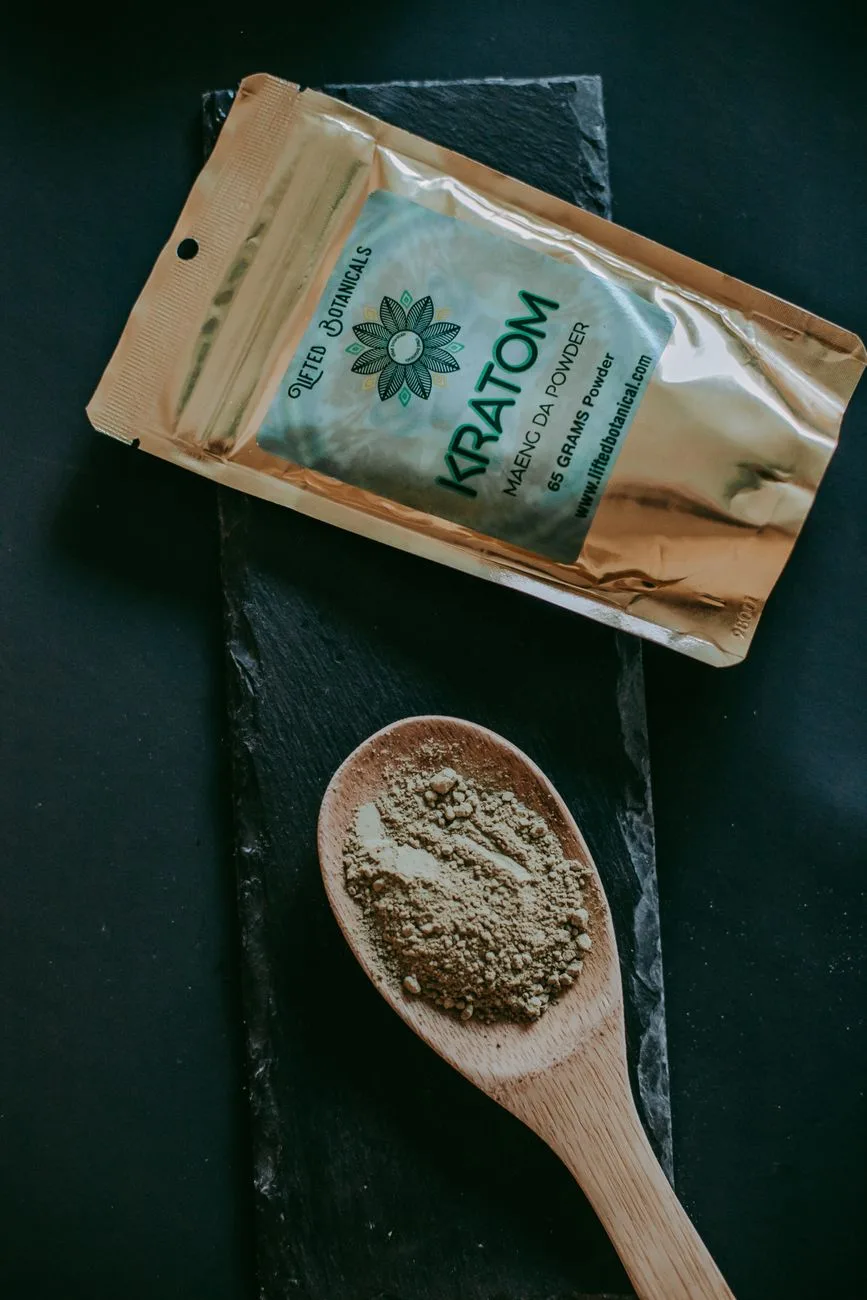
On September 24, inside Puffs Vape, Tobacco and Beer in Oxford, an informant bought kratom-based pills from the clerk, Yahya Mohamed Mosleh, 51. His son, Islam Yahya Mosleh, 18, was working behind the same counter. When other customers came through the door, Mosleh told the buyer to stay quiet and pushed the pills out of sight. Once the store cleared, he finished the sale.
DEA Special Agent Michael Dassance set the exchange down in an affidavit dated the next day, September 25. In that account, Mosleh gave the informant a plain warning: “be careful taking the pills because people were dying from them.”
Three days earlier, two Ole Miss students had already been found dead.

Aidan Hamilton, 18, an Ole Miss freshman from Englewood, Colorado, was found dead on campus on September 21. Investigators recovered opened packages labeled Smax in his room; some of the tablets were already missing. About an hour later, Robert Strang, 20, a junior from Atlanta, was found dead off campus. A package of Smax was found in Strang’s room as well.
The U.S. Attorney’s office described the finds as “packages, some with missing tablets, of suspected kratom derivatives.” The office stated, “The cause of death appeared to be consistent with a drug overdose.”
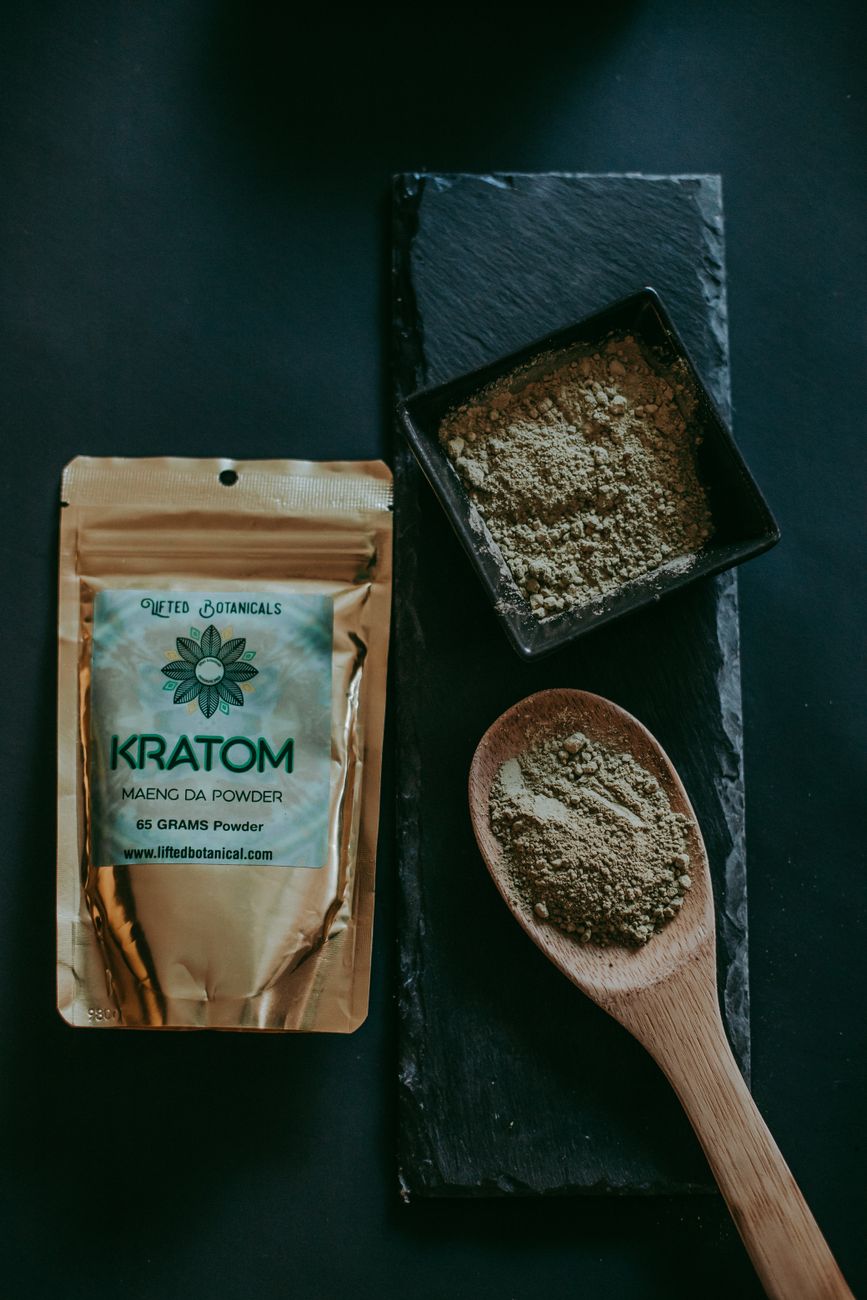
Kratom comes from the leaves of a tropical evergreen tree native to Southeast Asia. The tree, Mitragyna speciosa, has been used in herbal medicine across the region since at least the nineteenth century, its dark green leaves chewed or brewed as tea for pain and fatigue. At low doses the substance acts as a stimulant. At high doses it acts as a sedative. It remains legal at the federal level. Eleven states have banned it. Mississippi regulates sales by requiring buyers to be 21 or older. The city of Oxford has banned kratom since 2019.
Proponents cast pure ground-leaf kratom as a natural aid for pain, anxiety, depression, and the easing of opioid withdrawal. They locate the danger in kratom derivatives, which are often synthetic and can be highly potent. That gap is what can turn a counter sale into a federal controlled-substance case.

Bank records showed that Aidan Hamilton had made multiple purchases in September from the vape, tobacco and beer store in Oxford, according to a federal court filing. Robert Strang’s financial records led in a different direction. Investigators traced them to Express Mart #7, a gas-station convenience store in Yalobusha County. The affidavit stated that Strang had been buying from that different store.
On September 24, the same day the informant bought the pills inside Puffs Vape, Tobacco and Beer, a search warrant was executed at the store. Officers seized more than 500 units of kratom. They also seized THC cartridges and gummies.
In August the Drug Enforcement Administration banned three kratom-related compounds. One of those banned compounds was listed as an ingredient in products seized from the Oxford store and from Hamilton’s room, DEA Special Agent Michael Dassance wrote in his September 25 affidavit.
Strang’s trail still ran through Express Mart #7. As of Friday, no one from that store had been charged.
U.S. Attorney Scott F. Leary for the Northern District of Mississippi announced the charges on Friday. A criminal complaint names Yahya Mohamed Mosleh and Islam Yahya Mosleh. Each faces one count of possession with intent to distribute a controlled substance. The count is identical for both. Authorities arrested the two men.
They appeared Thursday before a magistrate judge. The judge found sufficient evidence to proceed. Scott Davis, attorney for Yahya Mosleh, declined comment. A.E. Harlow Jr., attorney for Islam Mosleh, declined comment. Both replies came by email.
Mississippi Gov. Tate Reeves said two state agencies were working to expedite toxicology reports for the students. The governor issued the statement last week. Their reports would show what substances were present when the students died. That information had not been released. The toxicology work was still under way.
Lafayette County Metro Narcotics said Thursday that the investigation remained active and that additional charges were possible. Investigators with the unit said they were still waiting on official autopsy and toxicology findings from the Mississippi State Medical Examiner’s Office to determine how the two students died. It is still not clear whether the substances contributed to either death.