


Hungary’s paprika acreage falls amid drought, imports
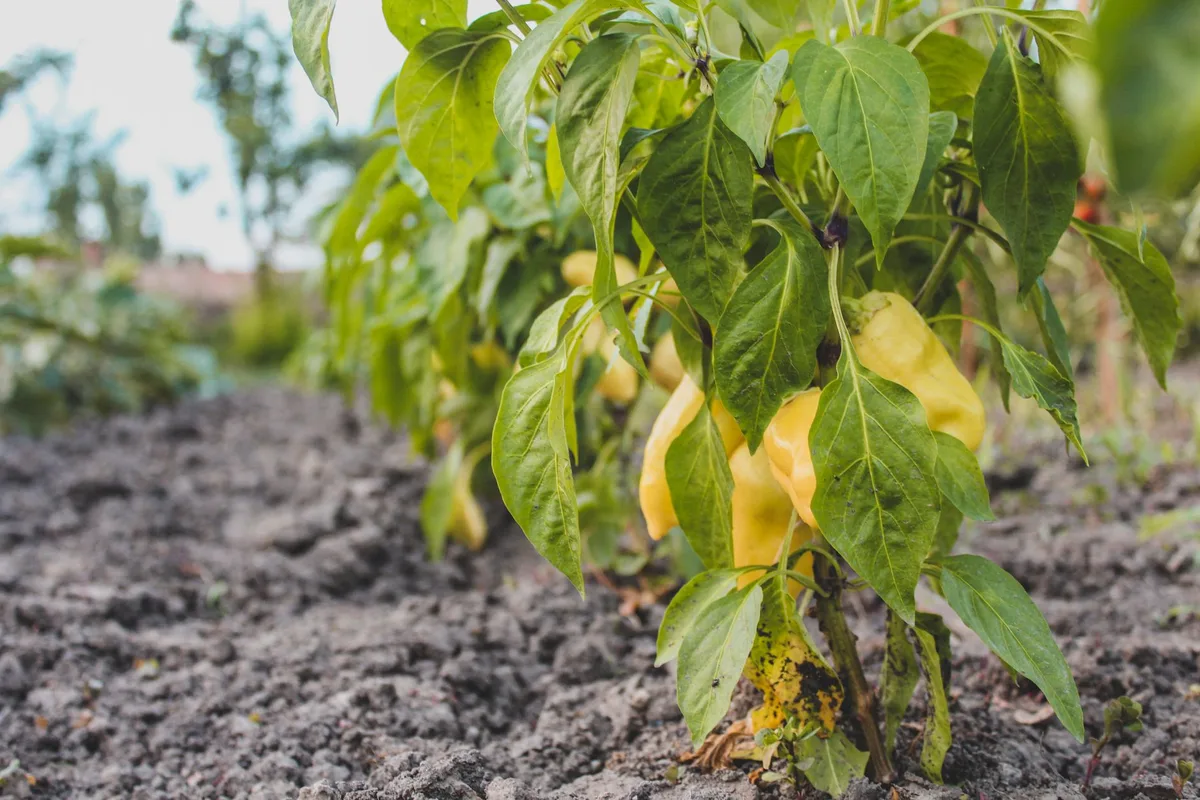
Hungary's paprika area fell from 13,029 hectares in 1979 to 1,410 hectares in 2024, per official statistics. In the driest summer since 1901 and second-hottest on record, Nikoletta Pajsan Nagy, 44, and Laszlo Pajsan worked from before dawn until midnight on two-and-a-half hectares, loosening soil after power lines blocked irrigation. At Kalocsa's fair she said she was absolutely convinced the crop would burn out, yet it turned out bigger and more beautiful than in previous years—a miracle. Robert Braj of BWA Kft cited longer droughts, extreme heatwaves, new pests and diseases, and cheap imports from China and parts of South America. Agnes Toth, 44, said family land fell from six hectares to about three for lack of seasonal workers; a family could not make a living from it anymore, as she teaches and her brother is a firefighter. At the fair Imre Zseni stirred beef stew and called paprika a wonder; booths held strings of dried red peppers. Peppers arrived from the Americas in the 16th century; Kalocsa and Szeged hold EU protected designation of origin status. Imre Romsics linked paprika to costume, folk art and other traditions. Braj said younger people prefer food that is faster and easier to prepare. No factual disputes appear across the rated outlets.