



Micron Settles Netlist Patent Dispute for $600 Million
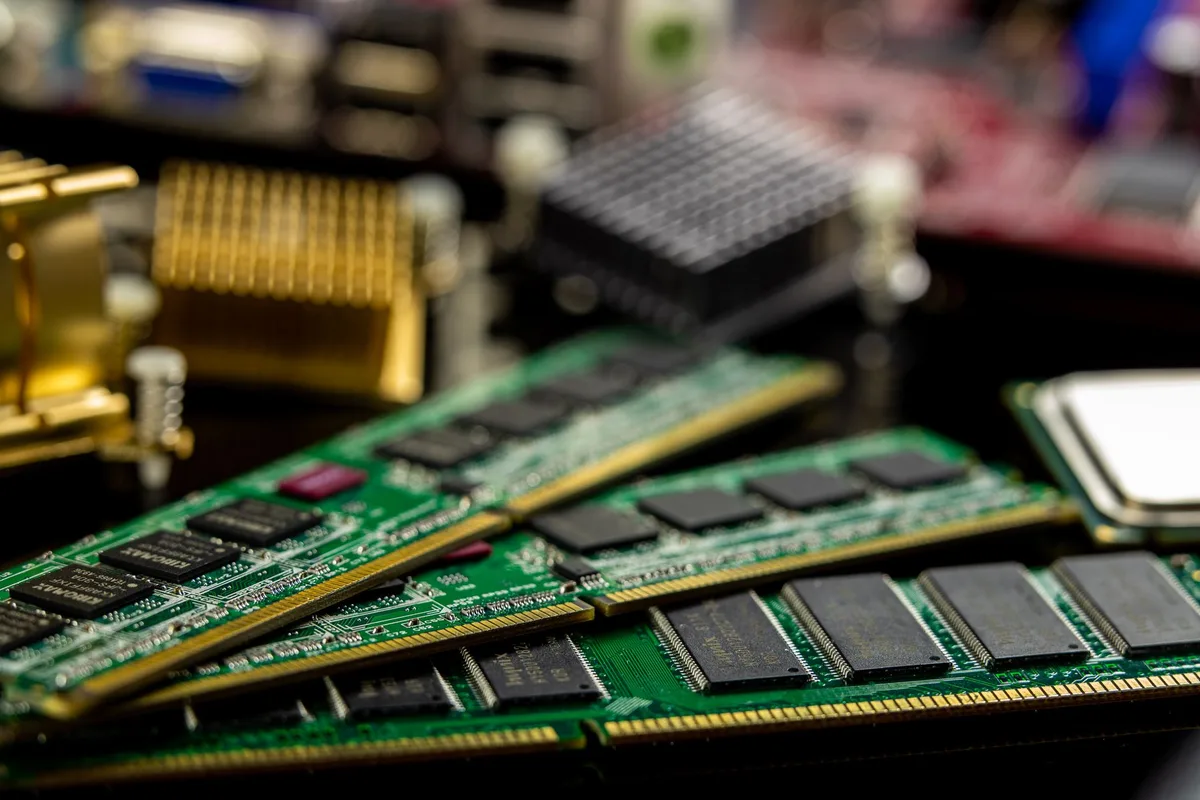
Netlist shares broke above $6.70 in early trading on October 6, 2026, as chief executive C.K. Hong’s company put out word of a settlement and license agreement with Micron Technology. By afternoon the stock was still running hard, up 13 to 18 percent across reports and changing hands around $6.39 to $6.46.
The announcement itself was spare on the tape: Netlist and Micron had closed a deal the day before, ending pending legal fights and opening a path for Micron to use Netlist patents. Traders priced the news before the full arithmetic of the contract had settled into view. A smaller memory-technology firm had just locked arms with one of the Big Three chipmakers, and the market was marking the moment in real time.
What had driven the two companies to that table was not yet the story on the screen.
A federal jury in Marshall, Texas, awarded Netlist $445 million in 2024. The patent-infringement verdict ran against Micron over memory-module technology for high-performance computing. Micron, the only major American computer-memory maker and one of the industry’s three dominant suppliers, contested the award through appeals.
Netlist had spent years enforcing patents it held on advanced server memory and the architectures inside data centers. For the smaller firm, courtroom pressure was the lever. Its portfolio reached into chips that filled AI accelerators and high-performance systems, and each judgment forced larger manufacturers to weigh the cost of continued resistance.

In September 2026 Netlist filed a fresh complaint at the U.S. International Trade Commission. The filing sought to block imports of Micron chips used in Google, Nvidia, and Broadcom products for AI computing. That complaint, and the Texas verdict still under appeal, remained unresolved as October opened.
On October 5, 2026, Micron and Netlist signed the Patent License and Settlement Agreement and the Securities Purchase Agreement. The companies settled and mutually released all pending legal proceedings between them.
The total was $600 million.
Micron would pay Netlist $30 million every quarter for a five-year license term running from the fourth quarter of 2026 through the third quarter of 2031. Twenty calendar quarters. The schedule locked in the full sum as a fixed stream of licensing payments and closed the cases that had stood open between the two firms.
“The agreement with Micron further validates the value of our AI memory technologies,” said C.K. Hong, Netlist’s chief executive. The same papers set out exactly which memory technologies the license reached and how far Micron’s rights extended.
The license covered patents on server DIMMs and High Bandwidth Memory. High Bandwidth Memory is a 3D-stacked SDRAM interface that supplies AI accelerators, GPUs, and data-center systems with far higher bandwidth than conventional modules while occupying a smaller physical footprint. Server DIMMs are the dual in-line memory modules that populate those same machines. Micron, one of the Big Three memory manufacturers alongside Samsung and SK Hynix and a major supplier of HBM, gained defined access to the portfolio for the AI-memory products it ships into that market.
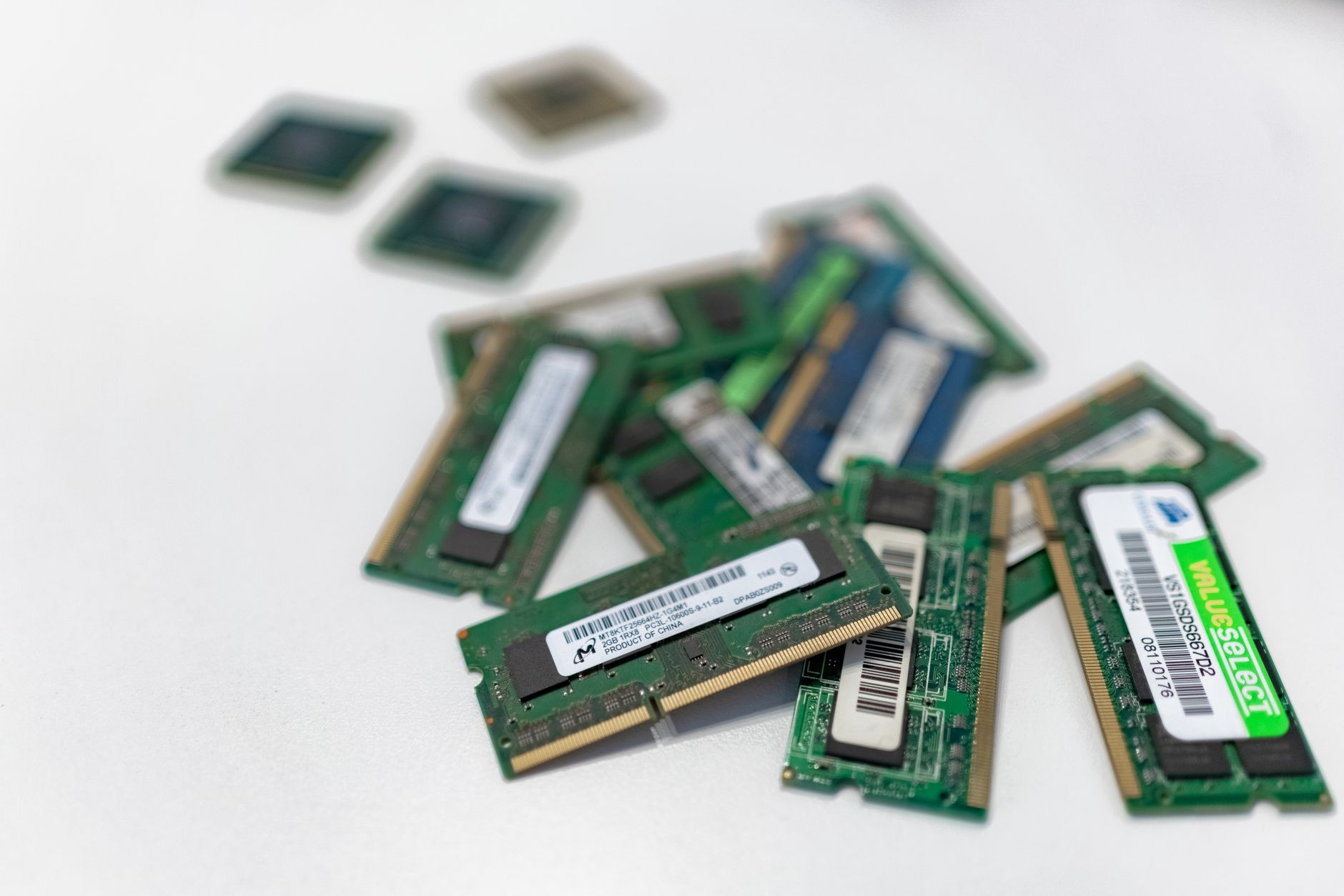
The grant ran worldwide. It was non-exclusive, non-transferable, and non-sublicensable. Micron could practice the patents inside its own lines without sole claim or any right to hand the rights to another party. Netlist converted years of contested intellectual property into a settled commercial channel with one of the industry’s dominant chipmakers, trading open litigation for fixed access rather than continued courtroom risk.
That package of terms still carried one further commercial link between the two companies.
Under a separate Securities Purchase Agreement signed the same day, Micron agreed to buy 10 million shares of Netlist common stock for an aggregate cash price of $1 million. Closing was expected on or before October 6, 2026. The sale was unregistered, completed in reliance on Section 4(a)(2) of the Securities Act. Transfer restrictions held the stake in place: 20 percent of the shares would be released on each of the first four anniversaries of issuance, with the remaining block freed only on the fifth.
The equity purchase tethered the two companies beyond the license itself. Micron gained a defined position in the smaller firm while the staged lock-up limited how quickly those shares could move. Netlist, in turn, added a direct commercial link to one of the industry’s dominant memory suppliers without reopening the cases just closed.
“We remain committed to protecting our IP while continuing to invest in the development of next-generation products,” Hong said.
The first $30 million quarterly payment is due in the fourth quarter of 2026. The schedule runs through the third quarter of 2031.