



PIMCO Sees Value in 24-Year-High Treasury Yields

"When you have seen this run up in yields, this is screaming good value to us."
Rupert Harrison put the line on the table Tuesday at a TS Lombard panel in London. He is a senior adviser for portfolio management at PIMCO. Ten- and thirty-year Treasuries had just printed fresh multi-decade highs, and he was not describing the climb as damage.
The 10-year U.S. Treasury yield reached its highest level since 2002. A Treasury note of that maturity pays a fixed coupon twice a year and trades as the market’s main gauge of longer-term borrowing costs; when its yield rises, its price falls. Harrison said PIMCO already held duration—positions in bonds whose value swings with interest rates. He noted that bond markets held value in a selloff in technology stocks and in any future slowdown in the U.S. economy. "When you see a rise in yields like this, for us it shows very attractive value," he said.
The claim landed against a simple fact of the week. Yields that high usually read as stress. Harrison was calling the same numbers an opening.

September was the weakest month for U.S. Treasuries since October 2024. A Bloomberg measure of that market fell roughly 2.2 percent. Prices and yields move in opposite directions, so a drop that steep lifted the income on offer even as it cut the value of bonds already held.
By October 5 the average yield on the Bloomberg Global Aggregate Treasuries index sat at its highest level since September 2000. That benchmark tracks government debt across major markets; an average that high meant investors were demanding more income to hold sovereign paper than they had in a quarter century. Federal debt had already passed $40 trillion. Sticky inflation worries and the heavy issuance required to fund a balance sheet of that size had pushed borrowing costs higher for weeks, and the pressure concentrated at the long end—the notes and bonds with the farthest maturities, whose prices swing hardest when rates move.
Treasury securities are the instruments the U.S. government auctions to cover spending beyond tax revenue. Backed by the full faith and credit of the United States, they rank among the world’s lowest-risk assets and set the reference rate for borrowing across the wider economy. Yields this elevated rewrite the math for every refinancing and every cash pile looking for income. The climb left the market at levels that forced the largest fixed-income managers to decide, in public, whether the pain had become the opportunity.
On Tuesday, PIMCO unveiled its six- to twelve-month cyclical outlook. The firm oversees about $2.33 trillion. Economist Tiffany Wilding and Andrew Balls, chief investment officer for global fixed income, wrote: "Attractive starting yields - and the income they can offer - provide a meaningful mitigant against inflationary tail risks while preserving the potential for bonds to hedge a fading AI capex impulse or a shock to growth."
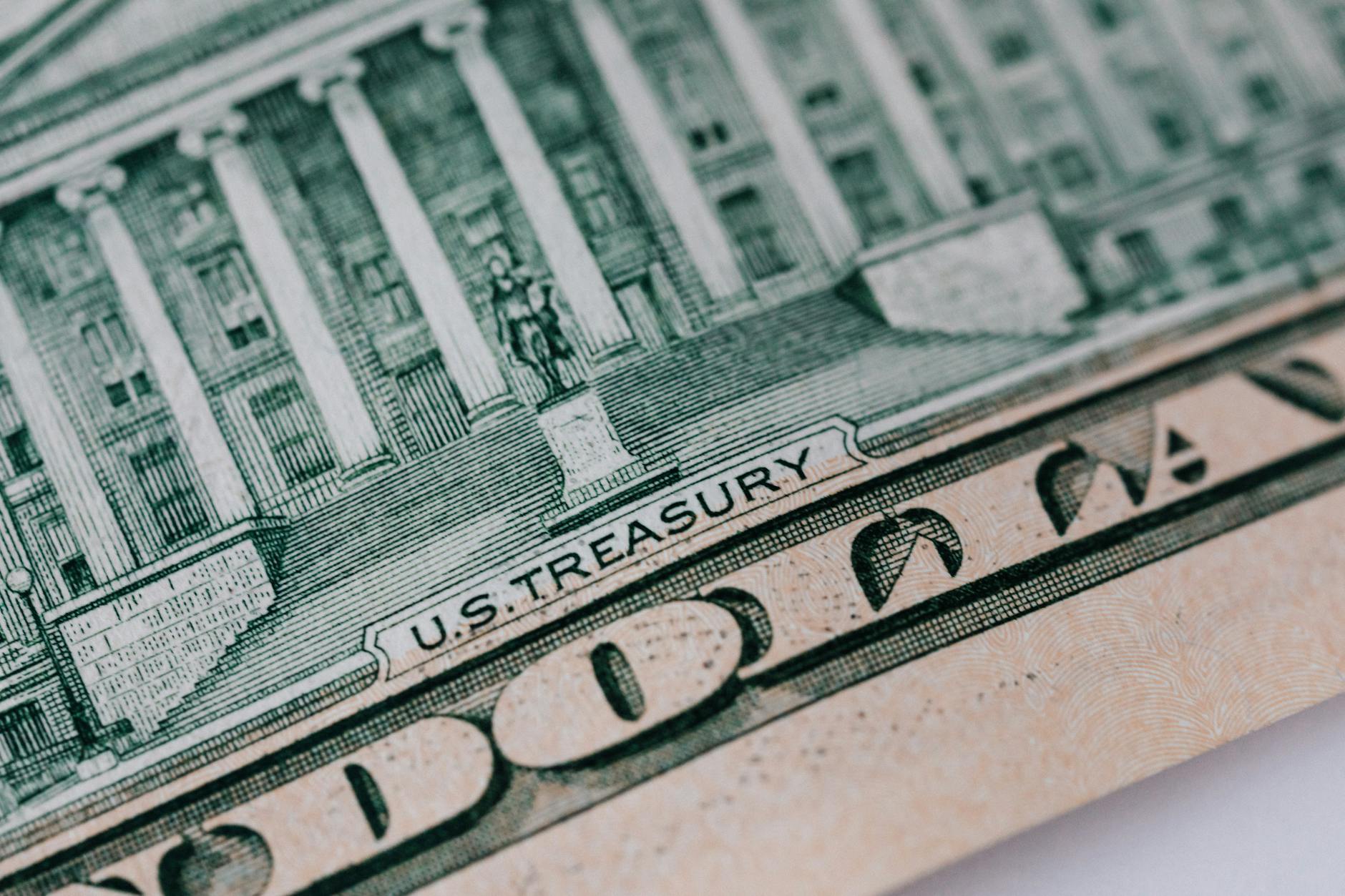
The 30-year Treasury yield stood around 5.65 percent to 5.663 percent. It was the highest in about 24 years. A Treasury bond matures in twenty or thirty years and pays a fixed coupon every six months; that length makes its price swing hard when rates move. Yields near 5.65 percent meant an income stream large enough to blunt inflationary surprises at the extremes, while still leaving bonds able to rise in price if the capital-spending impulse around artificial intelligence faded or if growth took a shock. The outlook treated those starting levels as both the buffer and the hedge—the long-end climb as the reason to own the paper.
On August 21, PIMCO research already had the 30-year near roughly 5.3 percent. Higher yields, the firm argued then, were opening room through income, carry—the return earned simply by holding a bond as time passes—and the potential from a steeper curve.
Last month, chief investment officer Dan Ivascyn said yields above 5 percent had prompted the firm to reduce its underweight in longer maturities. An underweight is a deliberate decision to hold less of an asset than a benchmark requires; cutting it meant buying more of that long paper back in. The move was measured. The firm still preferred five- to seven-year Treasuries. At the same time it described itself as becoming more constructive on longer-dated bonds as yields rise. The longer end was re-entering the conversation only as each threshold the managers had named was cleared, one step at a time.
"The US and France stand out with more challenging debt trajectories," the outlook said. Fiscal concerns, it added, "will continue to drive episodic market volatility across global markets." The map did not treat every sovereign the same. "The UK, Italy and Japan remain vulnerable - and Japan increasingly so given recent policies that add to deficits - but their debt trajectories appear sustainable under current fiscal plans."

Those differences changed the holding pattern. Spreading bond allocations across developed and emerging markets could dilute the shock from any single country's fiscal path. Heavy government issuance was not the only force pressing on the long end. Corporate debt raised to fund artificial-intelligence infrastructure competed for the same capital, a rival bid that could keep long yields unsettled after the climb.
The value call rested inside that bargain: income high enough to absorb the volatility the fiscal map still described. On the same Tuesday, other managers were already weighing whether yields near these marks counted as an entry.
American Century Investments reached for the same levels the same day. In commentary reported October 6 by Walter Bloomberg, the firm called a 5.25 percent yield on the 10-year Treasury an attractive entry. Markets were pricing in as many as four Federal Reserve rate hikes over the next year; American Century judged that path too aggressive. It traced much of the climb to competition for capital from the boom in AI-related credit markets and said expectations for a trillions-of-dollars expansion in artificial-intelligence investment may prove unrealistic. That gap, the firm warned, could produce a buyer strike—investors simply unwilling to step in. Stress was already visible in the corporate bond market, most clearly in CCC-rated debt, the lowest tier of speculative-grade credit.
The offset sat in one line of the PIMCO report: "investors are getting higher sovereign bond yields than a year ago to help compensate for these risks."