



Researchers explore heart disease detection, healing, anatomy
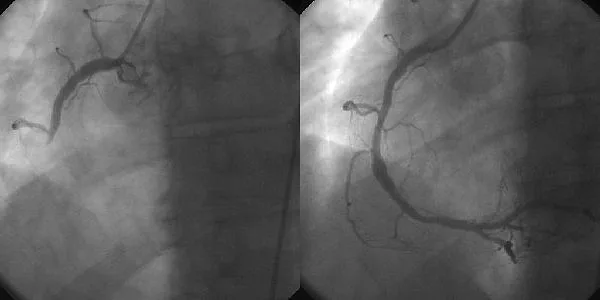
Researchers are pursuing new ways to understand, diagnose and treat heart conditions, from fetal development to recovery after a heart attack. A Worcester Polytechnic Institute team is developing a personalized, noninvasive method that uses fetal blood-flow data to detect coarctation of the aorta, a narrowing that can be difficult to identify with current imaging. Separately, a heart specialist describes how LDL cholesterol can accumulate in artery walls and trigger inflammation, while emerging CT imaging may help identify people at risk from coronary artery disease. University of Calgary researchers found that tiny particles in fluid around the heart promoted blood-vessel growth and, in mouse models, reduced scarring and improved function after a heart attack, though further research is needed. A cardiologist also argues that heart anatomy remains an open field of inquiry, pointing to the discovery of a previously undescribed pouch in the wall between the heart’s upper chambers.