



South Korea completes first Arctic-Europe round trip
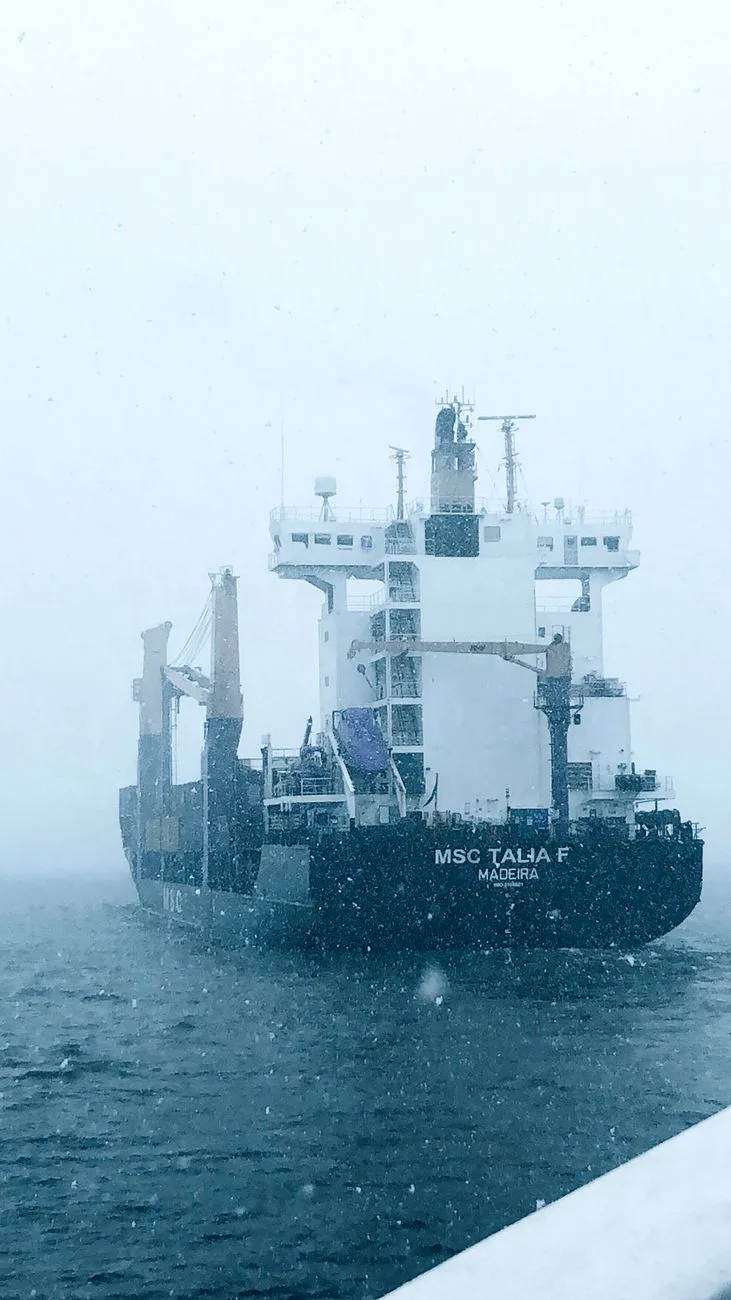
The Panstar ACRO came alongside Jaseongdae Pier in Busan Port at around eight on the morning of October 11, 2026. Fifty days after it left, the Korean container ship was home from a trial voyage to Europe by the Arctic shipping route. As the vessel tied up, President Lee Jae Myung posted a welcome on X under the title “Korea Enters the Arctic Route Era.”
“The Panstar ACRO, which completed its trial voyage along the Arctic Route, returned to Busan Port at around 8 a.m. today. You have worked so hard on this long voyage, and I sincerely welcome your safe return,” he wrote.
The oceans and fisheries ministry fixed the same scene in a statement to AFP: “The ‘PanStar Acro’, which embarked on a trial voyage along the Arctic shipping route on August 22, docked at Jaseongdae Pier in Busan Port.” One account set the docking at 8:24 a.m. A South Korean container ship stood again at the pier after the long northern run that had begun at Busan New Port.
at Busan New Port, Panstar Group’s chairman stood with company executives and the chairman of the Busan Chamber of Commerce to mark a departure. The ship was the Panstar ACRO, a 2,758-TEU container vessel. A TEU, or twenty-foot equivalent unit, is the standard measure of container capacity: one TEU equals a single twenty-foot box. It carried export cargo of chemical products and used cars—737 TEU of cargo plus empty containers, short of the roughly 1,300 TEU once sought.

Nine days out, on August 31, the vessel entered the Arctic Ocean. From there it followed the Northern Sea Route, also known as the Northeast Passage, along Russia’s northern coast, passing in turn through the Chukchi, East Siberian, Laptev, Kara and Barents seas. The Northern Sea Route runs about 5,600 kilometres through Arctic waters inside Russia’s exclusive economic zone. It is the shortest sea path between the Far East and northwestern Europe, a lane that has become more open in the warmer months as sea ice has thinned, though ice conditions stay unpredictable and some ships still need icebreaker help.
What was being tried was straightforward and hard: take a Korean container ship with commercial cargo through those five seas, work the northern passage, and turn for home the same way.
On September 12, twenty-one days after departure, the Panstar ACRO reached Felixstowe in Britain. The next day, September 13, it arrived at Rotterdam in the Netherlands. On September 18 it called at Gdansk, Poland. At the three ports the vessel unloaded and loaded cargo in sequence. After Gdansk it headed back into the Arctic and, around October 2, recrossed the Arctic Ocean, returning by the same northern route. The ship reached Busan six days later than the original October 5 schedule. The voyage proceeded without a major incident.
President Lee Jae Myung said the voyage “shortened the one-way sailing time by 10 days compared with the conventional route via the Suez Canal.” The Suez route is the long southern sea lane that has long connected Asia and Europe. “It also allowed us to gain valuable experience operating a South Korean container ship in polar waters and to collect navigational data,” he said on X.
This was the first round-trip Arctic-route voyage by a container ship, the backbone of shipping logistics.
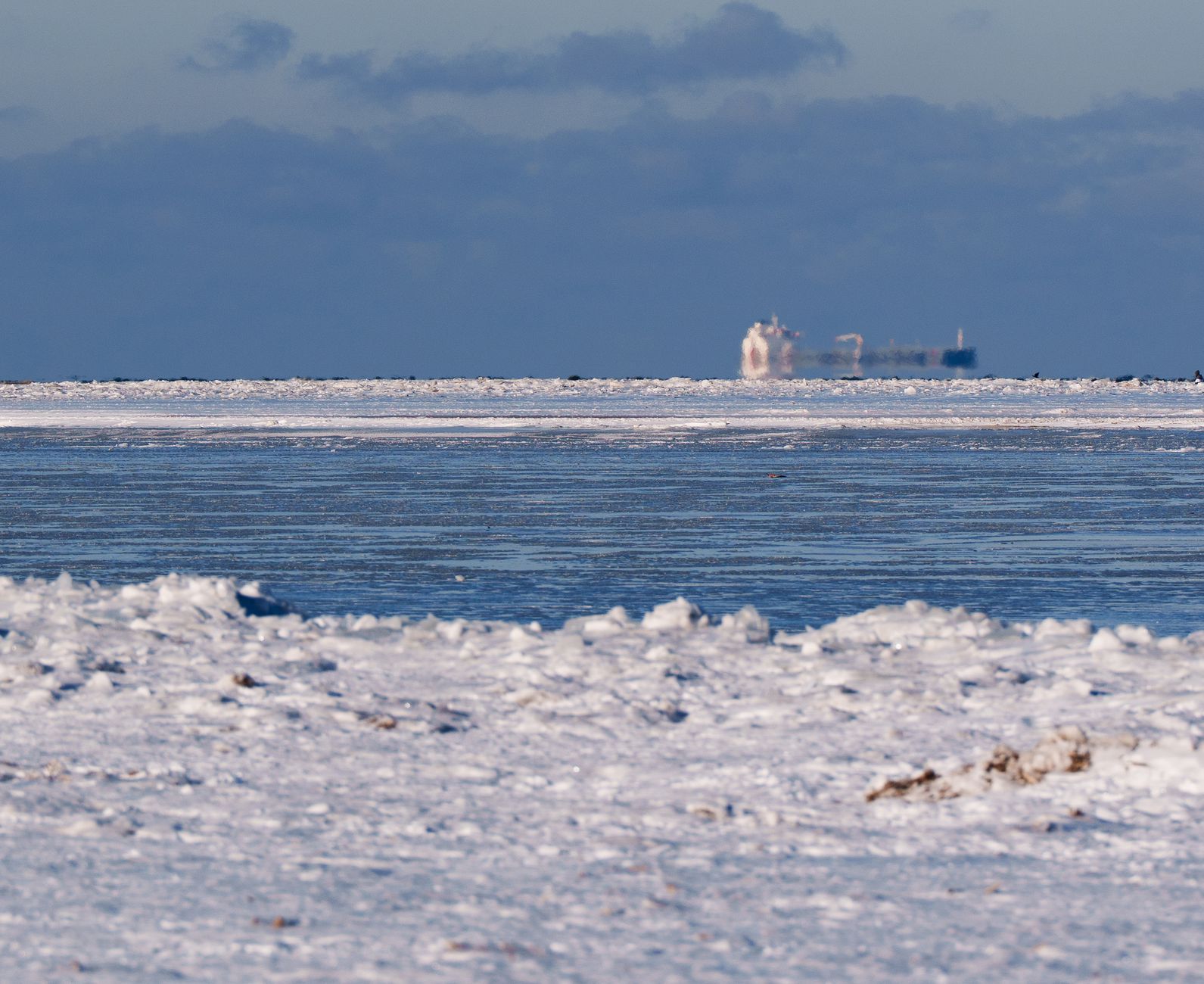
A tanker had already worked those waters. In 2013 a Hyundai Glovis vessel, the Stena Polaris, completed a round trip on the Arctic route to Russia’s Ust-Luga. That ship was a tanker. The Panstar ACRO’s run put a container vessel—the class that moves the stacked boxes of ordinary trade—through the same northern seas and home again.
President Lee Jae Myung set out what the voyage had produced in a longer post on X: “This voyage, which began on August 22, shortened the one-way sailing time by 10 days compared with the existing route via the Suez Canal, and allowed us to accumulate experience and navigation data from operating Korean container ships in polar waters.”
From Busan to Rotterdam the Arctic lane can cut distance by about 35 percent against the path through Suez. The government will now take the sailing’s distance, course, time, costs and fuel consumption and run a full economic reading of the route. The logbooks hold a measured shorter line and the first polar operating record for a Korean container ship.
President Lee Jae Myung put the claim in two lines. The trial would help the country “prepare for the era of Arctic shipping routes.” He went on: “We will transform Busan and the southeastern region into a ‘southern maritime capital region’ and ensure that this new sea route becomes a new engine of growth.”
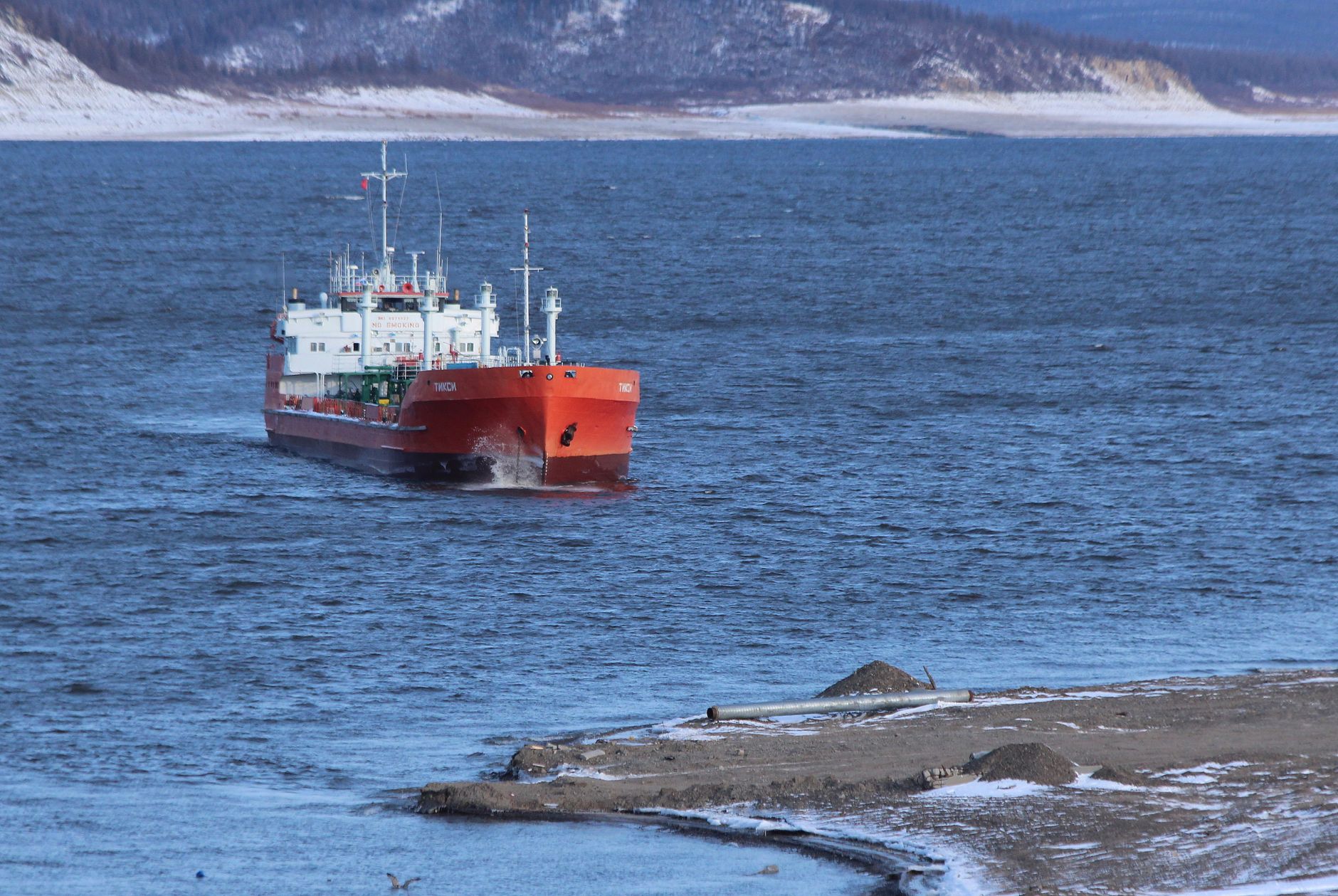
The administration has placed the Arctic trial inside a balanced regional-development push that casts Busan as the gateway and logistics hub for the northern lane. The Port of Busan is South Korea’s largest and busiest; in 2022 it handled more than three-quarters of the country’s container shipping. The aim is to foster the city as an international shipping and logistics hub and to strengthen the industrial base of the southeast around the new sea lane.
The route tracks Russia’s Arctic coast. Seoul consulted Moscow on the journey and on contingency plans, including whether the ship would need help if it stuck in ice. What the government would now do with the voyage was already scheduled at the dock.
Follow-up voyages and commercialization measures will be shaped from the trial’s results. The government aims to open a regular Arctic container route by 2030. Around 2035 the target is economies of scale, reached by deploying larger container ships on the northern passage.
Industry viability still hinges on schedule reliability, ice variability, insurance and fuel costs, and steadier cargo demand. The under-filled trial had already put those conditions in view when the ship sailed short of the cargo once sought.
A welcome-home event for the returned ship is scheduled at Busan Port on October 13. The Panstar ACRO that tied up at Jaseongdae Pier remains the physical object at the center of the dock.