



Underwater Canopies Tested on Florida Keys Corals During 2024 Heatwave
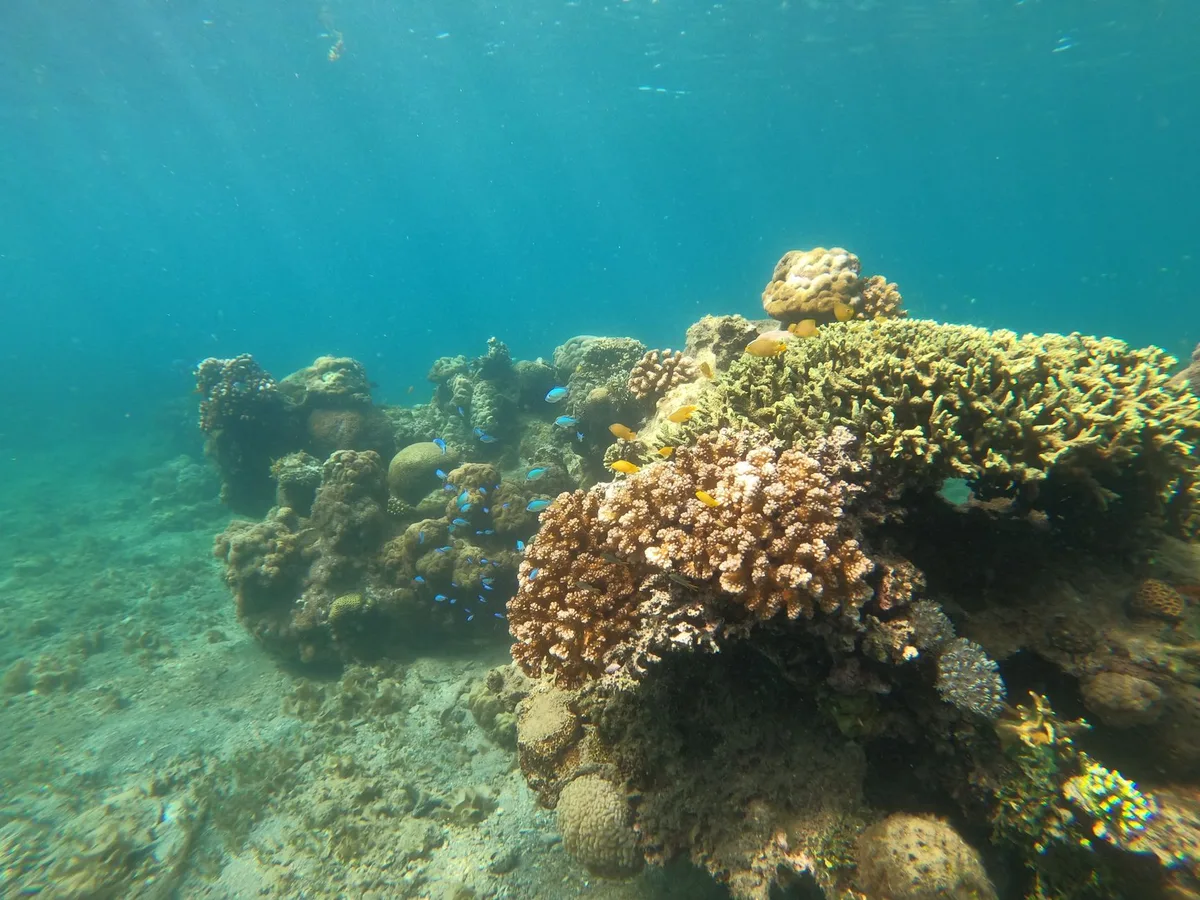
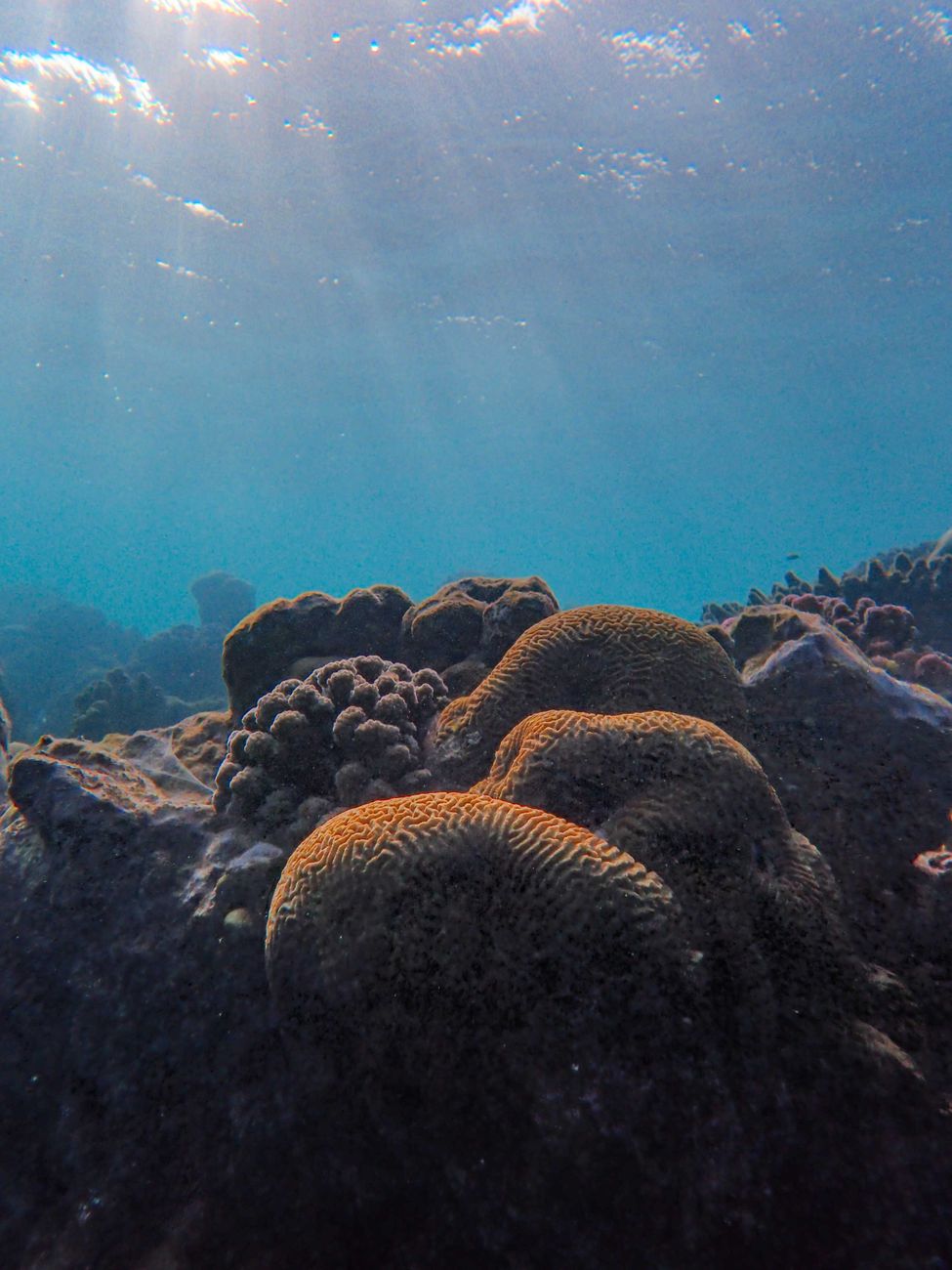
As soon as the shade cloth went on over brain coral colonies at Newfound Harbor in mid-August 2024, those corals recovered. They had already begun visibly paling. Permit delays had pushed the installation past the moment paling started, and the team did not know whether shades put in this late would still have any impact.
Karen Neely, a marine biologist and research scientist at Nova Southeastern University’s National Coral Reef Institute and lead author of the study, directed the work on two species, Pseudodiploria clivosa and Colpophyllia natans, at the patch reef off Big Pine Key in the Florida Keys National Marine Sanctuary. Twenty shade structures were installed over ten colonies. Twenty more colonies of the same species were left uncovered as unshaded controls. The shades had been meant to go on as soon as the corals started to pale.
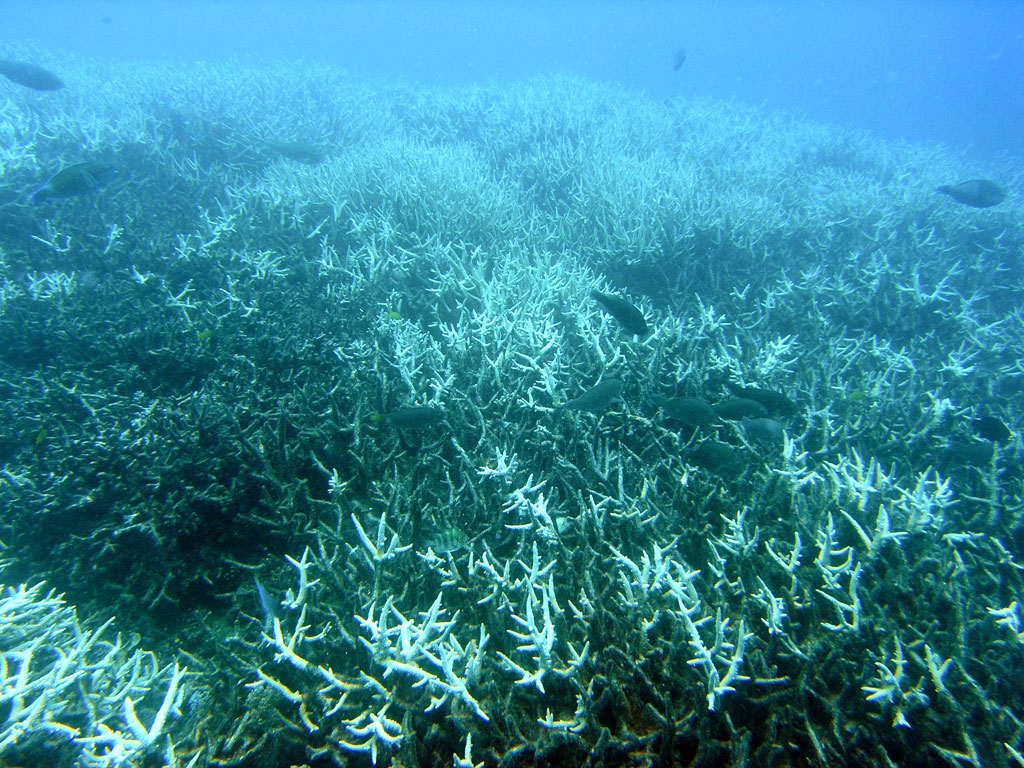
Bleaching is the process in which stress causes corals to lose the symbiotic algae living in their tissues. Those algae supply much of a coral’s energy and much of its color, and without them the animal turns pale or white.
The shades themselves were ordinary hardware. Each one was a PVC-pipe frame packed with foam for flotation, covered in agricultural nylon shade cloth and tied with cord to screws driven into the seafloor. Eighty anchor screws held the twenty structures in place. The cloth sat about 30 centimeters, roughly a foot, above each colony and cut the light reaching it by approximately 60 percent. Materials ran about $30 per shade. A shade does not cool the water. It only reduces the sunlight and ultraviolet load that, on top of heat, can push corals further into bleaching.
That design answered a specific loss. In 2023, heat stress across the Florida Keys ran double any year since satellite records began in 1985. At Newfound Harbor, more than half of the monitored corals lost part or all of their living tissue. Branching corals were essentially wiped out. Brain corals took a devastating hit at some inshore sites.
“Solutions like shading can offer temporary protection on small scales. The 2023 coral bleaching event in Florida essentially wiped out branching corals, and at some inshore sites had a devastating impact on brain corals. This study stemmed directly from that event: we wanted to provide proof of concept for tools to save targeted corals in similar future events,” Neely said. “Heat-related coral bleaching is probably the biggest threat to reefs worldwide, and we absolutely have to address climate change to have any hope of reefs as we know them existing in the future.”
By the time the cloth was fastened, the water was already deep into another season of heat. The monitoring window ran from 16 July to 12 November 2024. Newfound Harbor recorded its second-highest cumulative heat stress on record. Water temperatures exceeded the local bleaching threshold of 30.5°C, or 86.9°F, for 61 to 76 days, and reef loggers registered a peak of 32.8°C. Heat stress reached 10.7 degree heating weeks, a measure of how far and how long temperatures stay above the normal summer maximum. The shades went on only after the site had already passed 7 degree heating weeks. The target had been 4.

Divers returned every two weeks to score each colony’s color against a printed reference chart and to collect tissue biopsies. Shaded corals darkened and regained color during the September peak of heat stress. Unshaded corals kept paling. “We weren’t able to get the shades out until the corals had already started paling in color, and so we weren’t sure if this was going to be too late to have any sort of impact. But what we found was that as soon as those shades went on, those corals all recovered,” Neely said.
Two tropical storms hit the site and forced the team to pull the shades. Other rough weather left the structures undamaged. All eighty anchor screws held. Maintenance was little more than brushing sediment from the cloth.
“We were pretty confident that shades would be effective at mitigating bleaching in these corals, but we were surprised at how durable they were and how little work was required to maintain them,” Neely said. During the first storm, one large colony, logged as coral 890, was torn loose and found upside down about 100 feet away, its ridges stripped of tissue. Within two weeks of being turned upright again, the remaining tissue had grown back into one connected patch.
“Shades reversed the observed bleaching, but the event wasn’t severe enough to cause mortality on control or shaded corals. However, we know that even bleaching that doesn’t cause mortality can impact corals’ future disease susceptibility and reproductive capacity. It would be interesting to quantify if and to what extent shade structures benefitted these corals after their removal by tracking disease and reproductive output,” Neely said. Mark Warner, a marine ecological physiologist at the University of Delaware who was not involved in the study, said the result fits what is known about reduced light easing bleaching. He noted that the unshaded corals may have been losing pigment rather than algae faster than the shaded ones.
The full cost of shading a single coral for one season, diving and labor included with the materials, ran about $100. Replacing an average coral from the study with nursery-grown fragments was estimated at about $1,000. That thousand-dollar figure assumed every shaded colony would live and every uncovered one would die, a split the 2024 heat never forced at Newfound Harbor.
“Scaling is the big limitation of this study; shading is not a cure-all for coral reefs, and its use would require hard decisions about what corals are worth saving,” Neely said. “We can keep individual corals alive through shading efforts, but we must simultaneously work on our global problems in order to keep coral reefs alive.”
Future tests were aimed at earlier deployment—putting the structures on before colonies began to pale, and sooner in a heat event than the mid-August installation had allowed—on the expectation that a shade in place earlier would offer stronger protection. The other aim was how the method might be scaled for priority colonies only. Neely said several experiments were already testing how the shades could be deployed and scaled up. The monitoring run closed on 12 November 2024.
Once the cloth came off, the open question was no longer color. It was whether the colonies that had darkened under the shades carried any lasting difference in disease susceptibility or reproductive capacity. When that question was put to Neely, she said, “Unfortunately no.”