




Trump Admin Threatens to Dismantle ICC as New Sanctions Take Aim at Court
Andrew Powell · Oct 9, 2026 · 2 min read
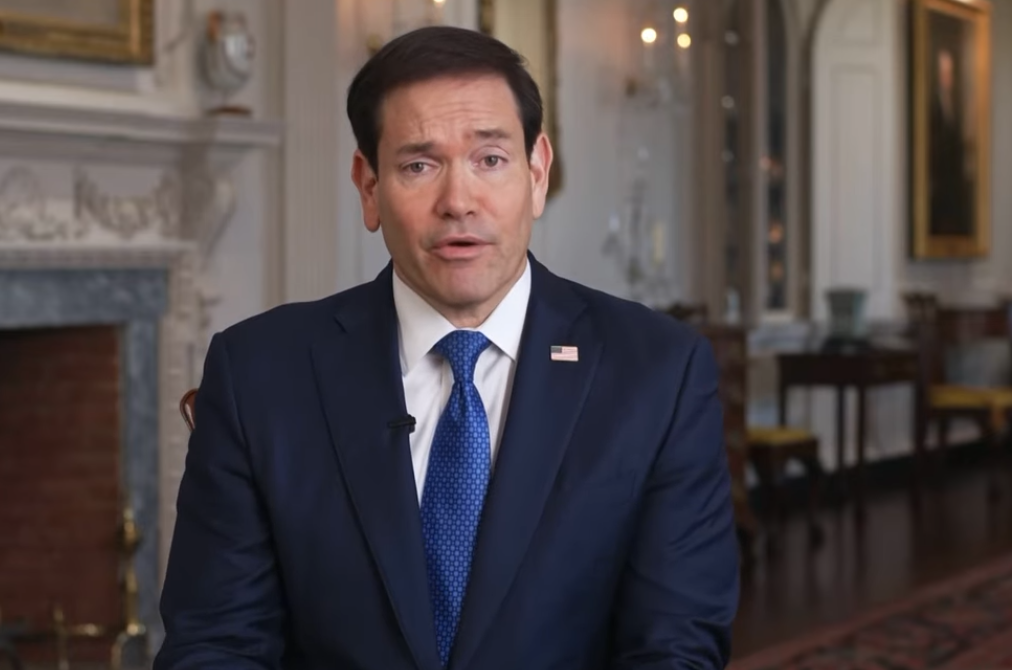
The Trump administration is escalating its campaign against the International Criminal Court, imposing financial sanctions on the institution itself for the first time as President Donald Trump seeks to curb its authority over Americans.
According to Fox News, Secretary of State Marco Rubio announced the measures Friday, saying the United States would not accept the court’s claimed authority over American personnel.
The administration had previously sanctioned 17 people connected to the ICC, including judges and prosecutors.
“Our message is clear: The United States and the American people are not subject to the jurisdiction of this fake ICC,” Rubio said in a prerecorded video released Friday.
The Netherlands-based court sharply criticized the decision, describing the sanctions as “an assault on the rule of law and on the very foundations of the international legal order.”
The ICC said it was established by treaty and entrusted by 125 member states with investigating and prosecuting genocide, crimes against humanity, war crimes and the crime of aggression. It accused Washington of trying to interfere with its judicial work and prevent it from carrying out its responsibilities.
ICC President Tomoko Akane, who was personally sanctioned by the administration in August, said the court would continue operating despite the latest action.
Under the new restrictions, ICC assets subject to U.S. jurisdiction will be frozen, while Americans, U.S. companies and banks will generally be prohibited from conducting transactions with the institution.
The penalties will not take effect immediately. The Treasury Department has provided a 180-day general license to allow the court to maintain its operations while addressing Washington’s concerns.
Rubio argued that the ICC could target U.S. military personnel serving overseas and even Border Patrol agents. However, there is no evidence that the court has sought to investigate or prosecute Border Patrol personnel.
The administration’s concerns over American service members stem in part from the ICC’s past efforts to investigate alleged war crimes in Afghanistan. In 2017, an ICC prosecutor sought authorization to investigate alleged crimes involving U.S. military and intelligence personnel. Judges initially rejected the request, but an appeals ruling in 2020 allowed the investigation to proceed.
The Trump administration also objects to the court’s 2024 arrest warrants for Israeli Prime Minister Benjamin Netanyahu and former Defense Minister Yoav Gallant over alleged war crimes and crimes against humanity in Gaza. Both men have denied wrongdoing.
In a February 2025 executive order authorizing sanctions against ICC officials, Trump called the warrants “baseless” and argued the court had exceeded its authority because Israel is not a member.
The ICC maintains it can prosecute nationals of nonmember countries for qualifying crimes committed on the territory of a state that has accepted its jurisdiction.
“Either the ICC will end its threats, or we will end the ICC,” Rubio said, warning that Washington would continue efforts to dismantle the institution if its concerns were not addressed.