




We've unlearned breathing and it's quietly wrecking health
Nestor argues that mouth breathing, fast shallow breaths, and low carbon dioxide tolerance drive snoring, anxiety, asthma, and chronic strain more than oxygen intake ever does.
IJR · Oct 10, 2026 · 11 min read
In 60 seconds
- Soft modern diets shrank human jaws and airways in a few centuries, crowding teeth and fueling snoring and sleep apnea at a scale our ancestors did not show.
- Ten days of forced mouth breathing raised Nestor's blood pressure about 13 points, dropped heart rate variability, and spiked snoring and apnea events before nasal breathing largely reversed them.
- The nose filters pathogens, conditions air, and releases nitric oxide that research links to an estimated 18 percent rise in oxygen uptake—protections an open mouth skips.
- Breathing near 5.5 breaths per minute maximizes heart rate variability, a cadence that also appears in measured chants, rosaries, and pranayama.
- Overbreathing flushes carbon dioxide so hemoglobin holds oxygen instead of releasing it, which is why CO2 tolerance beats gulping air.
- Voluntary patterns such as Tummo-style work have shown, in a 2014 endotoxin trial, measurable blunting of inflammatory immune response.
The big idea
Nestor argues that most modern humans have forgotten a basic biological skill, and that how we breathe—not merely whether we breathe—shapes sleep, facial structure, cardiovascular strain, and stress resilience. His prescription is nasal breathing, slower rhythms near the resonant rate, and higher carbon dioxide tolerance rather than bigger breaths or more oxygen.
The book in brief
The book opens on a structural indictment: modern humans have smaller mouths, more crowded teeth, and narrower airways than other species and than our own pre-industrial ancestors. Soft processed food cut the chewing force that once widened jaws and palates, so the tongue sits farther back and the airway narrows. Crooked teeth, snoring, and sleep apnea follow as habits and anatomy, not fate.
To make the habit visceral, Nestor and a partner spend ten days at Stanford with noses plugged, breathing only through the mouth, then ten days nasal-only while a team tracks blood pressure, heart rate variability, carbon dioxide, sleep, and cognition. Mouth breathing worsens the markers fast; nasal breathing largely unwinds them. Pediatric patterns of long narrow faces and attention trouble in mouth-breathing kids sit beside the self-experiment as supporting context.
Mechanism chapters explain why the nose is not a passive hole. Turbinates swirl and condition air, mucus and cilia trap vast numbers of particles, and nasal tissue produces nitric oxide that dilates vessels and aids oxygen uptake. Humming multiplies that nitric oxide release. Rate becomes the next lever: roughly 5.5 breaths a minute, with matched slow inhales and exhales, maximizes heart rate variability and shows up independently in measured prayer and chant cadences, while everyday rates of 15 to 20 keep mild sympathetic activation running.
The oxygen chase is then inverted. The Bohr effect means tissues receive oxygen only when carbon dioxide is adequate; overbreathing flushes CO2 and leaves hemoglobin clinging to its load. Buteyko-style work of breathing less and tolerating mild air hunger is presented as training for that tolerance, with the core gas-exchange science separated from broader contested cure claims.
Anatomy returns through orthodontics. Premolar extraction and arch-narrowing, long standard, are weighed against airway-centered expansion and myofunctional retraining of tongue posture, with diet and childhood chewing stress as the developmental backdrop. Extreme voluntary methods close the arc: Tummo-adapted rapid breathing and holds, plus pranayama variants, are tied to lab signs of autonomic and even immune influence, including a 2014 endotoxin study. The landing is plain—breathing is a trainable skill with better and worse technique, free to practice, and still being mapped by developing science.
Context
James Nestor published Breath in 2020 after chronic respiratory infections and a doctor's remark that human breathing had gone wrong pushed him into pulmonology archives, yoga texts, and overlooked Soviet-era research. The book mattered because it moved a Bronze Age skill into mainstream health talk, carrying breathwork from fringe practice into clinics and gyms.
The key ideas
1
Crowded modern airways
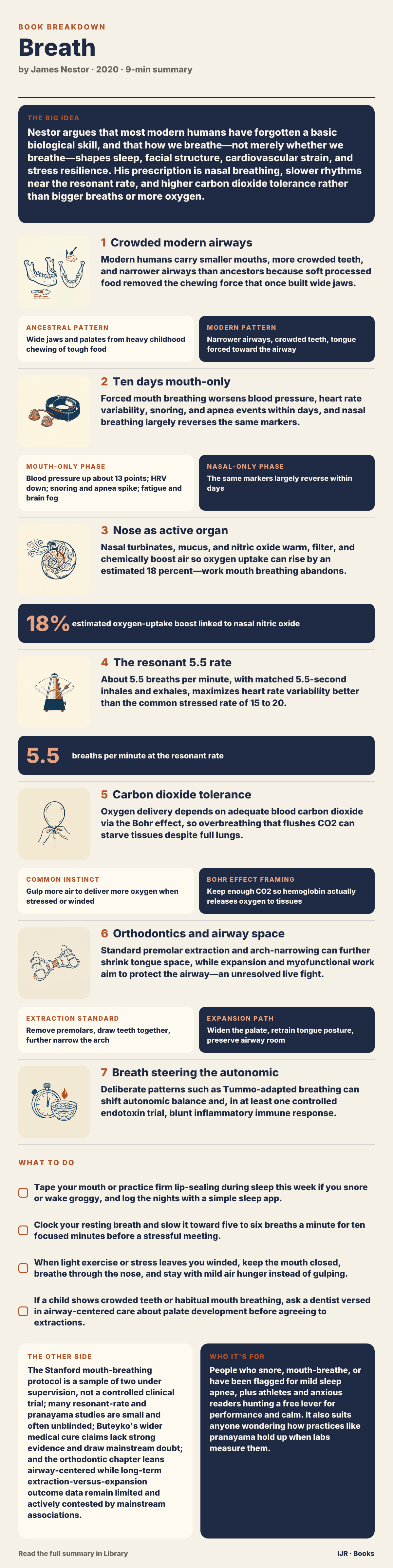
Modern humans carry smaller mouths, more crowded teeth, and narrower airways than ancestors because soft processed food removed the chewing force that once built wide jaws.
Ancestral pattern
Wide jaws and palates from heavy childhood chewing of tough food
Modern pattern
Narrower airways, crowded teeth, tongue forced toward the airway
The opening claim sounds extreme until the skulls are set side by side. Pre-industrial remains show broader palates and roomier nasal passages than typical modern ones. The shift lands in a few hundred years—too fast for genetic evolution to explain.
Chewing is the missing load. Tough, fibrous diets forced growing jaws to widen; soft industrial food did not. A narrow palate then crowds the nose and drives the tongue backward toward the airway.
Orthodontic and museum evidence is used to treat the nose, mouth, and jaw as engineering shaped by diet and habit. Breathing dysfunction becomes structural and behavioral, not a fixed medical fate.
In practice: Harvard-trained evolutionary biologist Daniel Lieberman's comparisons of pre-industrial and modern skulls show jaws measurably shrunk across a few centuries of soft food.
2
Ten days mouth-only
Forced mouth breathing worsens blood pressure, heart rate variability, snoring, and apnea events within days, and nasal breathing largely reverses the same markers.
Mouth-only phase
Blood pressure up about 13 points; HRV down; snoring and apnea spike; fatigue and brain fog
Nasal-only phase
The same markers largely reverse within days
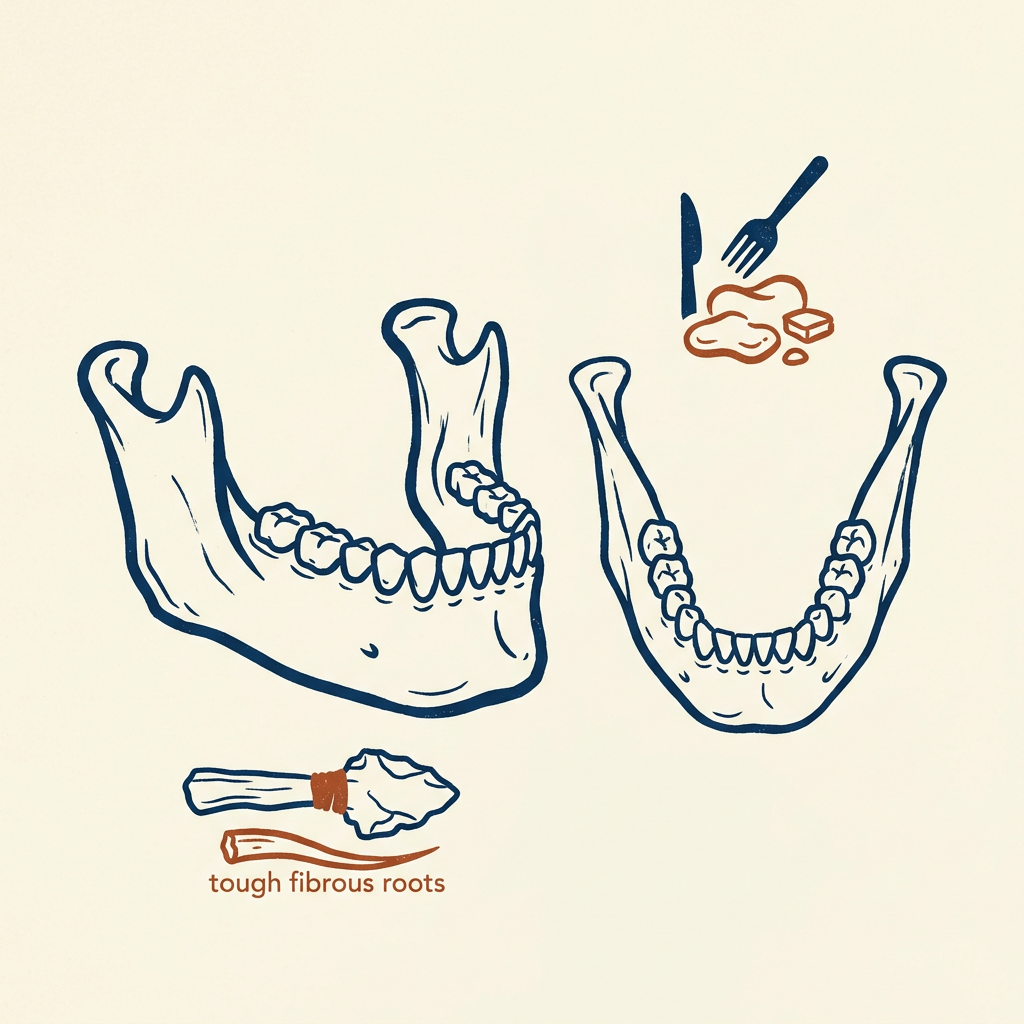
Under otolaryngologist Jayakar Nayak at Stanford, Nestor and a partner seal their noses with silicone and tape for ten days, then repeat the protocol nasal-only. Monitors track blood pressure, heart rate variability, carbon dioxide, sleep quality, and cognition the whole way.
During the mouth phase the numbers move the wrong direction: pressure climbs, variability falls, snoring and apnea events jump, fatigue and brain fog show up. The nasal phase walks many of those markers back within days.
The sample is two people, not a clinical trial. It is paired with peer-reviewed links between childhood mouth breathing, long narrow faces, and attention trouble so the habit stops feeling cosmetic.
In practice: Nestor's blood pressure rose about 13 points and home sleep monitors confirmed a dramatic spike in snoring and apnea while his nose was plugged.
3
Nose as active organ
Nasal turbinates, mucus, and nitric oxide warm, filter, and chemically boost air so oxygen uptake can rise by an estimated 18 percent—work mouth breathing abandons.
18%
estimated oxygen-uptake boost linked to nasal nitric oxide
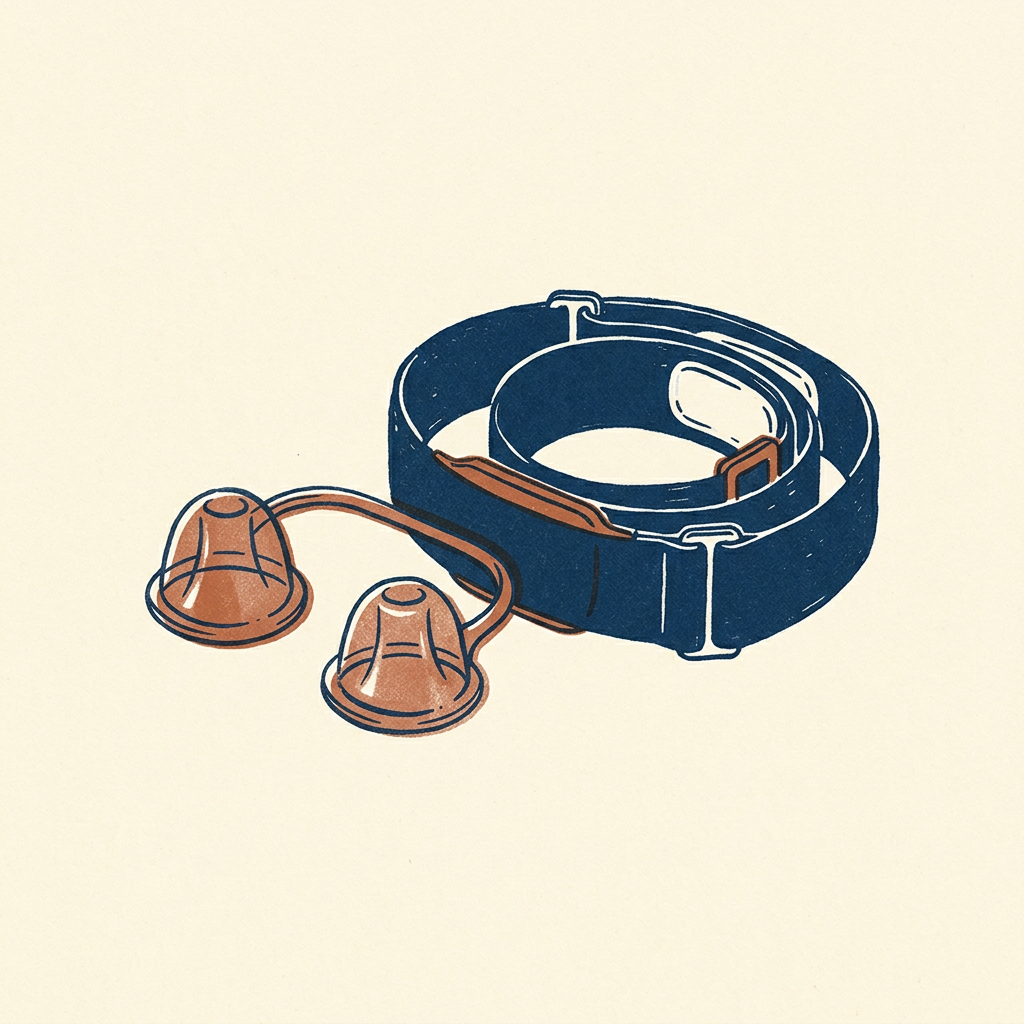
Turbinate bones swirl incoming air so it is warmed and humidified before the lungs. Mucus membranes and cilia trap pathogens and particulates by the enormous daily load. Bypass the nose and cold dry unfiltered air hits the airway straight on.
Nasal tissue also produces nitric oxide, a molecule that dilates blood vessels and supports oxygen uptake in the lungs. Swedish work by Jon Lundberg and colleagues is cited for an estimated 18 percent uptake benefit tied to that pathway.
Humming multiplies nasal nitric oxide release, up to 15 times ordinary levels in studies Nestor cites, which offers a plain physiological hint for why chanting traditions keep reappearing. Restoring nasal habit becomes the first practical target because the organ is doing immunological and gas-exchange labor, not just smelling.
In practice: Humming has been measured to lift nasal nitric oxide release as high as 15 times baseline, a spike mouth breathing never produces.
4
The resonant 5.5 rate
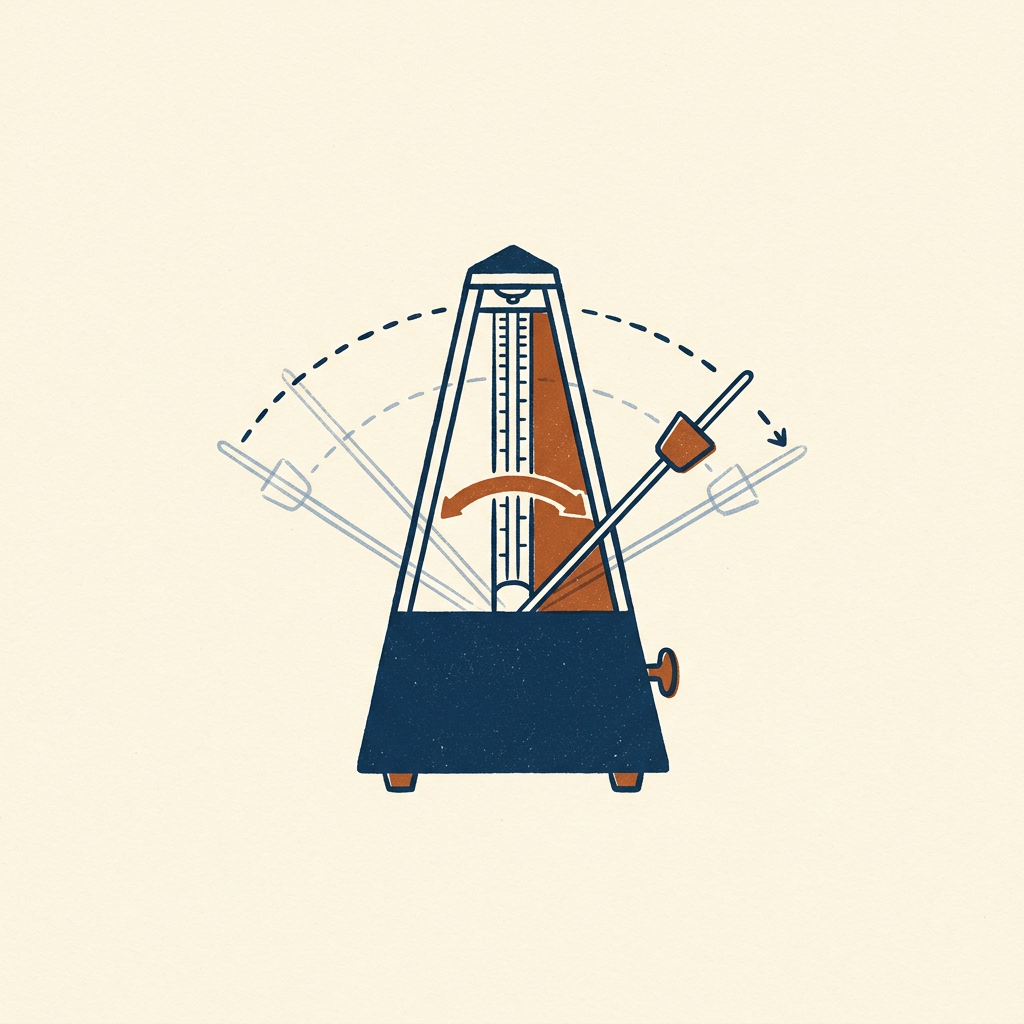
About 5.5 breaths per minute, with matched 5.5-second inhales and exhales, maximizes heart rate variability better than the common stressed rate of 15 to 20.
5.5
breaths per minute at the resonant rate
Heart rate variability research, including work tied to Stephen Elliott and cardiology groups, keeps landing on a coherent or resonant cadence near 5.5 to 6 breaths a minute. That rhythm is linked to lower stress load, steadier cardiovascular resilience, and clearer emotional regulation in the small studies described.
Unrelated traditions converge on the same tempo. Measured Buddhist chants, rosary prayers, and some pranayama sequences fall close to the same cadence, as if long trial and error found the dial before labs named it.
Most people default much faster, often 15 to 20 breaths a minute under stress or simple habit, which leaves the sympathetic system mildly lit. Slowing on purpose is framed as a specific autonomic shift toward parasympathetic dominance, not vague relaxation. Hypertension patients in some of the small trials showed modest blood pressure reductions after weeks at the slower rate.
In practice: When researchers timed traditional chants and rosary prayers, the breathing cadence repeatedly fell near the same 5.5-second inhale and exhale window.
5
Carbon dioxide tolerance
Oxygen delivery depends on adequate blood carbon dioxide via the Bohr effect, so overbreathing that flushes CO2 can starve tissues despite full lungs.
Common instinct
Gulp more air to deliver more oxygen when stressed or winded
Bohr effect framing
Keep enough CO2 so hemoglobin actually releases oxygen to tissues
The popular fix—breathe more, gulp harder—runs into century-old physiology. The Bohr effect shows hemoglobin releases oxygen into tissues when carbon dioxide levels are sufficient. Blow off too much CO2 through hyperventilation and hemoglobin holds tight instead.
Soviet physician Konstantin Buteyko built a 1950s method on that hinge: breathe less, accept mild air hunger, and raise CO2 tolerance over time. Nestor tries derived drills and reports longer breath holds and less perceived breathlessness in exercise.
Broader cure claims attached to the method, including for conditions like epilepsy, lack strong clinical backing and draw mainstream skepticism. The gas-exchange core remains established science. The book's aim flips from bigger breaths to slower nasal ones that keep enough CO2 in play.
In practice: Nestor's own Buteyko-derived practice lengthened his breath-hold times and eased the sense of breathlessness during exercise.
6
Orthodontics and airway space
Standard premolar extraction and arch-narrowing can further shrink tongue space, while expansion and myofunctional work aim to protect the airway—an unresolved live fight.
Extraction standard
Remove premolars, draw teeth together, further narrow the arch
Expansion path
Widen the palate, retrain tongue posture, preserve airway room
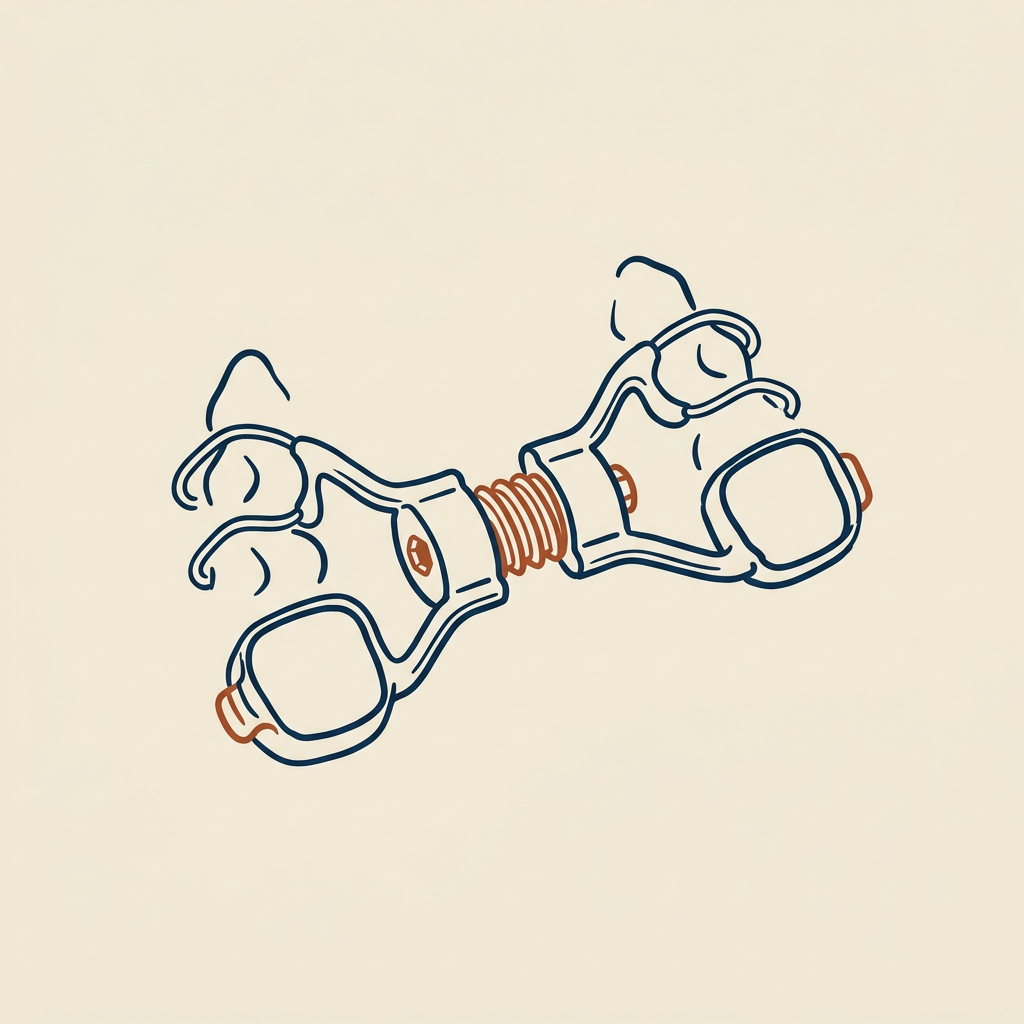
Twentieth-century orthodontics often treated crowding by removing premolars and pulling the remaining teeth together. Airway-centered and myofunctional clinicians argue that move shrinks the arch, crowds the tongue, and raises later risk of sleep-disordered breathing.
Alternatives include palate-expansion devices and exercises that retrain tongue posture and chewing, sometimes easing mild crowding without extraction. Anthropological notes return here: hunter-gatherer groups eating tough food developed wider jaws through mechanical stress in childhood that soft diets no longer supply.
Mainstream orthodontic groups have pushed back on extraction-as-apnea claims, and long-term head-to-head outcome data stay limited and contested. The chapter leaves the dispute open while still tying childhood chewing, palate width, and adult airway risk into one developmental chain.
In practice: Proponents of airway-centered care point to palate expanders and tongue-posture training as ways to reverse mild crowding without pulling premolars.
7
Breath steering the autonomic
Deliberate patterns such as Tummo-adapted breathing can shift autonomic balance and, in at least one controlled endotoxin trial, blunt inflammatory immune response.
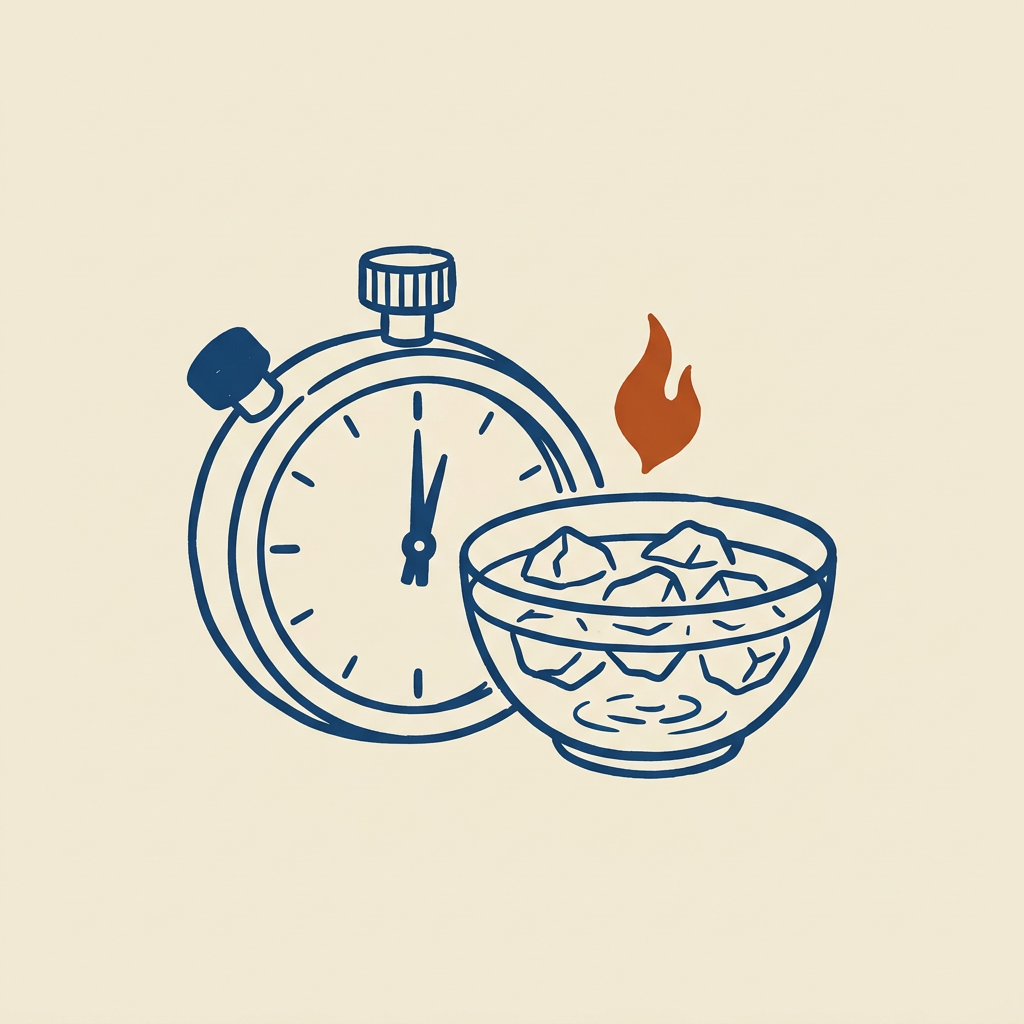
Wim Hof's version of Tibetan Tummo pairs rapid deep breaths with holds and cold exposure. A 2014 Radboud University study led by Matthijs Kox and published in PNAS trained practitioners, injected bacterial endotoxin, and recorded a smaller inflammatory response and milder flu-like symptoms than in untrained controls, along with voluntary influence on heart rate and adrenaline.
The result matters because immune reaction of that kind was long treated as unreachable by will. The study is small and replication remains limited, so it is held as significant but early.
Pranayama variants, including alternate-nostril work, appear next with smaller studies hinting at shifts in hemisphere activity and autonomic tone depending on which side is emphasized. Traditional energy-channel language is set aside; the throughline is that breath is one of the few autonomic functions people can consciously override, and distant cultures found overlapping levers—fast to activate, slow to calm—before shared lab vocabulary existed.
In practice: In the 2014 PNAS endotoxin trial, Hof-method trainees showed a measurably reduced inflammatory response and milder flu-like symptoms versus untrained controls.
Key terms
- Resonant rate About 5.5 to 6 breaths a minute, often with equal 5.5-second inhales and exhales, that maximizes heart rate variability.
- Bohr effect The rule that hemoglobin releases oxygen to tissues only when blood carbon dioxide is high enough.
- Nasal nitric oxide A vessel-dilating molecule made in nasal tissue that supports oxygen uptake and rises sharply with humming.
- Long face syndrome The pattern of elongated narrow faces and higher attention trouble seen in many chronically mouth-breathing children.
- Buteyko method A 1950s approach of breathing less and tolerating mild air hunger to build carbon dioxide tolerance.
- Myofunctional therapy Exercises that retrain tongue posture and chewing to support palate shape and airway space.
- Tummo breathing A Tibetan rapid-breath-and-hold practice, adapted by Wim Hof, used to push autonomic and cold-stress limits.
- Pranayama Yogic breath-control techniques, including alternate-nostril patterns, aimed at shifting arousal and balance.
What to do
- Tape your mouth or practice firm lip-sealing during sleep this week if you snore or wake groggy, and log the nights with a simple sleep app.
- Clock your resting breath and slow it toward five to six breaths a minute for ten focused minutes before a stressful meeting.
- When light exercise or stress leaves you winded, keep the mouth closed, breathe through the nose, and stay with mild air hunger instead of gulping.
- If a child shows crowded teeth or habitual mouth breathing, ask a dentist versed in airway-centered care about palate development before agreeing to extractions.
Questions to think with
- When during an ordinary day do you catch yourself mouth-breathing, and what cue could switch you back to the nose?
- What happens to your sense of calm if you run ten minutes at roughly 5.5-second inhales and exhales before a hard conversation?
- If soft food helped shrink jaws over a few centuries, what tougher foods or chewing habits are realistic in your kitchen this month?
- How should contested orthodontic evidence change a parent's questions before premolar extraction is scheduled?
- Where is the line for you between useful CO2-tolerance training and pushing into unsafe breath-hold territory?
The other side
The Stanford mouth-breathing protocol is a sample of two under supervision, not a controlled clinical trial; many resonant-rate and pranayama studies are small and often unblinded; Buteyko's wider medical cure claims lack strong evidence and draw mainstream doubt; and the orthodontic chapter leans airway-centered while long-term extraction-versus-expansion outcome data remain limited and actively contested by mainstream associations.
Who it's for
People who snore, mouth-breathe, or have been flagged for mild sleep apnea, plus athletes and anxious readers hunting a free lever for performance and calm. It also suits anyone wondering how practices like pranayama hold up when labs measure them.