


A thirty-day declutter beats moderation against engineered apps
Anyone who reaches for a phone without deciding to should care, because Newport replaces failed willpower tips with a clean break that rebuilds tech around named values.
IJR · Oct 9, 2026 · 11 min read
In 60 seconds
- Compulsive checking is engineered through intermittent variable rewards, pull-to-refresh, and infinite scroll, not weak character.
- Constant connectivity creates solitude deprivation that blocks the idle mental processing people need to handle emotions and build a stable self.
- A full thirty-day drop of optional tech lets old reward loops atrophy better than gradual cutting, which keeps negotiation alive.
- Reintroduce only tools that clearly serve a deep value, and only under explicit rules of time, day, and purpose.
- Low-bandwidth connection crowds out real conversation, which is the high-bandwidth contact that actually produces intimacy and understanding.
- Passive scrolling fails to restore people; skill-based, often social leisure satisfies deeper needs for competence and relatedness.
The big idea
Newport argues compulsive smartphone and social media use is not a personal failing but the predictable result of apps built like slot machines to maximize time-on-screen. His fix is not moderation but a thirty-day digital declutter followed by deliberate, values-based readoption under strict rules.
The book in brief
Newport opens by reframing compulsive phone use as an engineering problem rather than a moral one. Apps are designed with pull-to-refresh, infinite scroll, and intermittent variable rewards—the same psychology that makes gambling sticky—and former Facebook executives have admitted the platforms were built to exploit a vulnerability in human psychology. Shame and willpower tips therefore miss the point; the reader needs a counter-strategy.
He then names a deeper loss he calls solitude deprivation: the near-total disappearance of unstructured time alone with one’s own thoughts. Historical baselines such as Lincoln walking to think and Thoreau at Walden show how much reflective idle time humans once had by default. When every spare moment is filled with other people’s input, the mind never processes emotions or problems, and anxiety and restlessness accumulate.
The hinge of the book is the digital declutter. For thirty days the reader stops every optional technology—social media, games, news apps, often streaming—while actively rediscovering offline activities that feel satisfying. At the end, each tool is let back only if it serves a deeply held value, is the best way to serve it, and comes with specific operating rules rather than open access. Newport ran an informal field experiment with about 1,600 volunteers who reported that most apps were simply not missed.
After the break he turns diagnosis into practice. Solitude must be scheduled—phone-free walks, letter-writing, fixed quiet blocks—because default behavior will always fill silence with input. Communication should become conversation-centric: real-time talk as the default for real relationships, texting reserved for logistics. Leisure must shift from passive consumption to skill-based, often social production—woodworking, choirs, board-game nights—because low-quality scrolling leaves people more drained than restored.
He closes by framing digital minimalism as an ongoing stance, not a one-time cleanse. Structural tactics such as browser-only social media, default-off notifications, single-purpose timers, and full digital sabbaths keep the philosophy alive against companies whose business model pulls the other way. Occasional relapse is treated as a signal to re-ask the value question, not as personal failure.
Context
The book appeared in 2019 amid rising unease about screen time. It offered a structured, non-Luddite alternative both to digital addiction and to total tech rejection.
The key ideas

1
Engineered attention traps
Compulsive phone checking is engineered behavior, not a character flaw, because companies profit directly from maximizing time-on-app.
The common story
You check constantly because your willpower is weak
Newport’s claim
Apps use slot-machine rewards and infinite scroll to defeat willpower on purpose
Newport reframes the shame many people feel when they check Instagram dozens of times a day. The apps are built by teams that apply behavioral psychology specifically to make quitting hard, so the failure of moderation is predictable rather than personal.
Design features do the work. Pull-to-refresh is modeled on slot machines; infinite scroll removes natural stopping cues. Former Facebook executives, including Sean Parker and Chamath Palihapitiya, publicly described the platform as exploiting a vulnerability in human psychology through intermittent variable rewards—the same mechanism that drives gambling.
Once the frame shifts from willpower to design, the strategic response becomes clear. Thousands of engineers optimize against exactly the self-control tips most advice offers. The same pattern appears across Facebook, Snapchat, YouTube autoplay, and similar products.
The chapter’s job is therefore to clear self-blame so the reader can treat the problem as an engineering challenge to counter-engineer.
In practice: Someone checking Instagram forty times a day is running into intermittent variable rewards engineered to keep the hand reaching, not simply failing at self-control.

2
Solitude deprivation
Constant connectivity has erased unstructured solitude, and that loss—not mere distraction—drives rising anxiety.
Newport defines solitude deprivation as the state of almost never being alone with one’s own thoughts, because a phone offers instant escape into other voices and content. The mind loses the idle stretch it needs to process emotion and maintain a stable sense of self.
He sets historical baselines. Lincoln walked alone to think through the Emancipation Proclamation; Thoreau at Walden had long stretches of unstructured reflection by default. Those conditions have quietly vanished for anyone who reaches for a screen at every pause.
He draws on psychologist Kalina Christoff’s work on mind-wandering and the default-mode brain network to argue that idle mental time is when important cognitive processing occurs. Fill every gap with a phone check and that processing never happens; the residue is restlessness and difficulty sitting with one’s thoughts.
The claim sets up later prescriptions. The goal is not only less screen time but the restoration of a category of experience that had disappeared.
In practice: Lincoln’s solitary walks to work through the Emancipation Proclamation stand as a baseline for the reflective idle time that constant connectivity now erases.
3
The thirty-day declutter
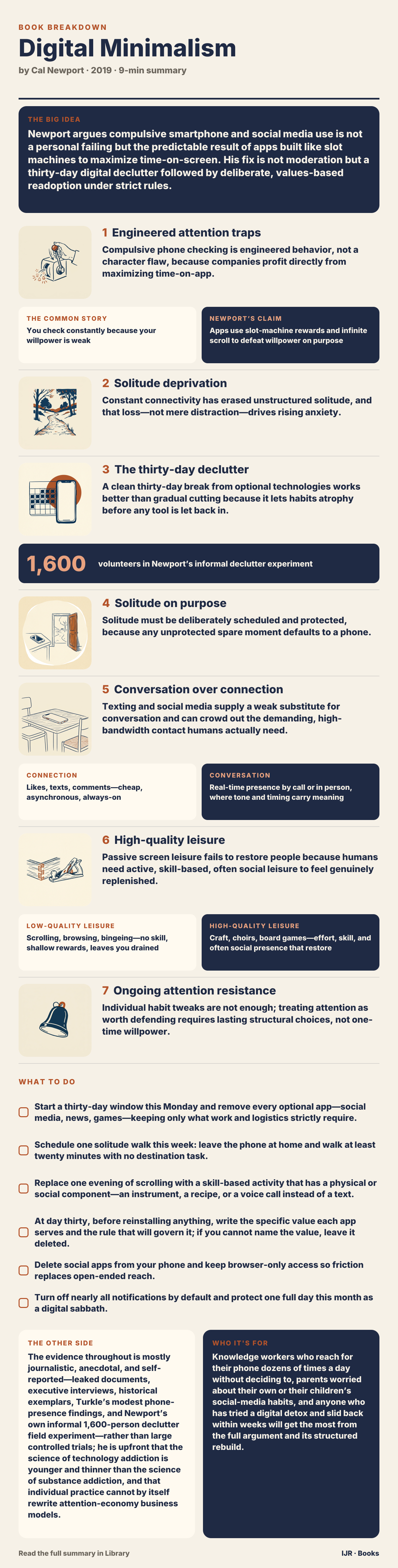
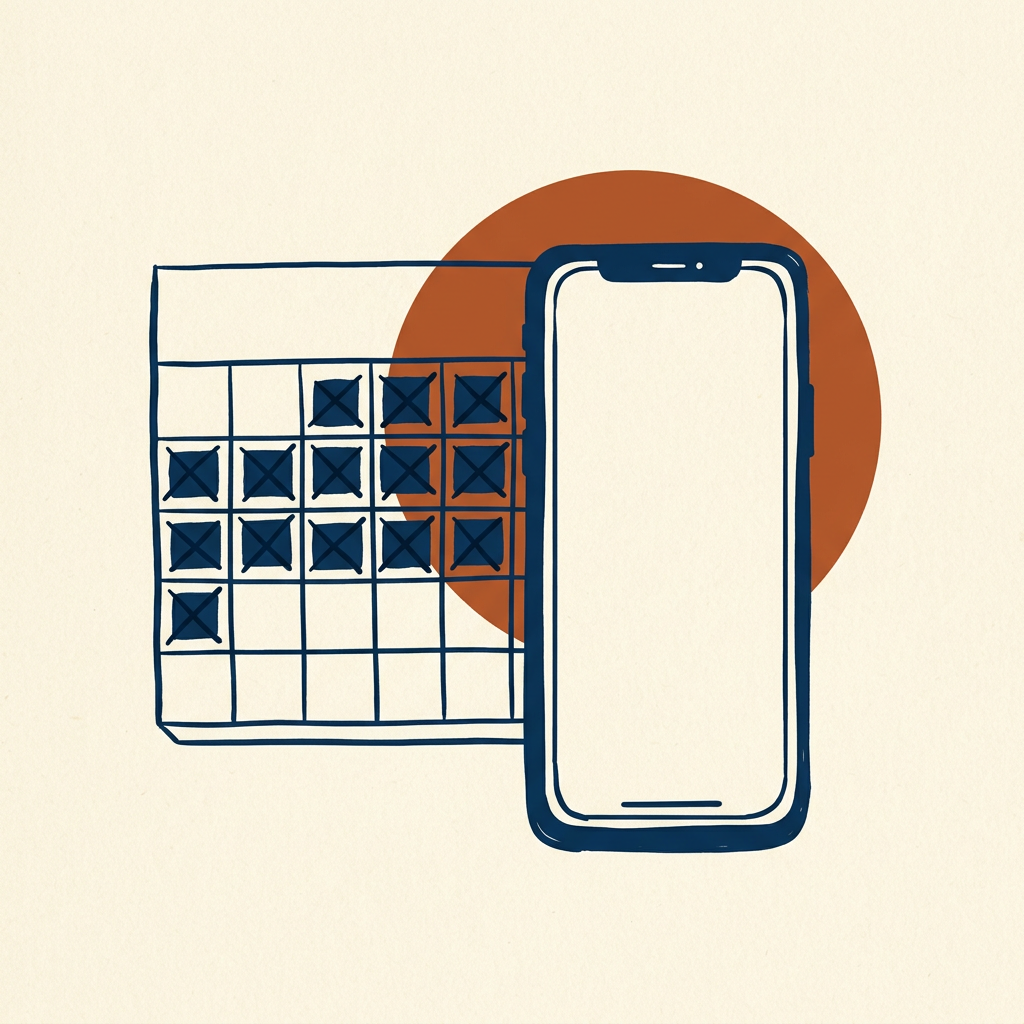
A clean thirty-day break from optional technologies works better than gradual cutting because it lets habits atrophy before any tool is let back in.
1,600
volunteers in Newport’s informal declutter experiment
Newport’s central intervention is simple and strict. For thirty days stop every technology that is optional—social media, games, news apps, often streaming—keeping only what work or basic household logistics require.
During the break the reader must actively rediscover offline activities that feel satisfying rather than merely enduring withdrawal. The empty space is the point: it reveals what is actually missed and what is not.
Reintroduction is deliberate and rule-bound. For each candidate tool ask whether it serves something deeply valued, whether it is the best way to serve that value, and what specific limits of time, day, and purpose will govern its use. Open-ended access is refused.
He tested the protocol informally with about 1,600 volunteers who reported back. Most found they did not miss the majority of apps and returned only one or two under tight rules. Partial restriction, by contrast, leaves the reward loop intact and forces constant self-negotiation.
In practice: After thirty days many of the roughly 1,600 volunteers who tried the declutter simply left most apps deleted and restored only one or two with strict operating rules.
4
Solitude on purpose
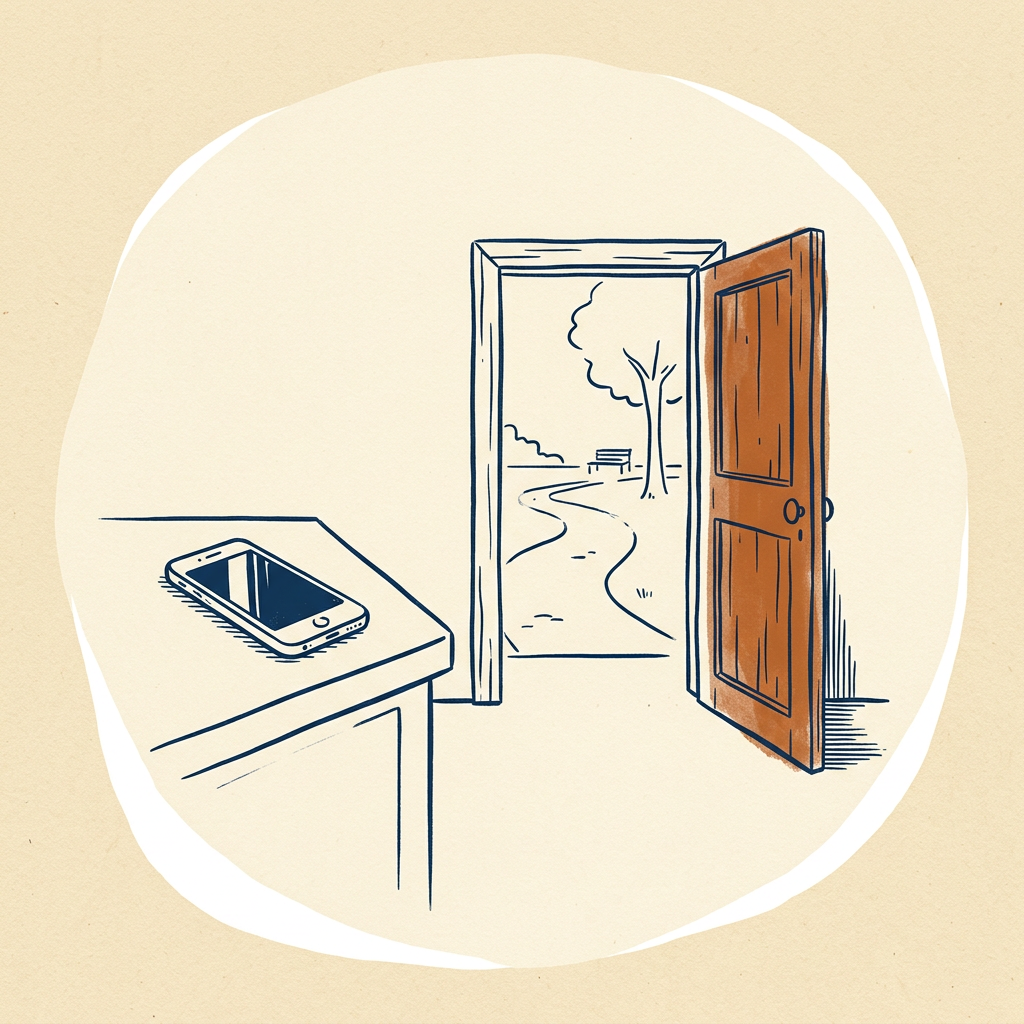
Solitude must be deliberately scheduled and protected, because any unprotected spare moment defaults to a phone.
Having diagnosed solitude deprivation, Newport turns it into practice. Solitude is no longer what happens when the schedule is empty; it has to be placed on the calendar the way exercise or sleep is placed.
Concrete tactics follow. Leave the phone at home for walks he calls solitude walks. Write letters to work through problems the way Lincoln or Marcus Aurelius used correspondence and journals. Borrow the spirit of Fred Rogers’s fixed morning quiet and solitary swims by protecting regular reflective blocks.
He also sharpens the definition. Physical aloneness is not required: a crowded commuter train can count as solitude if the mind is free of other people’s input, while sitting alone at home and scrolling does not. The fix is disconnection from input, not isolation from people.
Left to default behavior, silence is always filled. Structure is therefore the only reliable defense.
In practice: A solitude walk—phone left at home, twenty minutes or more with no destination task—turns an ordinary errand route into protected reflective time.
5
Conversation over connection
Texting and social media supply a weak substitute for conversation and can crowd out the demanding, high-bandwidth contact humans actually need.
Connection
Likes, texts, comments—cheap, asynchronous, always-on
Conversation
Real-time presence by call or in person, where tone and timing carry meaning
Newport separates two kinds of social contact. Connection is low-bandwidth and asynchronous—likes, texts, comments. Conversation is real-time and high-bandwidth, ideally face-to-face or at least by voice, where tone, timing, and presence carry meaning.
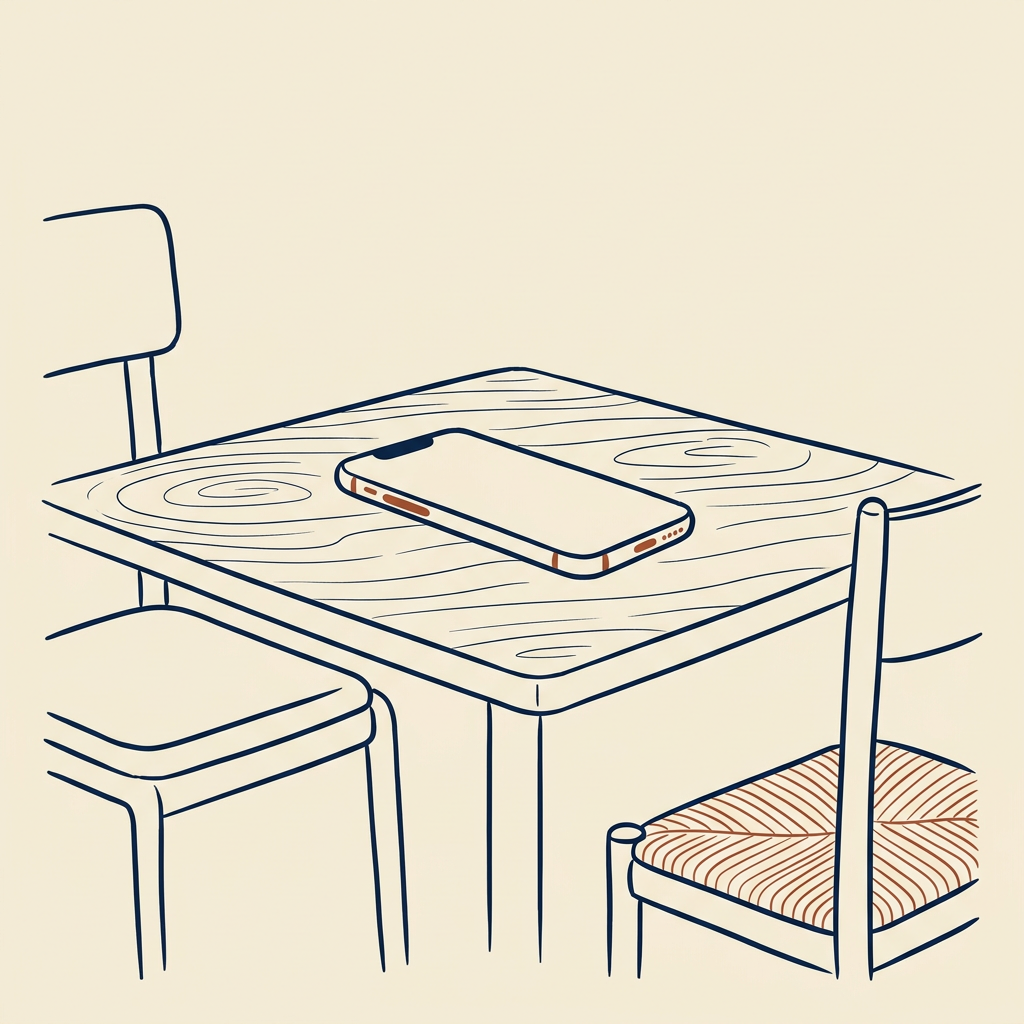
He leans on sociologist Sherry Turkle’s findings that the mere presence of a phone on a table during a talk measurably lowers interaction quality and the empathy participants later report—an effect sometimes called the iPhone effect. Connection is cheap and therefore seductive; conversation is effortful and produces the sense of being understood that people actually need.
The operating principle is conversation-centric communication: make real conversation the default for real relationships and reserve texting for logistics. One concrete device is friendship office hours—fixed windows when you are available to talk—so presence becomes reliable without requiring constant availability.
The loneliness paradox around 2018, with rising connectivity alongside rising reported loneliness especially among young adults, fits the same directional claim.
In practice: A phone lying on the table between two people is enough, in the studies Newport cites, to reduce the quality of the conversation and the empathy felt afterward.
6
High-quality leisure
Passive screen leisure fails to restore people because humans need active, skill-based, often social leisure to feel genuinely replenished.
Low-quality leisure
Scrolling, browsing, bingeing—no skill, shallow rewards, leaves you drained
High-quality leisure
Craft, choirs, board games—effort, skill, and often social presence that restore
Newport argues that phones fill free time partly because mid-20th-century culture hollowed out active leisure in favor of passive consumption—first television, then social media. Low-quality leisure demands no skill, delivers shallow rewards, and leaves people more drained than before.
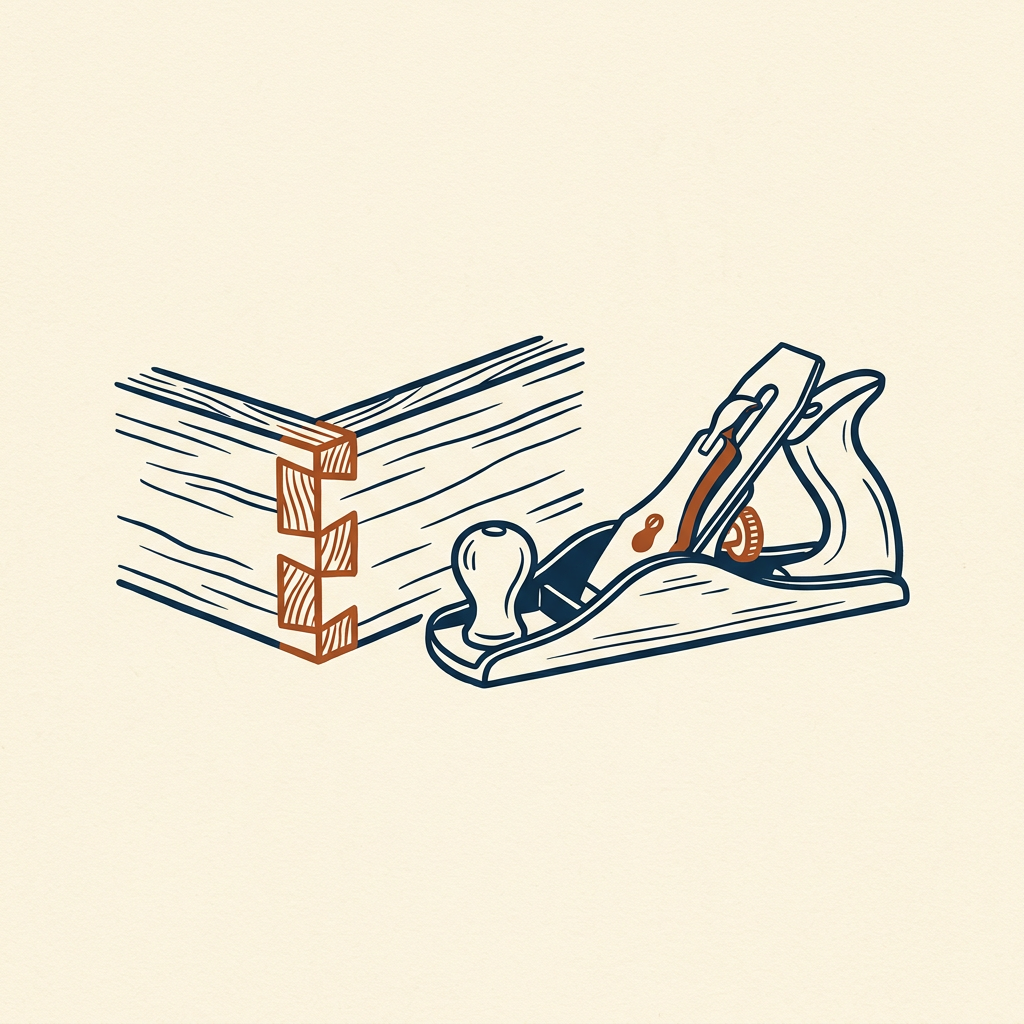
He revives Aristotle’s claim that leisure well used requires effort and skill, and points to counter-examples: Amish communal barn-raising and craft, and the older lyceum and craftsman movements in which amateurs built furniture, repaired engines, or played instruments for the satisfaction of competence itself.
The prescription is to prioritize production over consumption, ideally with a physical or social component—woodworking, running clubs, community choirs, board-game nights. The underlying mechanism, drawn loosely from self-determination theory, is that skill-based leisure meets needs for competence, autonomy, and relatedness that scrolling cannot touch.
Several declutter participants independently rediscovered knitting or amateur radio and reported higher satisfaction than they had been getting from social media.
In practice: A chapter club of declutter participants who took up knitting or amateur radio during the thirty days reported feeling more restored than they had after evenings of scrolling.

7
Ongoing attention resistance
Individual habit tweaks are not enough; treating attention as worth defending requires lasting structural choices, not one-time willpower.
Newport closes by insisting digital minimalism is a standing philosophy, not a thirty-day cleanse you finish and forget. Someone who values physical health does not stop exercising after one intense month; the same logic applies to attention.
Structural friction does the ongoing work. Delete social apps from the phone and keep browser-only access. Turn off nearly all notifications by default. Use single-purpose devices or timers to bound certain tools. Negotiate digital sabbaths—full days free of optional tech, extending the older idea of a weekly rest from labor into a rest from connectivity.
Relapse is expected because the apps are still engineered to pull users back. A slip is treated as a signal to re-run the value-versus-cost questions of the declutter, not as proof of personal failure.
He notes that personal practice cannot by itself rewrite attention-economy business models, yet the book’s prescriptions stay at the level of individual structure rather than policy.
In practice: Deleting social apps from the phone while leaving browser-only access reintroduces enough friction that open-ended scrolling stops being the path of least resistance.
Key terms
- digital minimalism Use technology only in ways that directly serve values you have chosen; reject the rest outright
- solitude deprivation Almost never being alone with your own thoughts because a phone supplies instant outside input
- digital declutter A thirty-day break from all optional tech, followed by deliberate, rule-bound readoption
- intermittent variable rewards Unpredictable payoffs, like a slot machine, that keep users pulling for the next hit
- conversation-centric communication Make real-time talk the default for real relationships; reserve texting for logistics
- connection Low-bandwidth, asynchronous contact such as likes, texts, and comments
- low-quality leisure Passive scrolling or bingeing that needs no skill and leaves people more drained
- attention resistance The ongoing stance of defending your attention with structural rules rather than one-time willpower
- digital sabbath A full day regularly kept free of optional technology
What to do
- Start a thirty-day window this Monday and remove every optional app—social media, news, games—keeping only what work and logistics strictly require.
- Schedule one solitude walk this week: leave the phone at home and walk at least twenty minutes with no destination task.
- Replace one evening of scrolling with a skill-based activity that has a physical or social component—an instrument, a recipe, or a voice call instead of a text.
- At day thirty, before reinstalling anything, write the specific value each app serves and the rule that will govern it; if you cannot name the value, leave it deleted.
- Delete social apps from your phone and keep browser-only access so friction replaces open-ended reach.
- Turn off nearly all notifications by default and protect one full day this month as a digital sabbath.
Questions to think with
- Which optional apps on your phone would fail the test of serving a deeply held value under a clear operating rule?
- When was the last stretch of more than twenty minutes you spent alone with your thoughts and no device nearby?
- Where in your week could conversation replace a thread of texts without adding always-on availability?
- What skill-based leisure could fill the evening slot that currently defaults to scrolling?
- Which structural friction—browser-only access, killed notifications, or a weekly tech sabbath—would most change your default reach for the phone?
The other side
The evidence throughout is mostly journalistic, anecdotal, and self-reported—leaked documents, executive interviews, historical exemplars, Turkle’s modest phone-presence findings, and Newport’s own informal 1,600-person declutter field experiment—rather than large controlled trials; he is upfront that the science of technology addiction is younger and thinner than the science of substance addiction, and that individual practice cannot by itself rewrite attention-economy business models.
Who it's for
Knowledge workers who reach for their phone dozens of times a day without deciding to, parents worried about their own or their children’s social-media habits, and anyone who has tried a digital detox and slid back within weeks will get the most from the full argument and its structured rebuild.