




America Has Little Fuel Cushion Left If A Hurricane Knocks Out Gulf Coast Refineries
America’s fuel supply has little room left to absorb a hurricane that knocks Gulf Coast refineries offline, according to federal data and energy analysts.
Simon August · Oct 10, 2026 · 5 min read
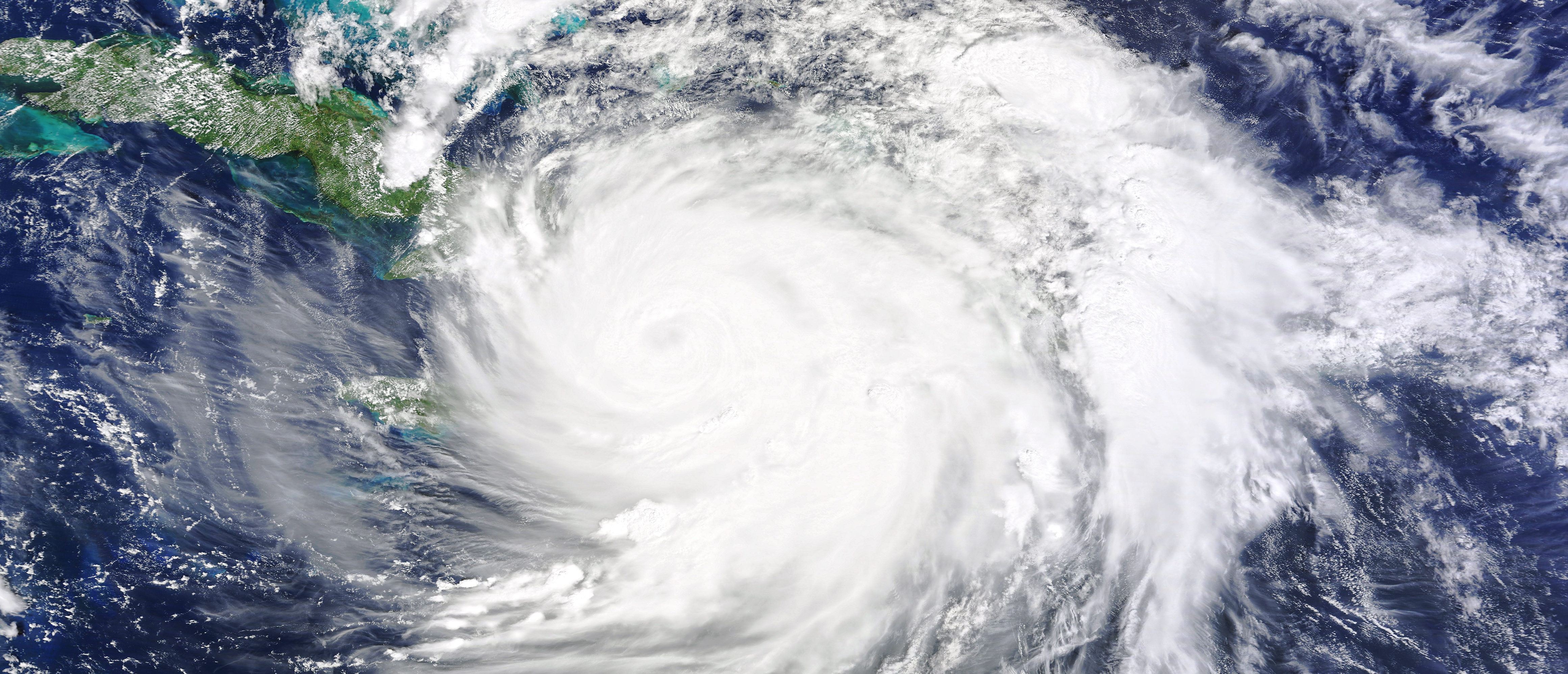

America’s fuel supply has little room left to absorb a hurricane that knocks Gulf Coast refineries offline, according to federal data and energy analysts.
U.S. gasoline inventories were 6 percent below their five-year average for the week ending Oct. 2, and distillate stocks, which include diesel, were 12 percent below, the Energy Information Administration (EIA) said in a statement to the Daily Caller News Foundation. Hurricane Isaias, the first hurricane of the Atlantic season, had maximum sustained winds of 115 mph and was moving north toward the western Florida Panhandle at 17 mph Friday afternoon, according to the National Hurricane Center.
The Gulf Coast holds about 54 percent of the nation’s refining capacity, according to EIA data.
“We really don’t have much cushion,” Steve Milloy, a senior fellow at the Energy and Environment Legal Institute, told the DCNF.
Isaias had moved too far east to affect any refinery in Louisiana, Andy Lipow, president of Lipow Oil Associates, said in a statement to the DCNF. Lipow said a refinery that shuts down for a storm takes one to two weeks to restart if it is not damaged.
“Severe flooding can put a refinery out of commission for months,” he said. “Of course, losing any refinery capacity when diesel supplies are at their lowest level for this time of year since the EIA began reporting in 1982 is not a good thing.”
“Our industry is closely monitoring Hurricane Isaias and coordinating with state and federal officials to protect workers and communities and minimize potential fuel supply disruptions,” an American Petroleum Institute spokesperson said in a statement to the DCNF. “With global energy markets already under strain, companies are prepared to safely restore normal operations as quickly as conditions allow.”
The Department of Energy and the California Air Resources Board did not immediately respond to the DCNF’s requests for comment.
“U.S. refineries have been running flat out, even delaying maintenance because demand is so strong and margins have been so high,” Ellen Wald, a senior fellow at the Atlantic Council’s Global Energy Center, said in a statement to the DCNF. “Any outages, even temporary ones due to flooding or power outages from a hurricane, will show up in regional gasoline prices immediately.”