



Ancient Mosquito Virus Plagues Western Florida
Dengue Fever is spreading across the Sunshine State, as three counties in Western Florida just declared a state of emergency due to unprecedented levels of the mosquito-borne illness.
Libby Bandelin · Sep 29, 2026 · 3 min read
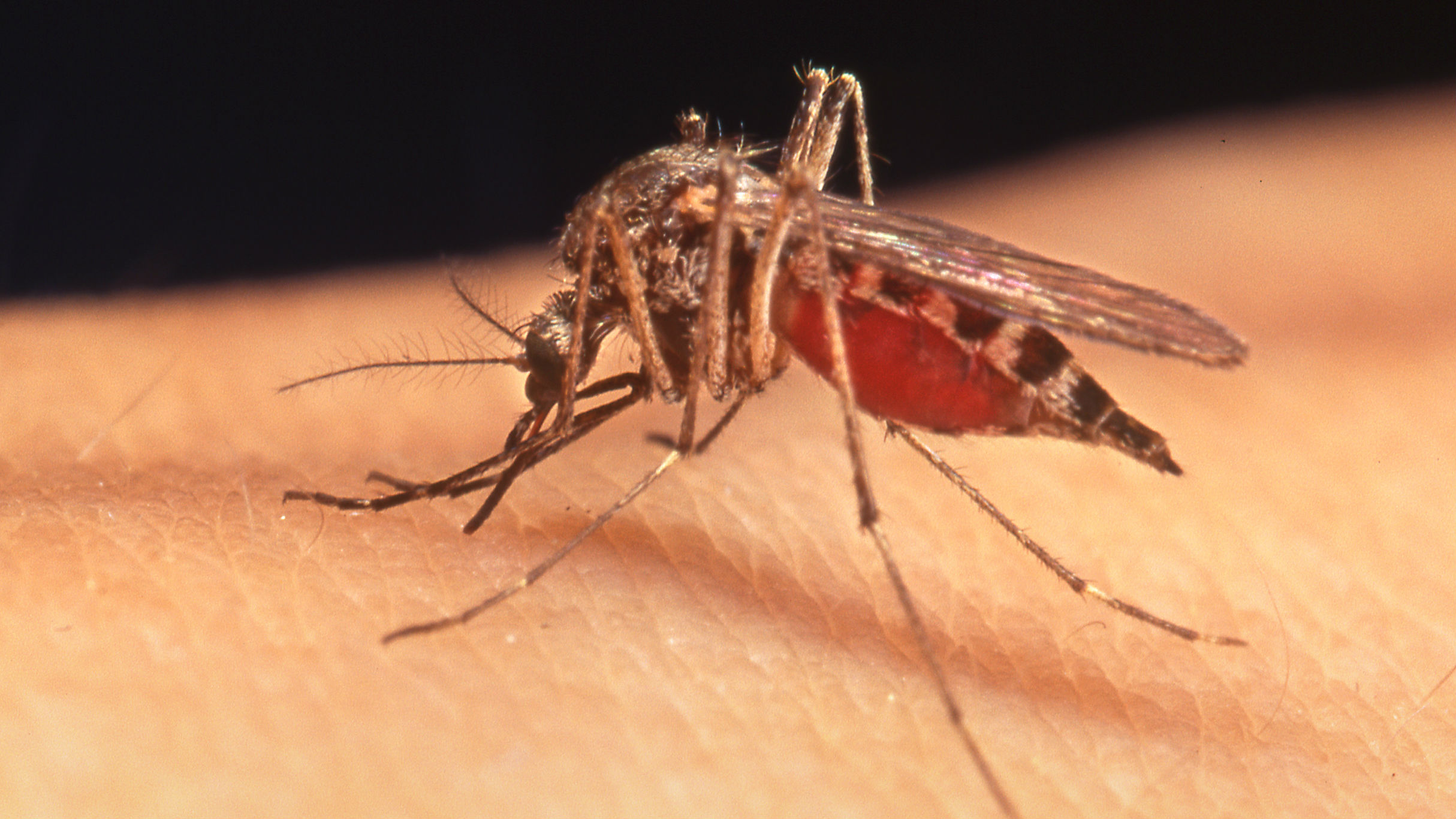

Dengue Fever is spreading across the Sunshine State, as three counties in Western Florida just declared a state of emergency due to unprecedented levels of the mosquito-borne illness.
One hundred ninety cases of locally acquired Dengue Fever have been reported across six counties according to the Florida Department of Health’s latest surveillance report. On Sept. 23, Pasco County declared the mosquito-borne viral infection a local state of emergency. Pinellas County and Hillsborough County followed suit the next day.
The state of emergency will last approximately one week.
“From the County’s perspective, our Mosquito Control team has increased surveillance, education and treatments in the impacted areas,” a Pinellas County spokesperson said in a statement to the Daily Caller News Foundation. “Residents should know that there have been 179 confirmed cases of dengue in the three-county Tampa Bay area, with Pinellas showing seven, based on last Friday’s DOH [department of health] report.”
The Florida Department of Health, Hillsborough County and Pasco County did not immediately respond to the DCNF’s request for comment.
The Centers for Disease Control and Prevention (CDC) has reported 392 cases for all of Florida as of Tuesday, that may have originated from travel. This is significantly higher than any other state. The next highest recorded number of cases on the CDC website is in California with 31 cases.
Florida’s warm tropical climate and abundance of lakes, ponds, and rain provides the ideal breeding ground for the mosquitos, Florida’s Environmental Pest Management states.
However, health experts say that several different factors could have contributed to the resurgence of the disease.
The impacts of Hurricanes Milton and Helene could contribute to “nonnative and invasive species to new parts of Florida and Georgia,” WFLA reported.