




Cash-Strapped Farmers Found A Money Stream, But Their Community Is Saying Not So Fast
A fight over renewable energy in rural Idaho has turned into a battle over private property rights, as farmers push local officials to overturn a ban preventing them from leasing their own land for large-scale energy projects.
Paris Apodaca · Oct 7, 2026 · 4 min read
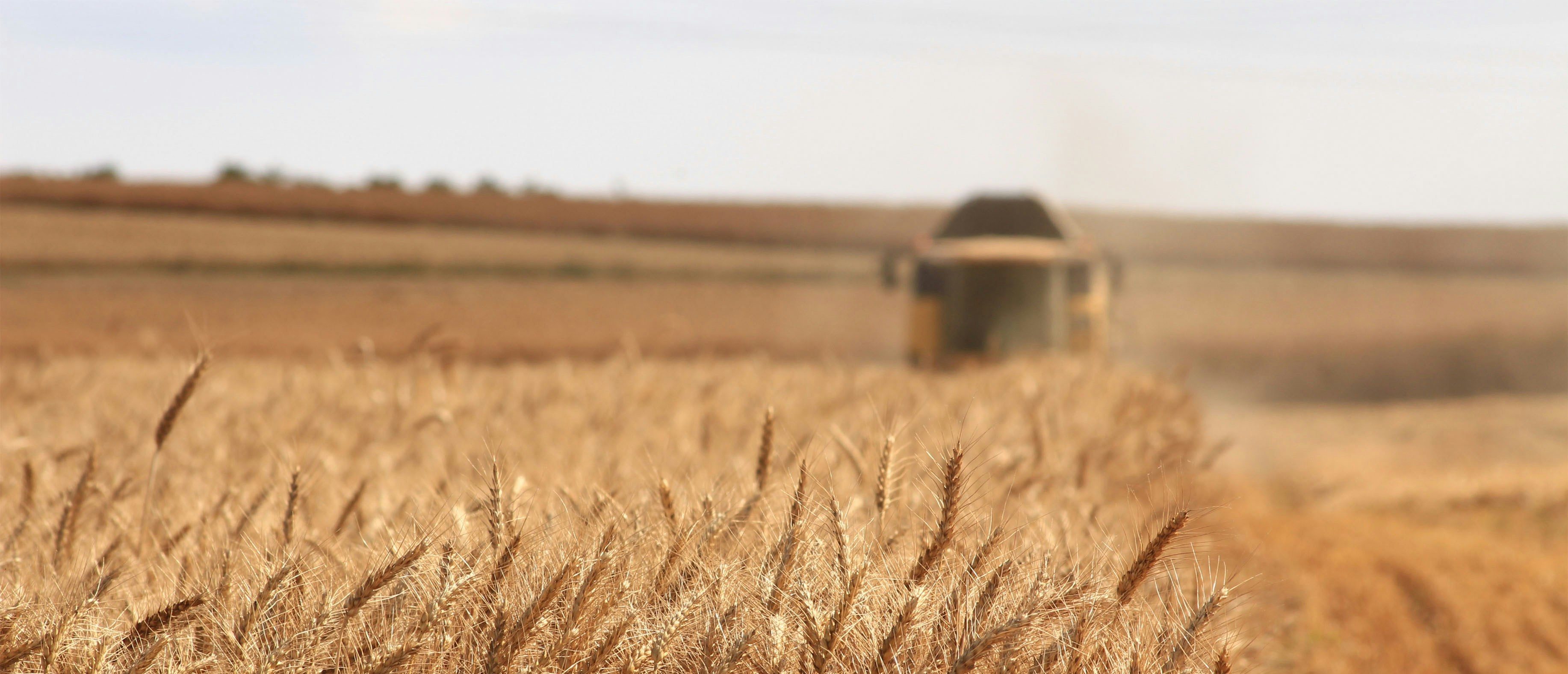

A fight over renewable energy in rural Idaho has turned into a battle over private property rights, as farmers push local officials to overturn a ban preventing them from leasing their own land for large-scale energy projects.
Bannock County currently bans large-scale solar, wind and nuclear energy projects, but officials are considering a new ordinance that would allow the projects through a conditional-use permitting process.
The dispute has created an unusual fault. Residents opposed to utility-scale solar have raised concerns about agricultural land, rural scenery and surrounding communities, while farmers interested in leasing their property have argued that the government should not determine how they can economically use their own land, according to county meeting minutes.
“I just don’t appreciate being told what I can or cannot do. I don’t want to get to a point of, like, Europe, where the government tells all the farmers what they can and cannot do with their land,” Lytton Bastian, a rancher in the Arimo/Downey area of Bannock County, Idaho told Daily Caller News Foundation.
Bannock County Commissioner Jeff Hough cast the lone vote against the county’s ban on large-scale solar and wind projects during a March 26, 2024, public hearing, arguing at the time that the restriction infringed on private property rights.
“If we allow the government to deny the opportunity for individuals to explore options, where does the insidious creep of government power stop?” Hough said during the 2024 hearing.
Hough, now chairman of the commission, has since pushed to reverse the ban and replace it with rules allowing solar, wind and nuclear projects through conditional-use permits. The county’s Planning and Development Council is set to hold a public hearing on the proposal Oct. 29 before sending a recommendation to commissioners, who are tentatively scheduled to consider the ordinance for adoption Nov. 19.
Hough did not respond to the DCNF’s request for comment.
It’s a matter of economics for some farmers, who face a bleak economic picture.