



‘Digger’ Turns A Page In The Postmodern Playbook Behind The Climate Narrative
In the 2026 postmodern climate apocalypse movie, "Digger," everyone gets to construct their own version of truth. One truth barely gets a hearing until the Texas oilman character is hauled before an imagined European tribunal and says the quiet part out loud
Paris Apodaca · Oct 4, 2026 · 5 min read
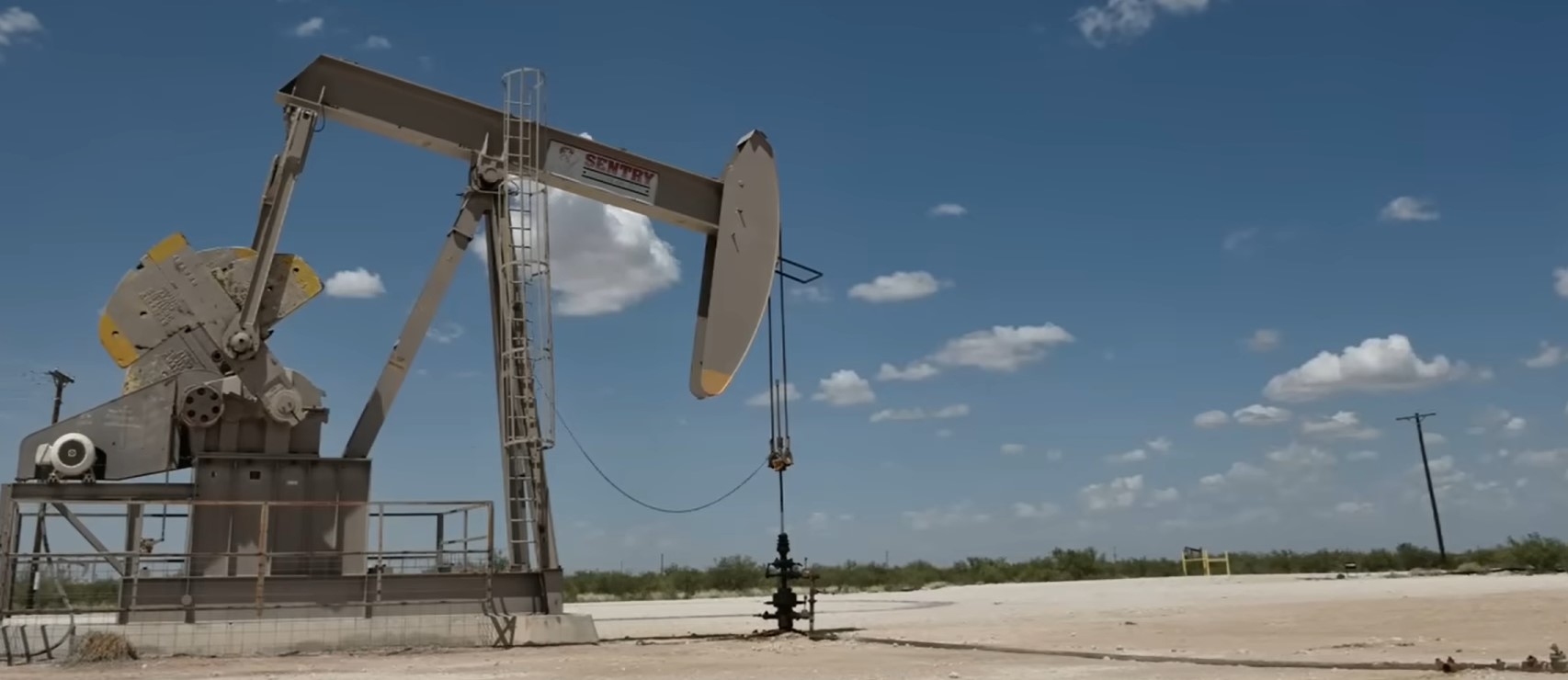

In the 2026 postmodern climate apocalypse movie, “Digger,” everyone gets to construct their own version of truth. One truth barely gets a hearing until the Texas oilman character is hauled before an imagined European tribunal and says the quiet part out loud.
Tom Cruise spends much of filmmaker Alejandro González Iñárritu’s bizarre climate satire swinging character Digger Rockwell’s granddaddy’s shovel, drilling for oil, and clutching a decomposing cat. The film is staged as a postmodern reading of reality — and the message is not subtle. Cruise’s Rockwell, a larger-than-life Texas oil tycoon assembled from nearly every cultural stereotype Hollywood keeps on the shelf for its fossil-fuel villain: obscenely wealthy, unapologetically Southern, aggressively Christian, and determined to keep drilling as catastrophe closes in.
Digger’s Christianity is treated with particular contempt. It is not a serious belief, in contrast to the complexity the film allows for its political narratives. It is another prop in the caricature: loud, provincial, vaguely ridiculous, attached to the oilman the audience has already been instructed to distrust.
“Digger” is not quite the movie it first appears to be. Much of Rockwell’s story is actually “Fossil Fuels,” a fictional theatrical production performed for an audience living in the climate-apocalyptic future it depicts. The exaggerated characters, absurd politicians, and theatrical world make more sense once the play-within-a-film construction/twist is revealed. Even the score seems in on the joke: a “White Lotus”-esque bounce under supposedly consequential moments turns impending catastrophe into an elaborate punchline.
Climate disaster becomes spectacle. Spectacle becomes theater. Theater becomes history. That is the postmodern argument, and it is not an accident of style. Postmodernism, following French philosopher Jean-François Lyotard’s suspicion of grand narratives and habit of treating knowledge as a function of power, denies there is a reality independent of the story told about it. Each character — politicians, climate activists, Rockwell — has their own truth. Actors construct one reality onstage while the audience inhabits another outside. Perspective competes with perspective, political narratives compete to define the world, and truth becomes difficult to separate from performance.
For a movie so occupied with constructed narratives, “Digger” grants its oilman with remarkable confidence. Rockwell is not merely an executive, but a nearly complete set of cultural signifiers — wealthy, Southern, Christian, oil-drilling — armed with his grandfather’s shovel. He does not simply need to be wrong; he needs to look like the kind of man the audience already knows is wrong. That is how postmodern politics works in practice: it claims all supposed truths are situated, then exempts its own caricature from scrutiny.
Then the caricature starts talking. Rockwell finds himself before a European assembly eager to condemn him for the environmental destruction his industry helped create. He does not deny their climate argument but turns it back on them: they demanded, he supplied.
For all of “Digger’s” obsession with competing truths, that scene’s speech comes closest to confronting a stubborn physical reality: the world uses oil. Companies do not produce millions of barrels of crude because executives enjoy watching pumpjacks move; they produce it because people pay them to. Oil moves cars, trucks, ships, and airplanes. Petroleum products run through manufacturing, agriculture, and ordinary life. The same societies that condemn fossil fuels demand cheap flights, overnight deliveries, and consumer goods shipped across oceans.
There is nothing inherently immoral about producing energy for profit. Abundant energy has been bound up with industrialization, economic development, and rising living standards. “Digger” treats participation in that system as something the audience ought to feel guilty about. Energy markets, like other markets, respond to demand. Politicians can condemn the producer. Protesters can condemn the producer. Hollywood can portray the oilman as a grotesque billionaire and parade him before an angry European tribunal. In any case, somebody still bought the barrel. Somebody still has to keep the lights on.