




EPA Shelves Biden’s Chemical Spill Rule Until 2030 And Strips Its Climate Mandates
The Trump administration is giving thousands of facilities that store hazardous chemicals near waterways three more years to plan for worst-case spills.
Simon August · Oct 9, 2026 · 5 min read
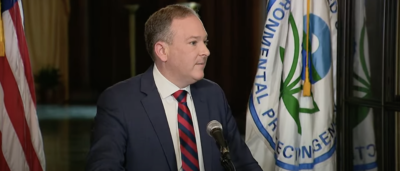

The Trump administration is giving thousands of facilities that store hazardous chemicals near waterways three more years to plan for worst-case spills.
The Environmental Protection Agency (EPA) moved the deadline for facilities to submit the plans from June 1, 2027, to June 1, 2030, in a final rule filed for public inspection Friday and scheduled for publication in the Federal Register on Tuesday. The rule also strips climate change and environmental justice language from the Biden-era requirements.
The 2024 rule requires onshore facilities that hold large amounts of hazardous substances within half a mile of navigable waters to plan for “the largest foreseeable discharge in adverse weather conditions” and submit those plans to the agency.
The EPA said in a statement to the Daily Caller News Foundation, citing its 2024 estimate, that the rule would apply to nearly 5,400 industrial and commercial facilities. The sectors the agency lists as potentially affected range from crop production and oil and gas extraction to chemical manufacturing, utilities, hospitals and gas stations.
Sewage treatment plants make up the largest group, with 1,082 facilities, followed by 727 farm supply wholesalers, 712 water supply and irrigation systems and 190 power plants, according to the EPA’s 2024 regulatory impact analysis.
The analysis found that 1,273 of the covered facilities, about 24 percent, are owned and operated by government entities, almost all of them public water or wastewater treatment plants. Those government facilities would face about $20 million a year in compliance costs, the analysis estimated.
“EPA is revising the compliance deadlines in light of serious concerns that facilities may be unable to comply with the relevant requirements by the existing deadline,” the agency wrote in the rule.
The EPA said it has not identified models that can account for the physical and chemical properties of each of the 296 hazardous substances the rule covers as they move over land and through water.
“EPA’s efforts to date confirm that the rule cannot be implemented absent a years-long effort to develop modeling and other tools necessary for compliance,” the agency wrote.