




EXCLUSIVE: State AGs Demand Investigation Into Credit Firms Accused Of Punishing Fossil Fuel States
Republican state attorneys general are asking federal regulators to scrutinize the big three credit rating agencies over allegations they continue relying on questionable climate assumptions when assessing financial risks, the Daily Caller News Foundation has learned.
Jack McGeever · Sep 24, 2026 · 4 min read
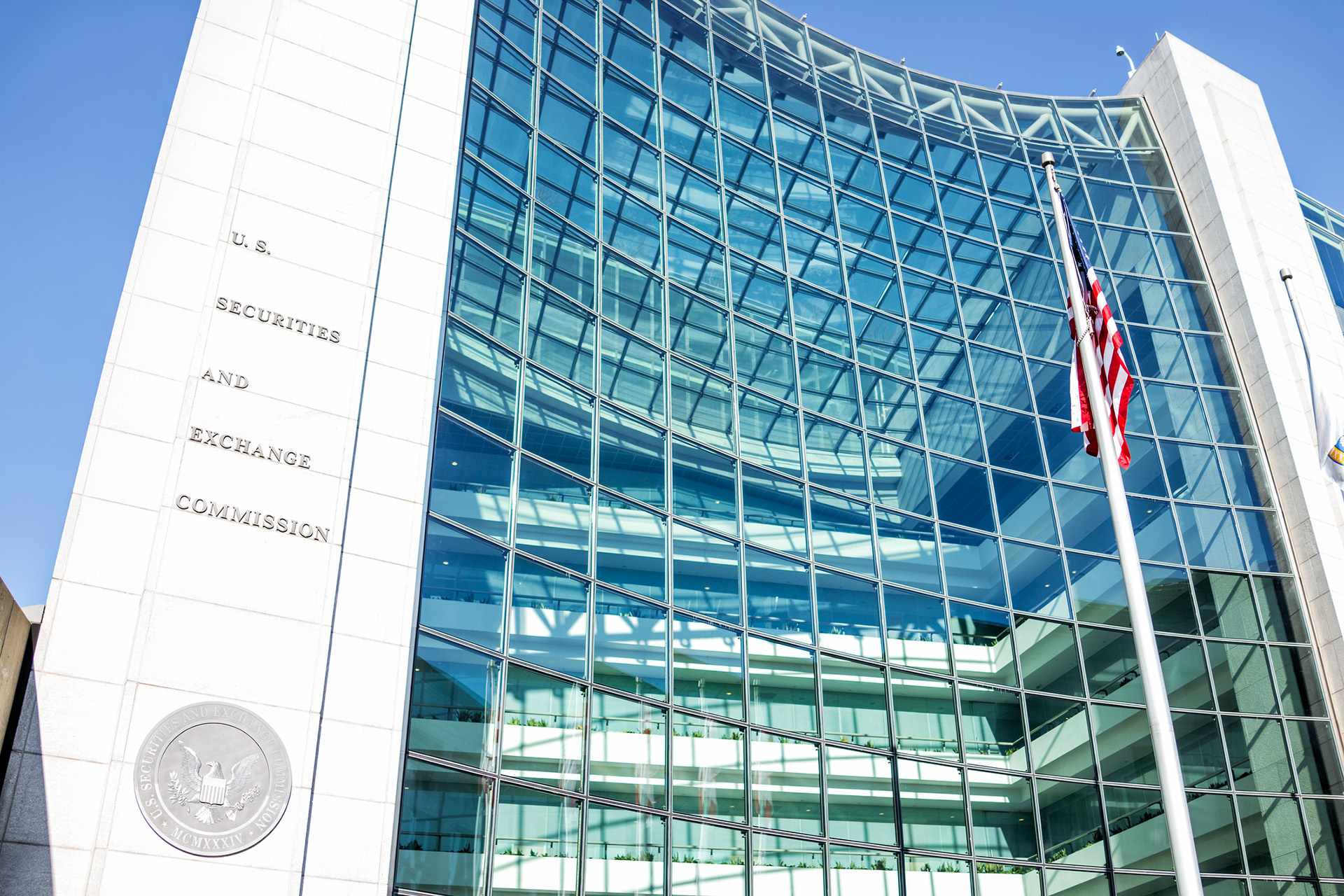

Republican state attorneys general are asking federal regulators to scrutinize the big three credit rating agencies over allegations they continue relying on questionable climate assumptions when assessing financial risks, the Daily Caller News Foundation has learned.
The Montana-led coalition argues in a letter to the Securities and Exchange Commission’s (SEC) Office of Credit Ratings that Moody’s, Fitch Ratings and S&P Global Ratings continue incorporating environmental, social and governance (ESG) considerations in ways that can affect fossil-fuel companies, industries and governments dependent on energy revenues.
The letter, first obtained by the DCNF, follows an earlier effort by 23 state attorneys general demanding the three agencies explain allegedly ESG-driven rating decisions. Republican Louisiana Attorney General Liz Murrill’s office said at the time that the coalition was questioning whether the agencies’ ESG policies complied with federal law.
Credit ratings assess a borrower’s ability to repay its debts, meaning a downgrade can increase borrowing costs and make bonds less attractive to some investors. The SEC recognizes Moody’s, Fitch and S&P as nationally recognized statistical rating organizations subject to federal oversight.
The latest letter focuses heavily on an August report from Moody’s examining how heat and water stress could affect businesses and financial institutions. The attorneys general argue Moody’s continued relying on RCP 8.5, short for Representative Concentration Pathway 8.5, a high-emissions climate scenario used to model potential future warming — even after researchers described that pathway as implausible under current emissions and energy trends.
Moody’s, Fitch, S&P Global and the SEC each did not immediately respond to requests for comment from the DCNF.
Moody’s described RCP 8.5 as one of several modeled pathways used to estimate how severe future physical climate risks could become and said its modeling could help insurers, lenders and investors stress-test their exposures, or gauge how they could perform under adverse conditions. The Moody’s report also considered the lower-emissions RCP 4.5 scenario in portions of its analysis, while using RCP 8.5 for some projections of future U.S. water stress.
Scientists have debated the proper use of RCP 8.5 for years. Researchers writing in Nature previously warned against treating the high-emissions pathway as the most likely “business-as-usual” outcome, while other research has described it as a useful high-end risk scenario rather than a central forecast.
The attorneys general also target a separate Moody’s estimate that physical climate risks could impose roughly $41.4 trillion in economic losses by 2050. Moody’s describes that figure as a potential global economic impact, equivalent to roughly 14.5% of global GDP, while the draft AG letter characterizes it as losses to U.S. GDP.