




Unemployment-Related Numbers Near Historic Lows. So Why Are Americans Fearful Of Future Job Market?
Americans grew increasingly fearful about the future of the job market even as unemployment remained relatively low and new applications for unemployment benefits fell to their lowest level in nearly six decades.
Jack McGeever · Sep 29, 2026 · 6 min read
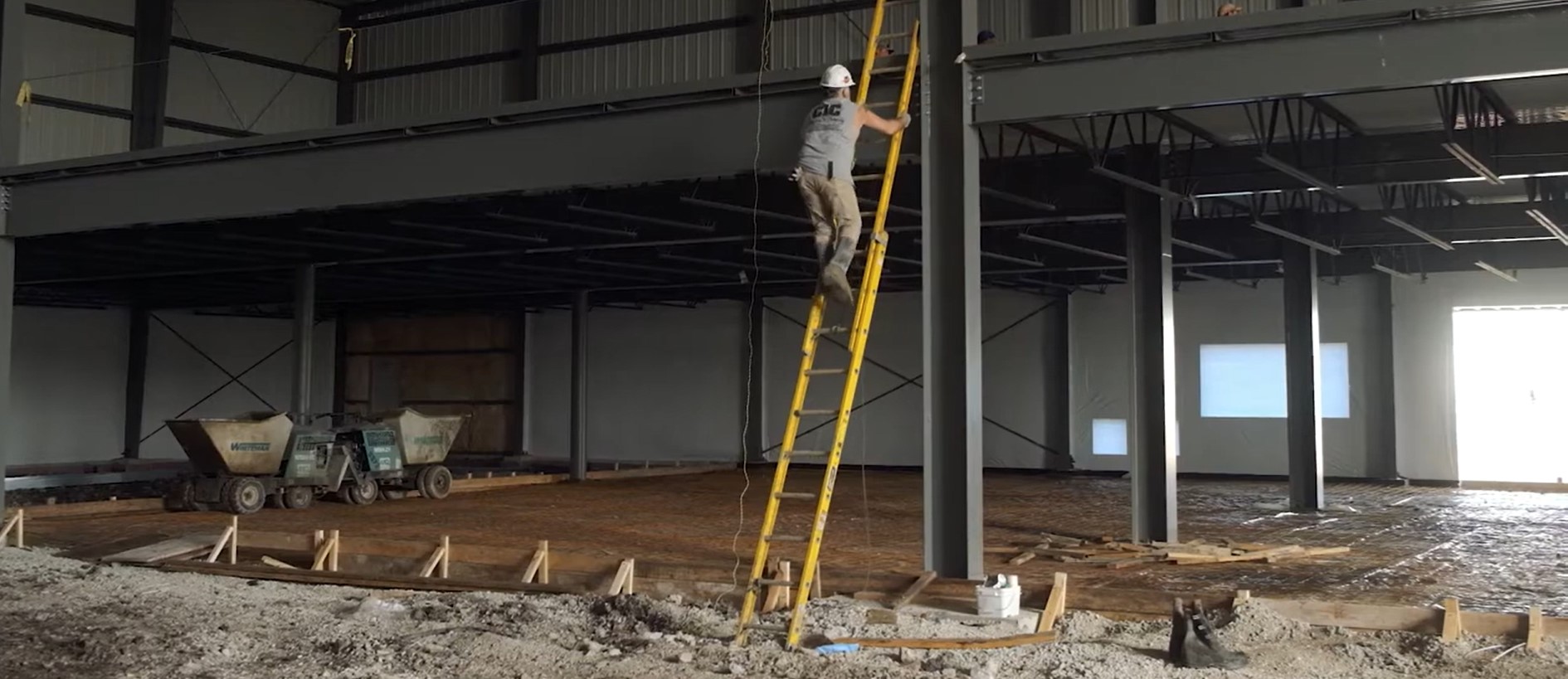

Americans grew increasingly fearful about the future of the job market even as unemployment remained relatively low and new applications for unemployment benefits fell to their lowest level in nearly six decades.
Workers confronted rapid advances in artificial intelligence, repeated corporate restructurings and growing doubts about how easily they could find another job if they lost their current one. The share of Americans expecting unemployment to rise over the next year climbed in August to its highest level since the depths of the COVID-19 pandemic, according to the Federal Reserve Bank of New York.
The apparent contradiction may reflect a growing divide between what is happening in the labor market today and what workers fear could happen next, Maruf Ahmed, CEO of staffing and workforce solutions company Dexian, told the Daily Caller News Foundation.
“Relatively low layoffs and high worker anxiety can exist at the same time because they’re measuring two different things: Layoff numbers tell us what has happened, while worker anxiety is increasingly about what could happen next,” Ahmed told the DCNF.
“Employees are watching AI change how work gets done and asking whether their role, or the skills they rely on today, will still be as valuable tomorrow,” Ahmed added.
The mean probability Americans assigned to the unemployment rate being higher a year from now rose to 44.4% in August, up 1.6 percentage points from July and the highest reading since April 2020, according to the New York Fed.
Actual unemployment, meanwhile, remained at 4.1% in August as employers added 162,000 jobs, according to the Bureau of Labor Statistics.
Applications for unemployment benefits were also historically low. Initial claims fell to 187,000 during the week ending July 18, their lowest seasonally adjusted level since September 1969, before rising to 197,000 during the week ending Sept. 19, according to the Department of Labor.
The combination resembles what economists have described as a low-hire, low-fire labor market: workers already holding jobs are relatively unlikely to lose them, while those attempting to enter the workforce or switch employers can face a more difficult search.