




US Closes Iraq Chapter After Thousands Dead And Trillions Spent
The United States is set to end Operation Inherent Resolve in Iraq by Wednesday, ending a U.S. military presence that has existed on and off for over two decades.
Francis Kapper · Sep 29, 2026 · 6 min read
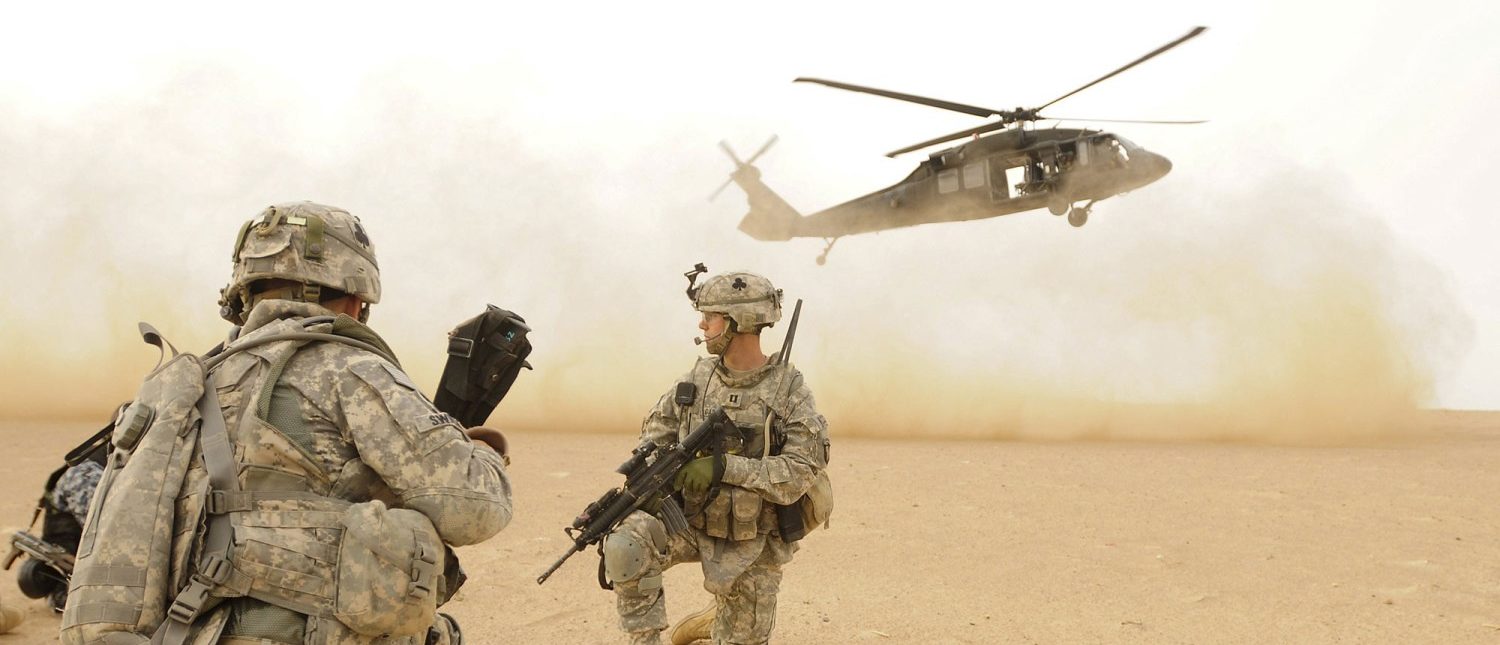

The United States is set to end Operation Inherent Resolve in Iraq by Wednesday, ending a U.S. military presence that has existed on and off for over two decades.
The withdrawal will shift primary responsibility for security inside Iraq to Iraqi forces while Washington and Baghdad transition toward a bilateral defense relationship, according to a Department of War press release from July. It will also remove a longstanding U.S. military presence from a country where Iran-backed armed groups remain powerful and where Iraqi and Kurdish officials have warned ISIS could exploit new security gaps, Reuters reported Tuesday, citing Iraqi security officials.
American forces first invaded Iraq in March 2003 and remained there through years of insurgency and sectarian violence before the U.S. combat mission ended and the final troops operating under Operation New Dawn withdrew in December 2011, according to the Defense Casualty Analysis System.
U.S. forces returned in 2014 after ISIS captured large portions of Iraq and Syria, beginning the campaign that became Operation Inherent Resolve. The mission later shifted from major combat operations toward advising and enabling Iraqi forces after ISIS lost control of its territorial caliphate, according to the Congressional Research Service.
Iraqi officials now argue their forces can handle the remaining terrorist threat without the coalition’s military presence. Iraq’s armed forces possess the manpower and competence to secure the country, with Baghdad’s remaining needs centered on advanced weapons and technology, a spokesman for Iraq’s commander-in-chief told the Iraqi News Agency in July.
The United States and Iraq are not severing their defense relationship. Baghdad has ordered the creation of a joint technical security committee to reshape the relationship around military technology, cybersecurity and other bilateral cooperation after the coalition mission ends, according to the Iraqi News Agency.
The withdrawal nevertheless leaves powerful Iran-aligned factions operating inside Iraq.
The terrorist group Kata’ib Hizballah receives training, weapons, funding, intelligence and logistical support from Iran’s Islamic Revolutionary Guard Corps-Qods Force and is the most influential faction inside Iraq’s Popular Mobilization Forces, the Treasury Department said in a September press release.
Kata’ib Hizballah and other Iran-aligned Iraqi militias have launched hundreds of attacks against American and coalition forces since February, including drone and rocket attacks on U.S. facilities, according to the Treasury Department.