




Chuck Colson's Prison Conversion
Watergate figure Colson prays in his car and writes Born Again.
FaithTap · Oct 7, 2026 · 12 min read
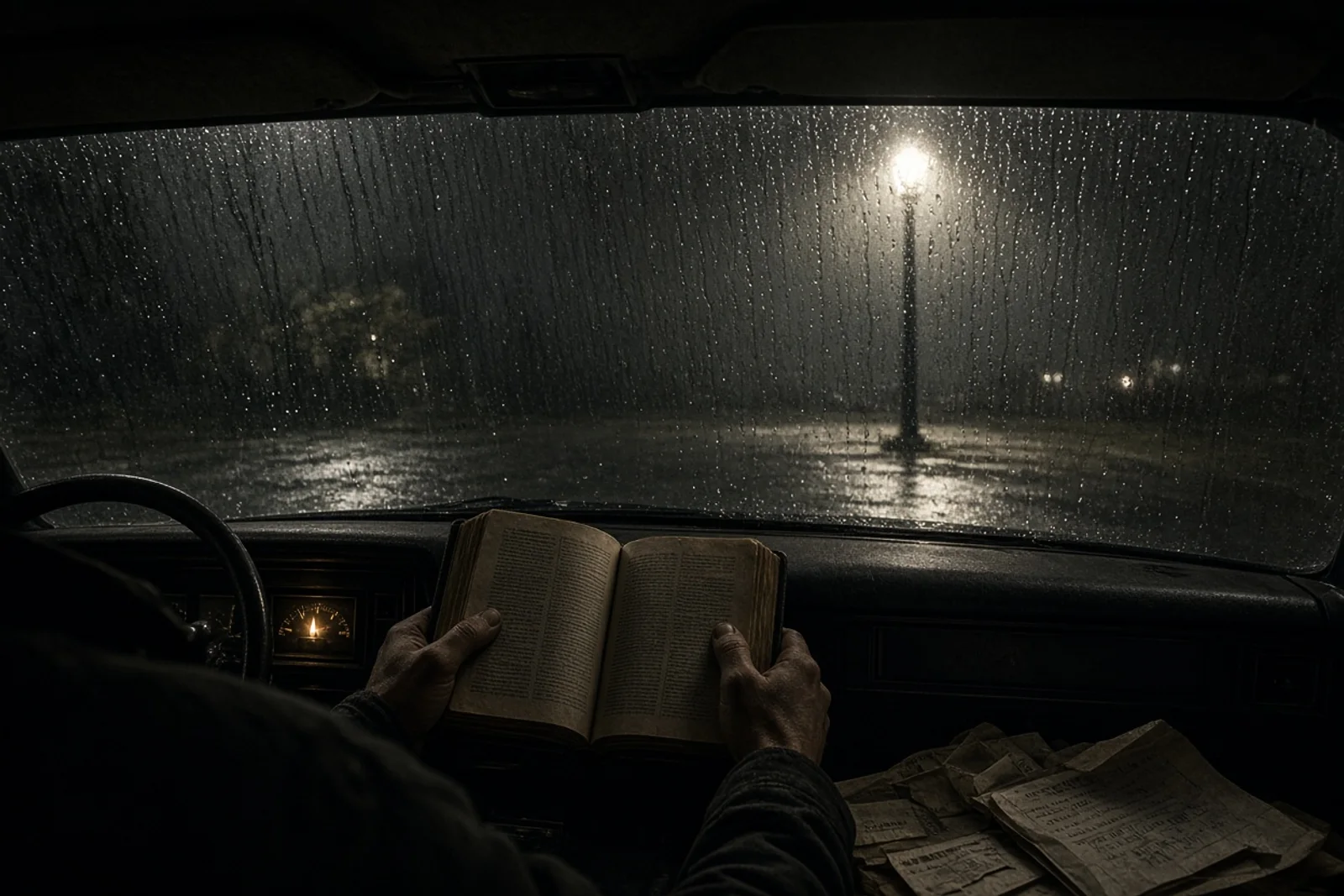
The headlights cut across the gravel drive as the car rolled to a stop in front of the house. I sat in the passenger seat, watching Chuck Colson kill the engine and stare at the steering wheel for a long moment before he opened the door. He had asked me to come along that evening because he needed someone who would not ask too many questions if the visit ran late. We both knew the reason he wanted to see Tom Phillips again after four years. Something had changed in Phillips, and Colson needed to know what it was before the next subpoena arrived.
Inside, Phillips met us at the door without the usual business handshake. He led us into the living room, offered coffee that neither of us touched, and then sat forward in his chair. Colson asked straight out what had happened to him. Phillips answered by reaching for a book on the side table. He opened it to a chapter on pride and began to read aloud. The words described a man who walks through life looking down on everything beneath him and therefore cannot see what stands above him. Phillips stopped after a page and closed the book. He said he had met Christ and could not go back to the way things had been.
We left after midnight. Colson said little on the way to the car. He slid behind the wheel and turned the key, but the engine stayed quiet because his hands did not move. I waited beside him in the dark. The only sound was the faint tick of the cooling motor. Then his shoulders started to shake. He folded his arms across the wheel and pressed his face into them. I heard him speak the name of Jesus once, then again, the words thick and broken. He stayed like that until the tears stopped. When he finally lifted his head he did not look at me. He started the car and drove us back without another word.
In the weeks that followed he began meeting with Douglas Coe and the small group that already included Harold Hughes and Al Quie. They prayed together in a room on Capitol Hill, sometimes until the night watchman came through. Colson still carried the weight of the indictments, but the conversations changed. He stopped talking about how to beat the charges and started asking what he owed for what he had done. The lawyers told him to stay silent. He told them he could not.
On the day he entered the plea he wore the same gray suit he had worn to the White House every morning for four years. The courtroom was half empty because most of the press had already moved on to the next hearing. He stood, answered the single question from the judge, and sat again. Seven months later the gates at Maxwell closed behind him. The first night he slept on a thin mattress under a light that never went off. In the morning he walked the yard with men who had never heard his name on the evening news.
He wrote letters from that cell every week. Some went to the men who had once worked for him. Others went to strangers who had written after reading the first stories about his conversion. When he came out he carried a list of names and addresses he had collected from the other inmates. He told anyone who would listen that the prisons would not change until someone on the outside decided to walk back inside on purpose.
The organization he started sent volunteers into every federal facility that would open its doors. Within ten years the same men who had once guarded him were calling to ask how many teams they could host in a single month. He never returned to the law firm. The royalties from the books went straight into the work, the same way the Templeton Prize money did later. He kept a single photograph on his desk of the car parked in Phillips’ driveway the night the engine would not start.
Years after the conversion I rode with him again, this time to a prison dedication in another state. The guard at the gate recognized him and waved us through without checking identification. Inside the chapel the inmates stood when he entered. He did not speak about Watergate. He spoke about the night he could not drive home and the book that had been read to him in a living room. When the service ended he stayed behind to shake hands with each man. The last one in line asked if the story was true. Colson nodded once and said the only part that mattered was that the car had stayed where it was until the prayer was finished.
The man at the end of the line gave his name as Robert Ellis and said he had read the letter Colson sent from cell 14 at Maxwell in March 1975, the one that mentioned the exact page in C. S. Lewis where pride is described as the anti-God state of mind. Ellis asked whether the same book had been opened in Phillips’s living room on that night in 1973. Colson answered that it had been Mere Christianity, chapter 8, and that Phillips had read the paragraph beginning “Pride gets no pleasure out of having something, only out of having more of it than the next man.” Ellis then asked if the same words had been read inside the chapel at the Federal Correctional Institution in Danbury on 28 June 1976, the day the first Prison Fellowship volunteer team entered a federal facility under the agreement Colson signed with Bureau of Prisons Director Norman Carlson. Colson said they had, and Ellis folded the paper he had been holding and placed it in Colson’s hand without another word.