


Lee Strobel Examines the Case
Atheist journalist uses reporting skills on Gospels.
FaithTap · Oct 6, 2026 · 11 min read
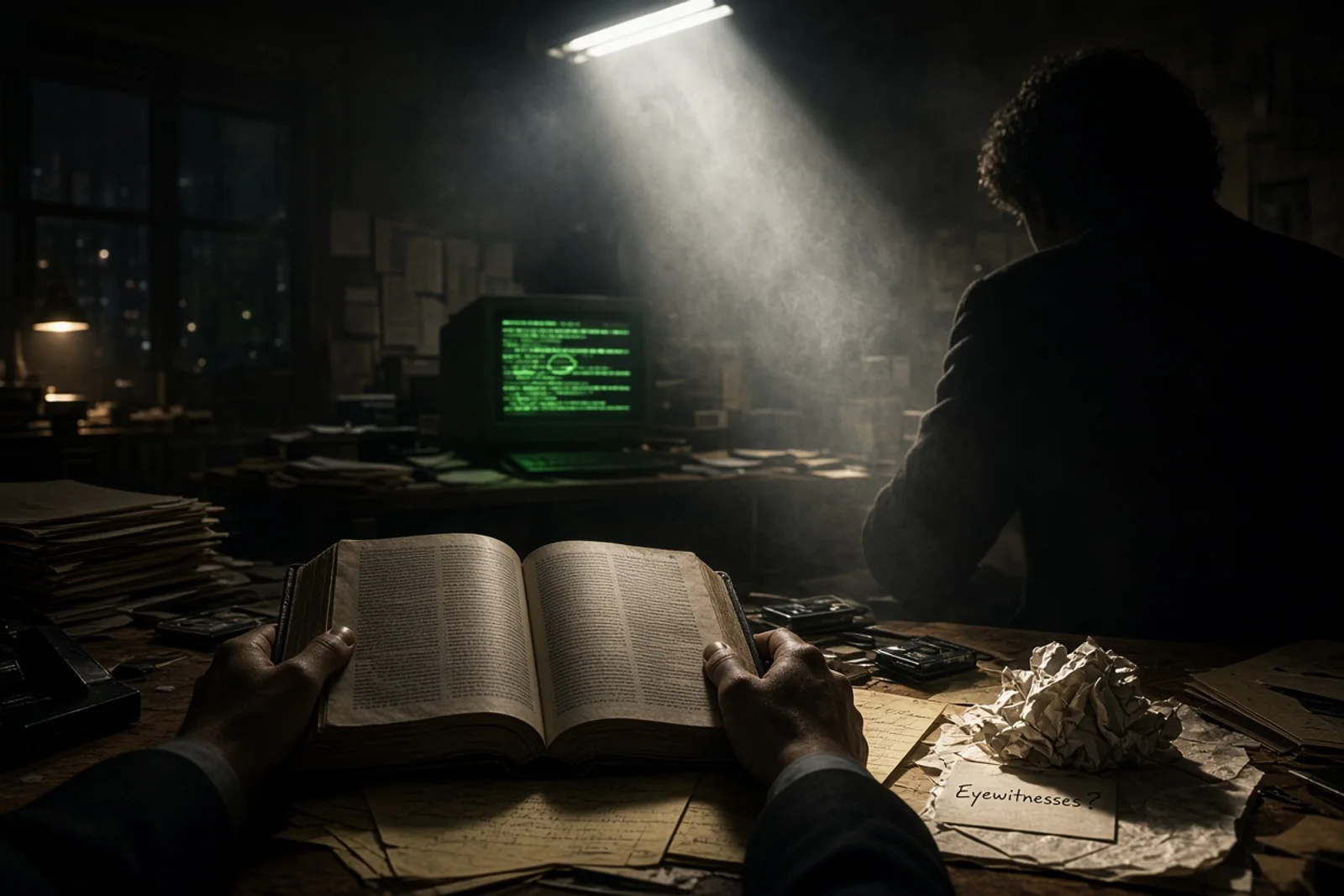
The city desk phone rang at 3:17 a.m. and I picked it up because nobody else would. It was Strobel on the other end, voice low, asking if I still had the key to the morgue files. He needed the old police reports on a certain 1970s homicide case, the one with the disputed witness statements. I told him the building was locked but I could meet him at the side door in twenty minutes. He hung up without saying thanks.
We walked the long hallway past the dark composing room. Strobel carried a legal pad already half filled. He had been at this for weeks, pulling every book on the resurrection accounts that the seminary library would lend him. Most nights he left the Tribune building after midnight with the same stack under his arm. The legal affairs editor slot had come with a raise and a better desk, yet he looked thinner every time I saw him.
Leslie had started going to church the previous spring. At first he treated it like a temporary phase, the way some people pick up jogging. Then she brought home a Bible with her name in gold on the cover and left it on the kitchen table. He told me once over coffee that he had tried to argue her out of it on the drive to the grocery store and she had simply turned up the radio. After that he stopped arguing at home.
He began with the synoptic problem because that was the part he could attack with footnotes. One afternoon he spread three Greek New Testaments across the break-room table and asked me to read a paragraph aloud while he checked the differences. I stumbled on the verb tenses. He corrected me without looking up. The other reporters gave the table a wide berth after that.
By August the notes had spilled onto the floor of his car. He kept a separate folder for each expert he planned to contact. The names were written in block letters on the tabs: Craig Blomberg, Bruce Metzger, Edwin Yamauchi. He scheduled the calls during his lunch hour so the paper would not have to pay for the long-distance time. I heard him once through the half-open door of the conference room, voice steady as he asked a professor in North Carolina whether any first-century writer outside the New Testament mentioned the empty tomb.
The night he drove out to the neighbor’s condo he came back with a different kind of silence. Linda had shown Leslie how to pray in the kitchen while the kids watched television in the next room. Strobel stood in the doorway and did not interrupt. When he told me about it later he only said the woman kept a stack of tracts on the counter like most people keep mail.
He started carrying a small tape recorder to the interviews. The machine clicked every time he flipped the cassette. One scholar asked him on the record whether he was doing this for a story or for himself. Strobel answered that he was doing it because the evidence had to be tested the same way a court tests testimony. The scholar let the answer sit without comment.
Winter came early that year. The newsroom radiators hissed and the windows fogged. Strobel kept the same routine: arrive early, make calls, type his court stories, then stay until the cleaning crew arrived. One morning I found a page of his legal pad left beside the coffee machine. It listed three contradictions in the resurrection accounts and then, lower on the page, a single question in smaller handwriting: What if the contradictions are what you would expect from independent eyewitnesses?
He met with his father that December. The conversation was short. When he returned to the office the next day he did not mention it, but the edge in his voice when he dictated corrections to the copy desk was gone. He began staying later on Sundays instead of heading home after the first edition.