




The Story of the First Heart Transplant Patient
Louis Washkansky receives new heart and hope
FaithTap · Oct 7, 2026 · 11 min read
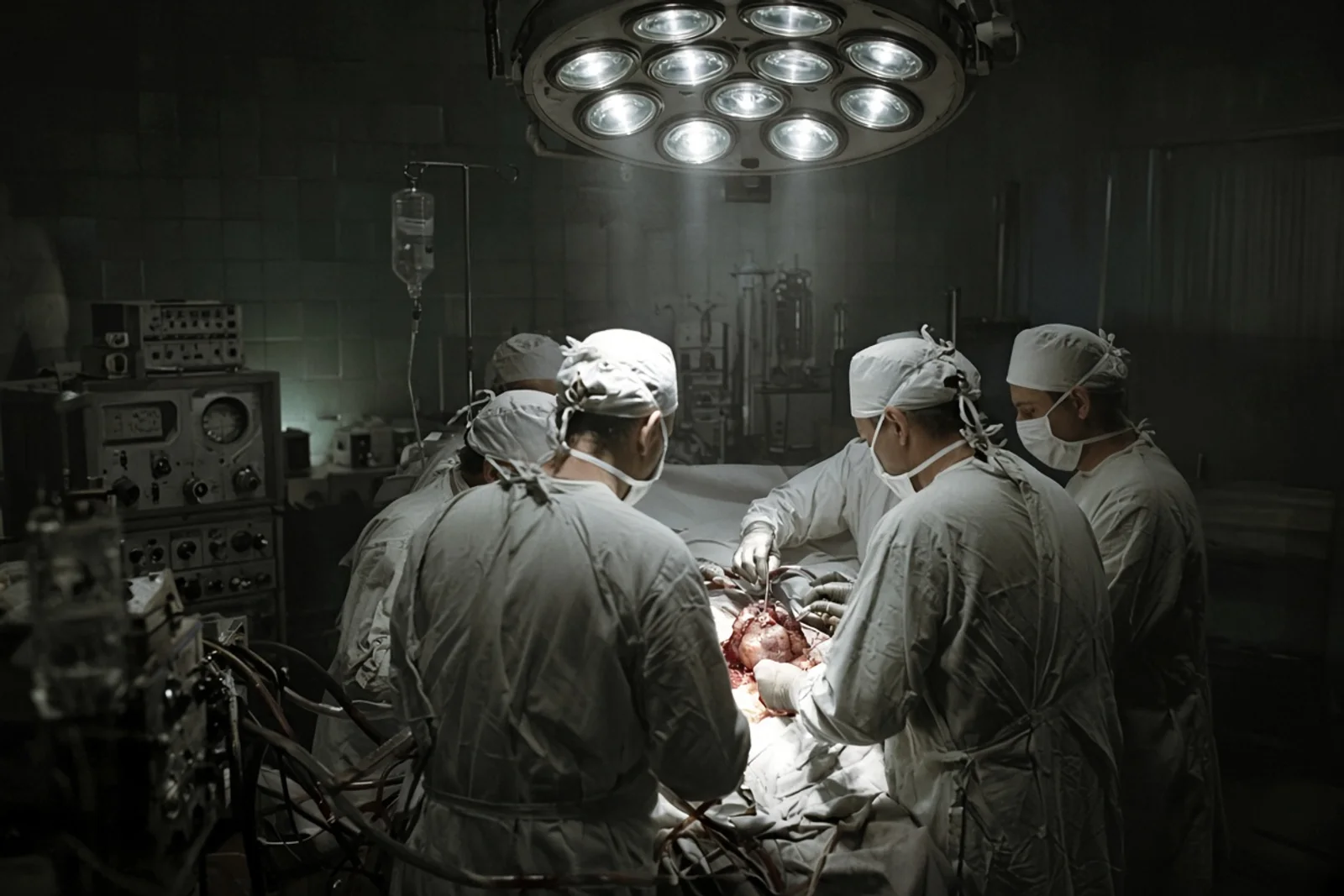
I was folding gauze in the theater supply room when the call came through from the ward. Washkansky had worsened again. His legs were swollen to the point that his skin looked ready to split, and the oxygen mask barely kept his color from turning the color of old paper. I had seen him twice that week already, once when he tried to joke about the sea air in Sea Point not reaching his lungs anymore. The second time he said nothing at all, just watched the ceiling with eyes that had stopped tracking visitors.
Word of the accident reached us before the ambulance. A green Anglia, a family heading for tea in Milnerton, a car that did not brake in time on the Main Road in Observatory. The mother was gone at the scene. The daughter, Denise Darvall, twenty-five, arrived with a crushed skull and no response to light. By late evening the neurologists had finished their tests. Edward Darvall, the father, sat alone in a side room. He agreed to the donation before anyone finished explaining the paperwork.
Barnard had already spoken with Washkansky earlier that day. The patient lay propped at forty-five degrees because anything flatter made him fight for air. He listened, asked two questions about pain after the operation, then nodded. Professor Schrire had already confirmed there was no other route left. The cardiology notes described a heart that had been destroyed by repeated infarcts. Washkansky understood he was choosing the only remaining chance.
We began moving equipment at eleven that night. The heart-lung machine stood ready, its coils primed with fresh blood from the transfusion service. The immunologists had run the matching panels twice. No one spoke much. The corridors smelled of floor polish and the faint metallic edge that always came off the sterilizers.
Denise Darvall was brought down first. Her heart was still beating when they wheeled her into the adjacent theater. The respirator kept the lungs moving, but the brain had already stopped. I stood at the door between the two rooms and watched the line on the monitor stay flat across the top. At one in the morning they cross-clamped the aorta and the heart stopped. Within minutes it was on the table in front of Barnard, pink and still warm.
Washkansky was already open. His own heart looked gray and slack, barely moving. The team worked under the big lights without raising their voices. Every few minutes the anesthesiologist called out pressures and temperatures. I passed instruments when asked and kept the suction clear. The new heart went in at three forty. They released the clamps and waited. The first beat came irregular, then steadied into a rhythm that filled the monitors.
By five fifty the chest was closed. Washkansky was still on the ventilator, but color had returned to his face and hands. Someone opened the theater doors and let cooler air in. We wheeled him to the recovery area just before six.
For the first three days he asked about the donor family. He wanted to know whether flowers had been sent. On the fourth day he sat up for ten minutes and drank weak tea. The nurses kept the room at eighteen degrees and changed the dressings every four hours. Rejection drugs were given on schedule; blood levels were checked twice daily.
On day nine he walked the length of the corridor with two orderlies beside him. He stopped at the window and looked toward the mountain. His voice was still hoarse from the tube, but he said the air felt different inside his chest. By day twelve the newspapers had begun arriving in stacks. Photographers waited outside the main gate. Barnard came in each morning and listened to the new heart with a stethoscope that had belonged to his father.