




Whittaker Chambers Leaves Communism
Former spy finds faith through children and Bible.
FaithTap · Oct 6, 2026 · 10 min read
I reached the ridge above Pipe Creek just after dawn, the frost still white on the fence posts and the air sharp enough to sting the lungs. The truck coughed its last as I pulled in behind the barn. A woman stood at the kitchen door with a shawl over her shoulders, two small children clinging to her skirt. She did not wave. She only watched the road the way a person watches for something already expected.
Esther Chambers let me inside without questions. The house was plain, the stove already lit, coffee on the table. Whittaker sat at the far end with a newspaper open but unread. He looked thinner than the last time I had seen him in the city, the lines around his mouth deeper. The girl, Ellen, was four. The boy, John, was not yet two. They ate bread and butter in silence while their father stared at nothing.
Word had reached the city weeks earlier that he had walked away. No announcement, no meeting. One day the apartment stood empty. Grace Hutchins had gone looking. She found Reuben Shemitz instead and told him the party would guarantee the safety of the wife and children if Whittaker came back into reach. Reuben passed the message on. No one answered it.
By the time I arrived the threat had already changed the air inside the house. Esther kept the curtains drawn even in daylight. She carried the boy on her hip when she went to the well and checked the lane twice before she let the children play outside. Whittaker spent mornings splitting wood behind the barn, the axe rising and falling in steady rhythm. He spoke little. When he did, the sentences stopped short, as if he were testing each word before it left his mouth.
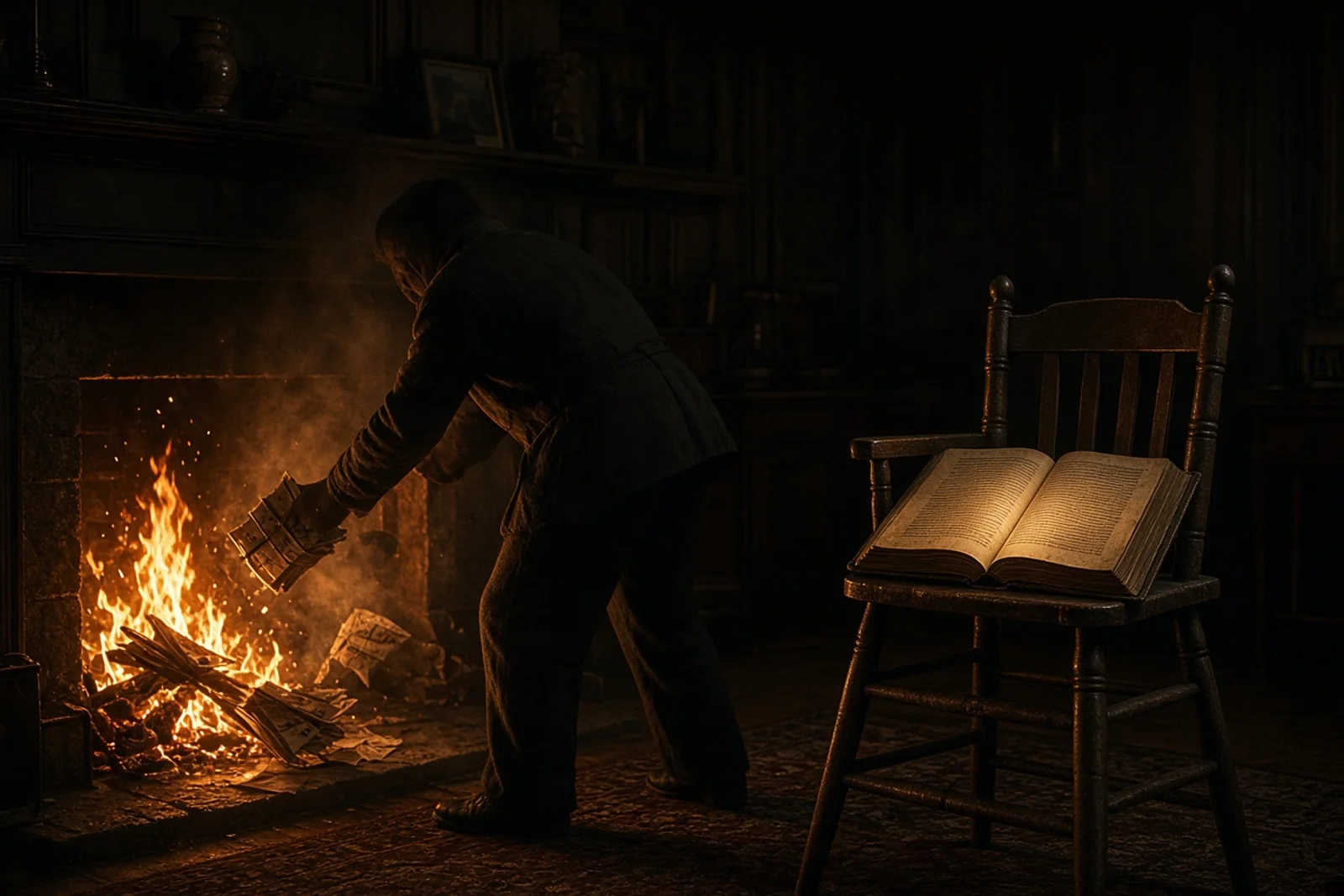
One evening the rain came hard. The children slept in the back room. Esther lit the lamp and set a thick book on the table between us. It was not the kind of book that had lain around the apartments we once knew. The pages were worn at the edges. Whittaker opened it without ceremony and read aloud, his voice low so it would not carry. The words were old and plain. He stopped after a few verses and closed the cover. No one explained why the book was there. No one needed to.
Days passed that way. The farm work kept us moving—milking, feeding, mending fence. Esther managed the accounts with a pencil stub and a ledger she kept in the kitchen drawer. Whittaker took the boy into the fields when the weather held. Once, when the child stumbled and fell, Whittaker lifted him without a word and carried him the rest of the way back. The look on his face was not the one I remembered from the old days in New York.
News of the purges kept arriving in folded letters and whispered visits. Names we had once repeated like passwords now appeared in accounts of trials and executions. Whittaker listened but did not argue. He asked only whether anyone had seen certain men lately. The answers were always the same. The men were gone.
By late fall the leaves had turned and the first hard frost had killed the garden. Esther stood at the window one morning and said the children could not stay hidden forever. Whittaker nodded. He did not say where they would go or what he would do when they left. He only folded the newspaper and placed it in the stove.
I stayed through the winter. The work was steady and the silence between us grew easier. On clear nights Whittaker sometimes walked the lane alone, the lantern swinging at his side. He returned with snow on his boots and sat by the stove until the house warmed again. Esther kept the Bible on the table. She never asked him to read, yet the book stayed open more often than not.