


William Wilberforce's Clapham Conversion
Parliamentarian Wilberforce meets John Newton and commits to abolition.
FaithTap · Oct 9, 2026 · 12 min read
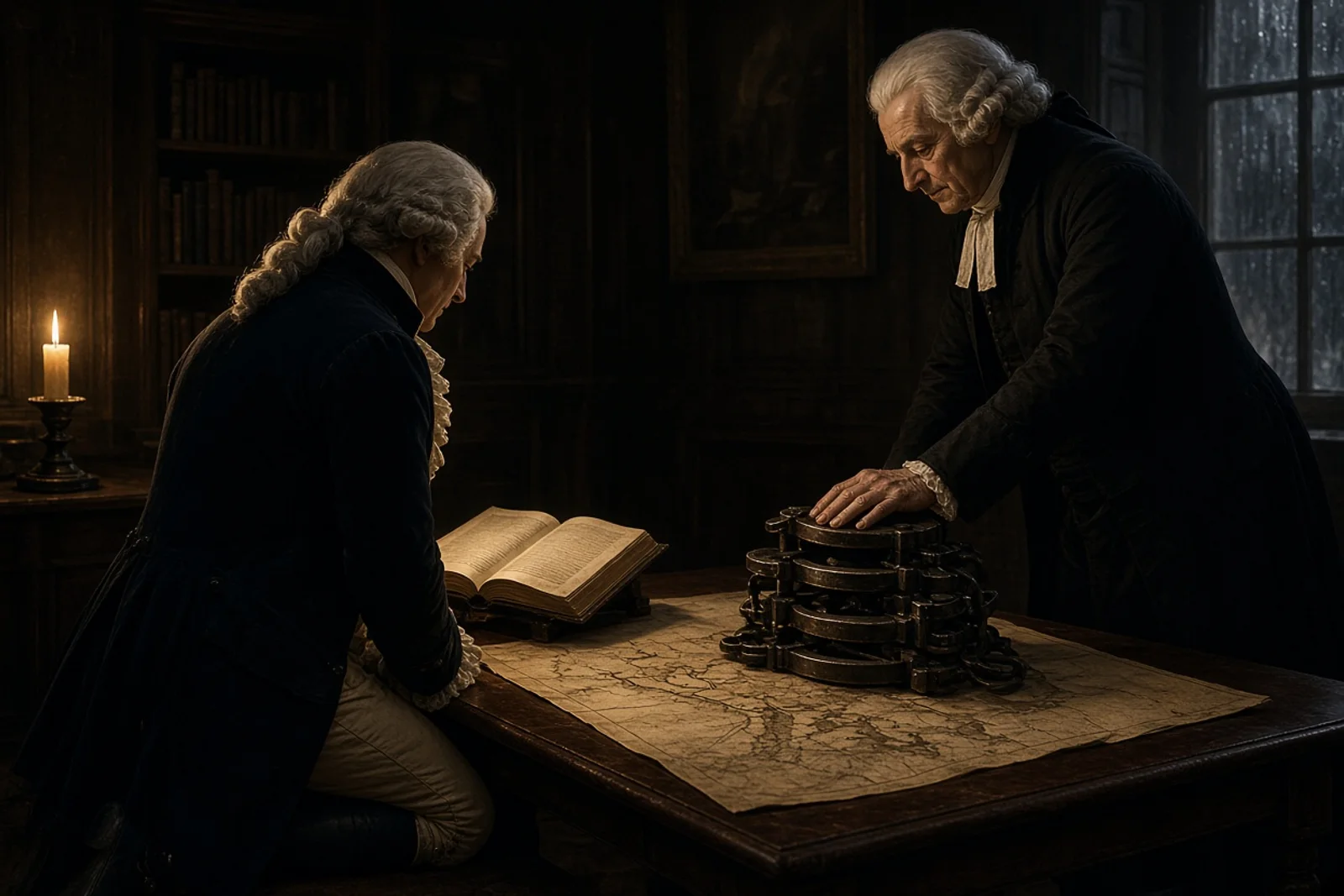
The coach wheels rattled over the cobbles as we returned from the continent that autumn, and Wilberforce sat opposite me with a map of the Alps unfolded on his knees. He traced routes with one finger but his eyes kept drifting to the passing fields. Isaac Milner rode beside us most days, arguing points of doctrine until the lamps were lit. Wilberforce listened without the quick interruptions that had once marked his talk in the Commons.
We reached London in the first week of November. He took rooms near the river and sent word that he would not attend the usual gatherings. One evening he asked me to walk with him toward the City. The streets were already dark. He stopped outside St Mary Woolnoth and stood for several minutes without speaking. Then he went inside alone.
I waited on the steps. When he came out his face had changed, though he said little. He mentioned only that Newton had been at the desk in the vestry and had asked after his father’s old connections in Hull. The next morning Wilberforce sent a note asking Newton to call. The rector arrived in the afternoon, his coat still carrying the smell of the vestry fire. They spoke for nearly two hours behind a closed door. I heard nothing through the paneling except the low rise and fall of Newton’s voice.
After that meeting Wilberforce began to keep different hours. He rose earlier and read for longer stretches than the political papers required. He declined invitations to the clubs where he had once been the center of conversation. When we met friends from the Yorkshire interest he still answered with the same courtesy, yet the laughter that followed his replies sounded thinner.
Newton visited again before the month ended. This time they walked together along the river wall. Wilberforce returned alone and told me he had been advised against any sudden retreat from Parliament. The words came out flat, as though he were repeating an order he had not yet decided to obey. He kept his seat for Yorkshire and continued to attend the House, but the evenings he once spent at cards or in the theater were now given to correspondence with men whose names I had not heard him mention before.
By the following spring he began to spend more time south of the river. The houses around Clapham Common drew him on weekends when the session allowed. Henry Thornton’s table became a regular place. John Venn had not yet taken the rectory, yet the circle already formed around the same few families. Wilberforce arrived with papers on trade and left with tracts on the conditions of enslaved people in the islands. He read them aloud in the evenings without the ironic tone he had once used for every serious subject.
The first time he spoke in the House on the African trade came in 1787. He gave notice after a conversation with Pitt and Grenville that lasted late into the night. The room where they met was small and overheated. Wilberforce stood by the window while the others remained seated. He did not raise his voice, yet the decision carried through the building before morning. From that point the work never left his desk. Petitions arrived in bundles. Evidence was collected in ledgers that grew thicker each quarter.
He still suffered the same fevers and eye strain that had troubled him for years. The difference was that he no longer treated them as reasons to pause. When the campaign met resistance in the Lords or from the West India interest, he returned to Clapham and reviewed the next set of witnesses. Newton’s letters continued to arrive, short and direct, reminding him that the same Parliament that passed navigation acts could also restrain the holds of slave ships.
The circle widened. Granville Sharp brought maps of the proposed settlement at Sierra Leone. Zachary Macaulay kept records of every vessel that cleared for the coast. Wilberforce moved between these men and the chamber without apparent strain, though those who had known him longest noticed the absence of the old lightness. He remained capable of sudden humor in private, yet the humor now served to keep the work moving rather than to fill an evening.