Atlantic slave trade.
slave trade across the Atlantic Ocean during the early modern period (late 15th century to the early 19th century)

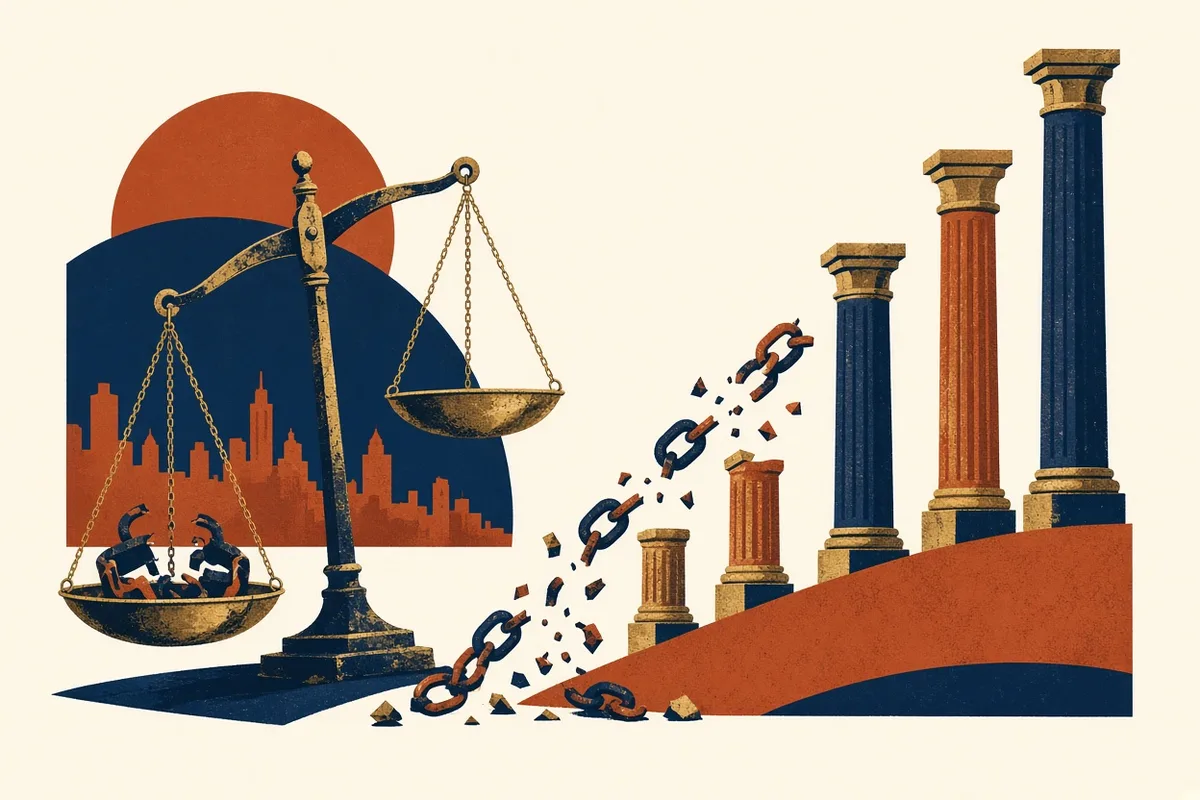
UN panel says slavery reparations are now a legal obligation
A UN committee’s General Recommendation 40 declares that states must implement comprehensive reparatory measures for people of African descent affected by the transatlantic slave trade, encompassing monetary, non-monetary, and structural remedies and marking a shift from historical responsibility to present obligations. The guidance urges actions such as restitution, rehabilitation, commemoration, truth-telling, and broad institutional reforms to address ongoing racial discrimination and disparities rooted in slavery.
World · 7 sources · Aug 31, 2026Read itThe journal
Open the journal →The conversation starts in the journal — be the first to post.
About Atlantic slave trade
The Atlantic slave trade or transatlantic slave trade involved the transportation by slave traders of enslaved African people to the Americas. This trade was operated by slave ships from both Europe and the New World. Some voyages used the triangular trade route and its Middle Passage, particularly in the early phases. Europeans established a coastal slave trade in the 15th century, and trade to the Americas began in the 16th century, lasting through the 19th century. Most transported in the transatlantic trade were from Central and West Africa. In contrast to other slave trades, those taking slaves from Africa generally bought their cargo from West and Central African slave merchants. This applied to Europeans in the transatlantic trade and Arab slave traders supplying their own markets. While Europeans were involved in some raiding, this was uncommon and discouraged. The Portuguese built barracoons in their African slaving bases to gather newly purchased captives ready for the next ship to arrive. Northern Europeans operated some forts as African bases, originally for trading in gold, but later for slaves. However, the usual approach of North European slave traders was to use their ship as a base in which to gather their cargo. This meant these ships spent much longer on the African coast than Portuguese vessels, and the first slaves the slavers bought endured longer confinement on board.
Everything about Atlantic slave trade →