
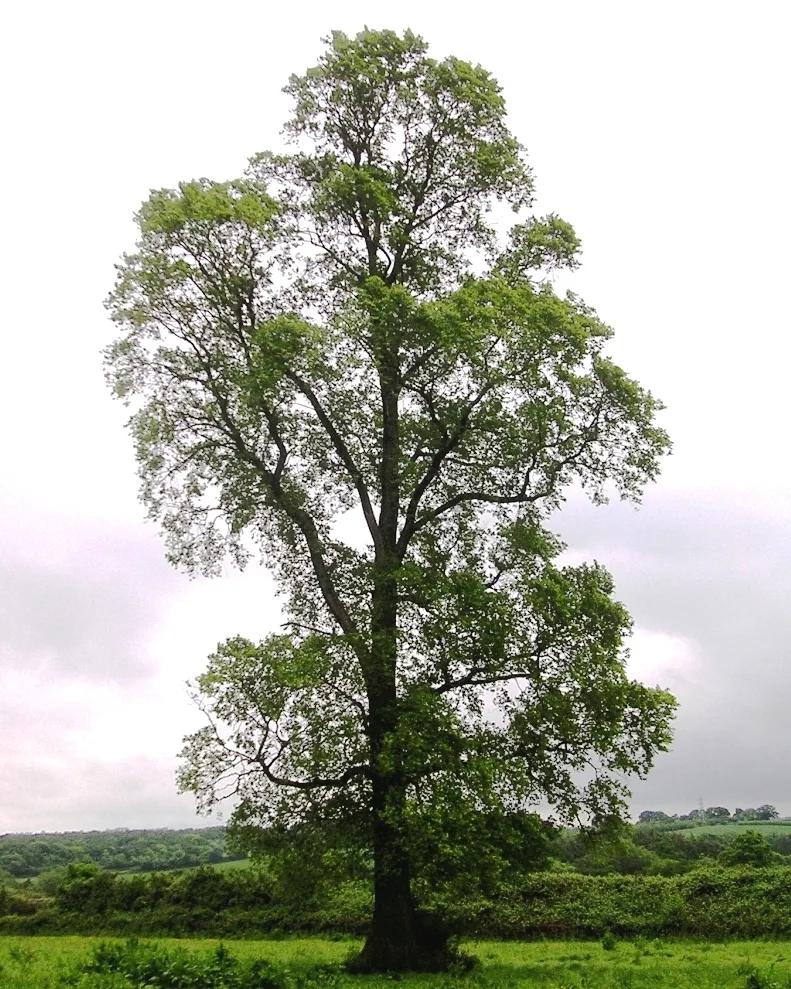
Scientists inject 6,000 elms to breed disease-tolerant stock
U.S. researchers are using Dutch elm disease to breed and restore American elm trees, injecting thousands of young elms to test disease resistance and then propagating survivors for seed orchards and future reforestation. This effort is part of a broader push to protect forests from pests and pathogens that threaten biodiversity and hydrology, including challenges to other species like ash trees.
Science · 5 sources · Aug 31, 2026Read itThe journal
Open the journal →The conversation starts in the journal — be the first to post.
About Dutch elm disease
Dutch elm disease is caused by an Ascomycete fungus that kills elm trees, and is spread by elm bark beetles. Believed to be originally native to Asia, the disease was accidentally introduced into America, Europe, and New Zealand. In these regions it has devastated native and exotic populations of elms that did not have resistance to the disease. The name "Dutch elm disease" refers to its identification from 1921 onwards in the Netherlands by the Dutch phytopathologists Christine Buisman and Marie Beatrice Schol-Schwarz, who both worked with Johanna Westerdijk. The disease affects multiple species in the genera Ulmus and Zelkova, and is carried from tree to tree by any of several species of beetle, especially bark beetles of the genus Scolytus.
Everything about Dutch elm disease →