
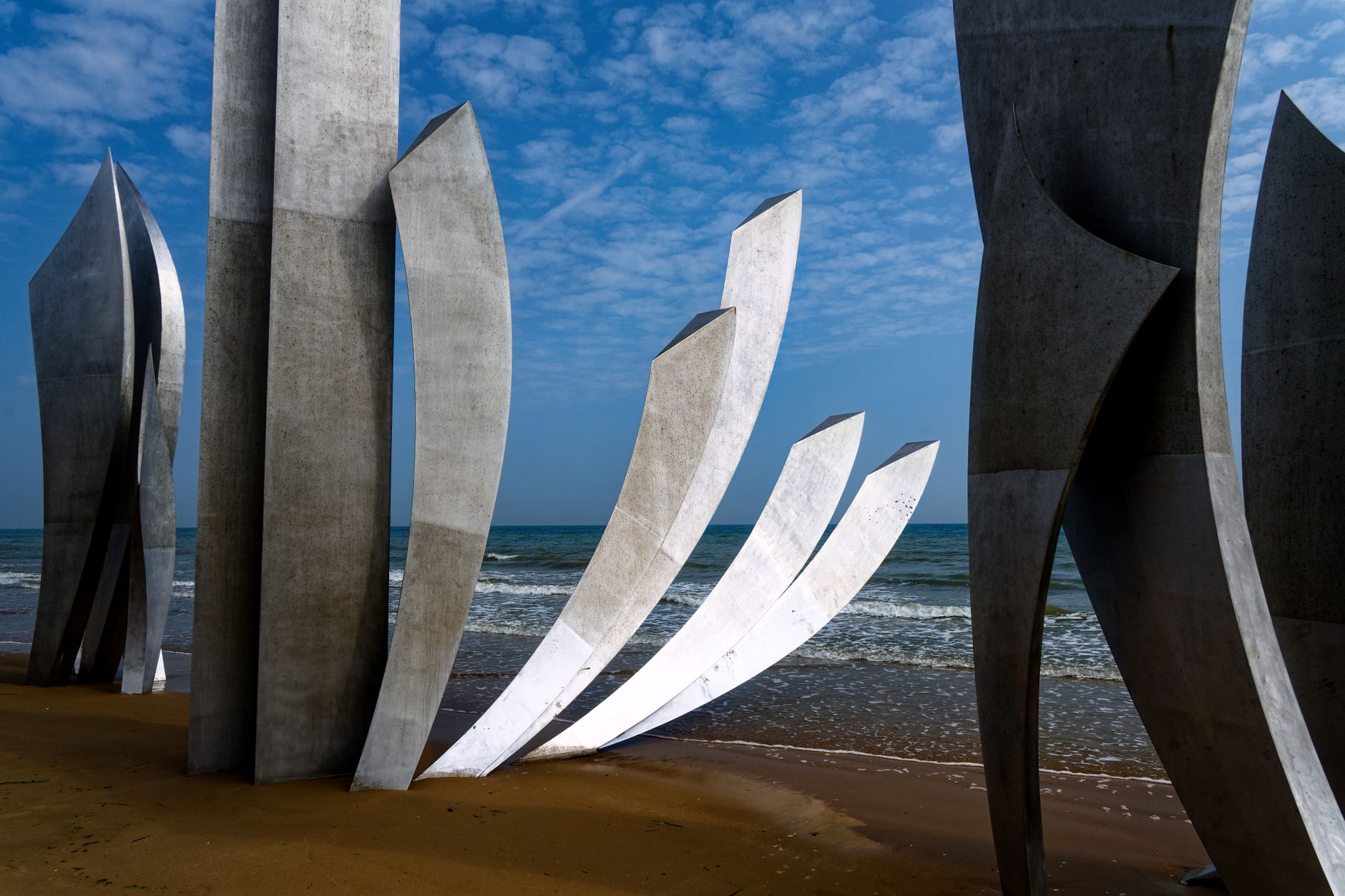
UNESCO Inscribes D-Day Beaches Alongside Other Sites
The D-Day landing beaches in Normandy—Utah, Omaha, Gold, Juno and Sword—along with related sites, have been inscribed on UNESCO’s World Heritage List, underscoring their historical significance and triggering preservation and monitoring efforts amid tourism and environmental threats. In a separate action, Greece’s Mount Olympus was also inscribed as a mixed World Heritage site for its cultural and natural value, boosting its international profile and conservation outlook.
World · 32 sources · Jul 27, 2026Read itThe journal
Open the journal →The conversation starts in the journal — be the first to post.
About Juno Beach
Juno Beach was one of five beaches of the Allied invasion of German-occupied France in the Normandy landings on 6 June 1944 during the Second World War. The beach spanned from Courseulles, a village just east of the British beach Gold, to Saint-Aubin-sur-Mer, and just west of the British beach Sword. Taking Juno was the responsibility of the British Second Army with the 3rd Canadian Infantry Division landing as the assault force, transported and supported by a Royal Navy task force. The objectives on D-Day were to cut the Caen-Bayeux road, seize Carpiquet airport west of Caen, and form a link between the two British beaches on either flank.
Everything about Juno Beach →- Country
- France