Mao Zedong.
1st chairman of the Chinese Communist Party and founder of the People's Republic of China (1893–1976)

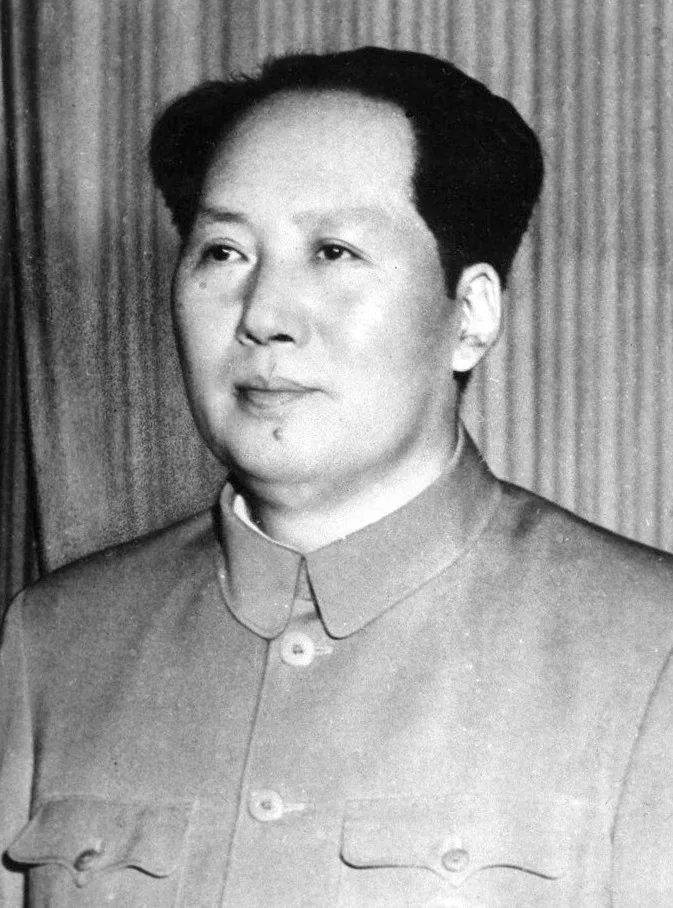
China's Mao nostalgia surges among youth who never lived under him
Amid China’s slowing economy and growing inequality, nostalgia for Mao Zedong’s egalitarian era is rising, with sites like Nanjie’s Maoist village and Dazhai’s Mao-praised past drawing tourists and sparking renewed public interest. While official CHina acknowledges the Cultural Revolution as a grave mistake, residents and visitors alike continue to revere Mao’s legacy and the period’s communal ideals, often through imagery and cooperative ownership that funded housing and local enterprises.
World · 6 sources · Sep 9, 2026Read itThe journal
Open the journal →The conversation starts in the journal — be the first to post.
About Mao Zedong
Mao Zedong was a Chinese revolutionary, political theorist, and dictator who founded the People's Republic of China (PRC) and served as its paramount leader from 1949 until his death in 1976 primarily through his role as the Chairman of the Chinese Communist Party (CCP). He led the Chinese Communist Party to victory in the Chinese Civil War and launched the Cultural Revolution. Mao Zedong Thought, which he advocated as a Chinese adaptation of Marxism–Leninism, influenced movements and Maoist organizations worldwide.
Everything about Mao Zedong →- Occupation
- politician, poet, writer, philosopher
- Position held
- Chairman of the Chinese Communist Party, Chairman of the Central Military Commission of the Chinese Communist Party, Chairman of the National Committee of the Chinese People's Political Consultative Conference, President of the People's Republic of China
- Citizenship
- Qing dynasty, Republic of China, Chinese Soviet Republic, People's Republic of China
- Born
- December 26, 1893
- Died
- September 9, 1976