

Maui Fire Study Links Elevated Metals to Lung Effects
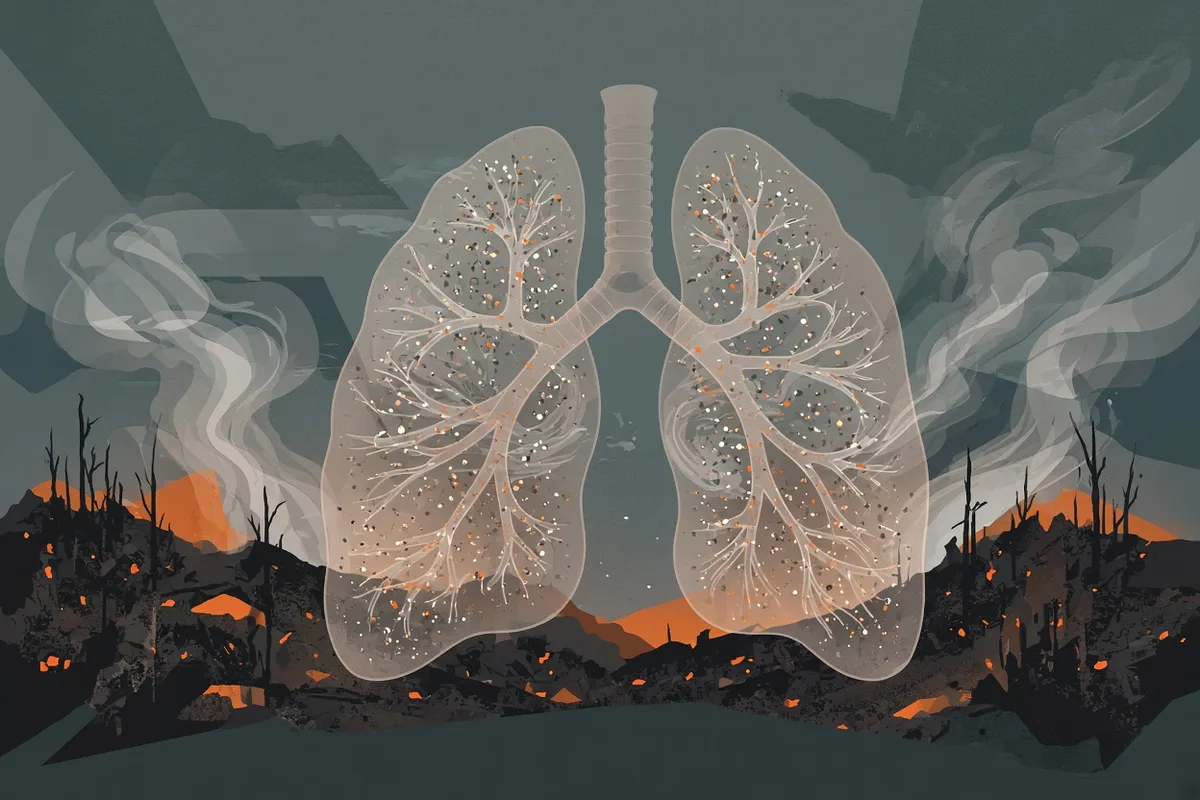
University of Hawaii researchers analyzed urine from 1,400 Maui adults collected 6 to 18 months after the August 2023 wildfires. Published in PNAS on Sept. 28, 2026, the study measured 24 metals and found antimony nearly 40 times U.S. biomonitoring levels, with manganese 3.8 times, barium 2.3 times and arsenic 2.2 times higher. Higher combined metal levels were associated with abnormal lung function; arsenic, cadmium, copper and antimony contributed most. The fires destroyed Lahaina and killed more than 100 people after wind spread a brushfire from downed power lines. Alika Maunakea said the aftermath is a much more complicated mixture of chemical exposures and that reducing re-exposure risks matters because consequences can unfold over many years. Ruben Juarez said exposure may not end when the smoke clears and disaster response should not stop when visible danger is gone. Kekoa Taparra, not involved in the study, said climate-related disasters affect health beyond immediate injuries and deaths. Researchers say burned buildings and materials may have contributed alongside preexisting geology, diet and land use; without pre-fire data, sources cannot be precisely separated. The findings do not establish that wildfire exposure alone caused the metals or lung effects. No factual disputes were found across rated coverage.
Where do you stand?