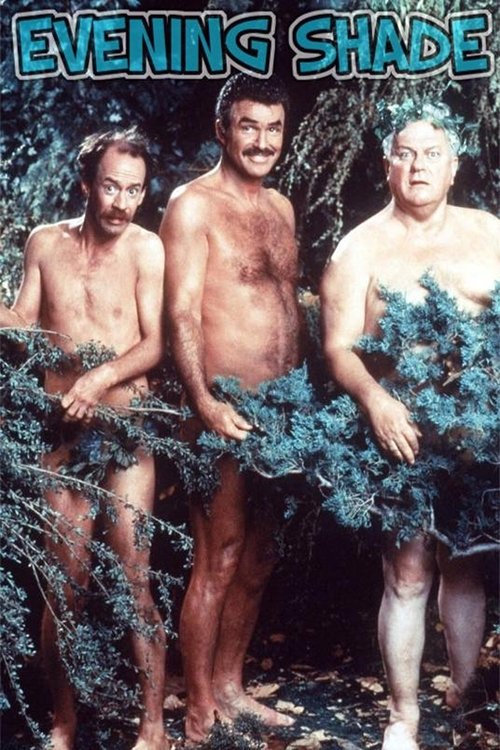
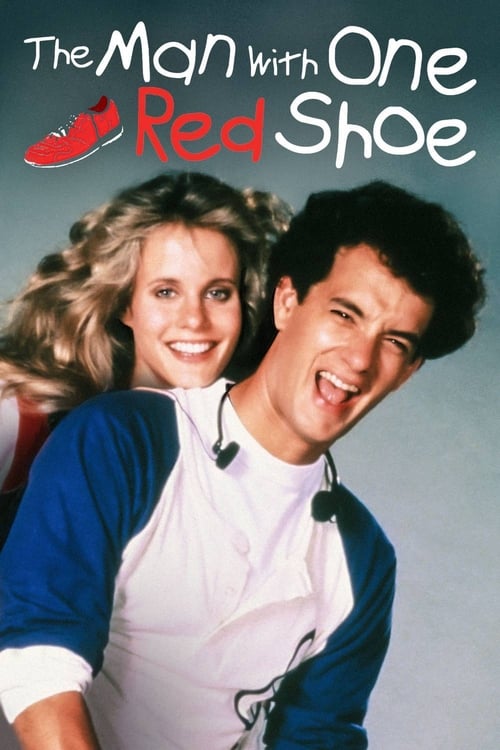
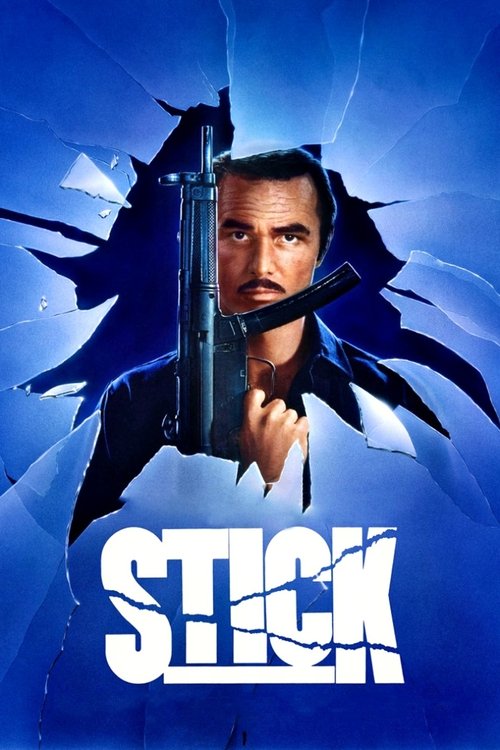
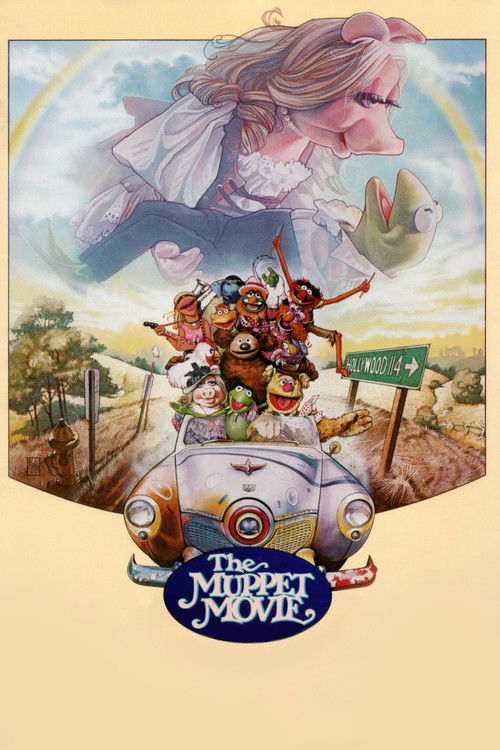
Charles Edward Durning (February 28, 1923 – December 24, 2012) was an American actor who appeared in over 200 movies, television shows and plays. He received various accolades, including a Golden Globe Award and a Tony Award, in addition to nominations for two Academy Awards and nine Primetime Emmy Awards. In 2008, Durning was awarded with Screen Actors Guild Life Achievement Award. His best-known films include The Sting (1973), Dog Day Afternoon (1975), The Muppet Movie (1979), True Confessions (1981), Tootsie (1982), Dick Tracy (1990), and O Brother, Where Art Thou? (2000). Prior to his acting career, Durning served in World War II and was decorated for valor in combat.
Contents
Early life
Durning was born in Highland Falls, New York. He was the son of Louise (née Leonard; 1894–1982), a laundress at West Point, and James E. Durning (1883 – c. 1935). His father was an Irish immigrant, and his mother was also of Irish descent. Durning was raised Catholic. Durning was the ninth of ten children. His three brothers – James (known as Roger, 1915–2000), Clifford (1916–1994), and Gerald (1926–2000) – and his sister Frances (1918–2006) survived to adulthood, but five sisters died from scarlet fever and smallpox as children.
Military service
Durning served in the U.S. Army during World War II. He was drafted at age 20. Durning landed in France as part of an artillery unit in one of the first waves of the D-Day invasion of Normandy. After being wounded by a German anti-personnel mine in the bocage, he spent six months recovering. Durning was reassigned to the 398th Infantry Regiment with the 100th Infantry Division, and participated in the Battle of the Bulge in December 1944. He was discharged at the rank of private first class on January 30, 1946.
For his valor and the wounds he sustained during the war, Durning was awarded the Silver Star and three Purple Hearts. He also received the Bronze Star because he had earned the Combat Infantry Badge. Additional awards included the Army Good Conduct Medal, the American Campaign Medal and the European-African-Middle Eastern Campaign Medal with Arrowhead device and two bronze service stars, and the World War II Victory Medal. His badges included the Combat Infantryman Badge, Expert Badge with Rifle Bar and Honorable Service Lapel Pin.
Durning received the French National Order of the Legion of Honor from the French Consul in Los Angeles in April 2008.
Veteran groups and spokesman
Durning participated in a variety of functions to honor American veterans, including serving as Chairman of the U.S. National Salute to Hospitalized Veterans. He was an honored guest speaker for 17 years at the National Memorial Day Concert televised by PBS every year on the Sunday evening of Memorial Day weekend.
Durning was paid a special tribute at the May 26, 2013, National Memorial Day Concert when "Taps" was sounded in his honor.
Acting career
While pursuing an acting career, Durning, a professional ballroom dancer, taught at Fred Astaire Dance Studio in New York City.
Durning began his career in 1951. While working as an usher in a burlesque theatre, he was hired to replace a drunken actor on stage. Subsequently, he performed in roughly 50 stock company productions and in various off-Broadway plays, eventually attracting the attention of Joseph Papp, founder of The Public Theater and the New York Shakespeare Festival. Beginning in 1961, he appeared in 35 plays as part of the Shakespeare Festival. "That time in my life was my best time," Durning told Pittsburgh's Post Gazette in 2001. "I had no money at all, and he [Joseph Papp] didn't pay much. You were getting a salary for performance plus a rehearsal salary. We would do three plays in Central Park for the summer. And then you'd do three to six plays every year down on Lafayette Street – new plays by new writers: Sam Shepard, David Mamet, David Rabe, John Ford Noonan, Jason Miller."
During this period, he segued into television and movies. He made his film debut in 1965, appearing in Harvey Middleman, Fireman. He appeared in John Frankenheimer's I Walk the Line (1970) starring Gregory Peck, and three Brian De Palma movies: Hi, Mom! (1970, as Charles Durnham), Sisters (1973), and The Fury (1978). He also appeared in Dealing: Or the Berkeley-to-Boston Forty-Brick Lost-Bag Blues (1972) with Barbara Hershey and John Lithgow.
Durning's performances in Broadway productions include Drat! The Cat! (1965), Pousse-Café (1966), The Happy Time (1968), Indians (1969), That Championship Season (1972), In the Boom Boom Room (1973), The Au Pair Man (1973), Knock Knock (1976), Cat on a Hot Tin Roof (1990), Inherit the Wind (1996), The Gin Game (1997), and The Best Man (2000).
In 2002, he performed in Bertolt Brecht's The Resistible Rise of Arturo Ui with Al Pacino, produced by Tony Randall. He played the role of Jack Jameson in Wendy Wasserstein's final play, Third (2005), with Dianne Wiest at Lincoln Center's Mitzi E. Newhouse Theatre.
Durning won the Los Angeles Drama Critics Circle Award for his powerful performance in The Westwood Playhouse's 1977 production of David Rabe's Streamers. In 1980, he won critical acclaim for his performance as Norman Thayer, Jr. in Los Angeles's Ahmanson Theater's production of On Golden Pond opposite Julie Harris.
Personal life and death
Durning married his first wife, Carole Doughty, in 1959. They had three children together before divorcing in 1972. Durning married his second wife, Mary Ann Amelio, in 1974. In 2010, the two filed an official Declaration of Separation.
He died of natural causes at his home in Manhattan on Christmas Eve December 24, 2012, aged 89. He was buried at Arlington National Cemetery.
On December 27, 2012, Broadway theatres dimmed their lights in his honor. The New York Times referred to him and actor Jack Klugman, who died the same day, as "extraordinary actors ennobling the ordinary". The Huffington Post called them "character actor titans".
Filmography
Narrations
Normandy: The Great Crusade Discovery Channel Director-Christopher Koch – English (1994)