1997–2006: Directorial debut and early films
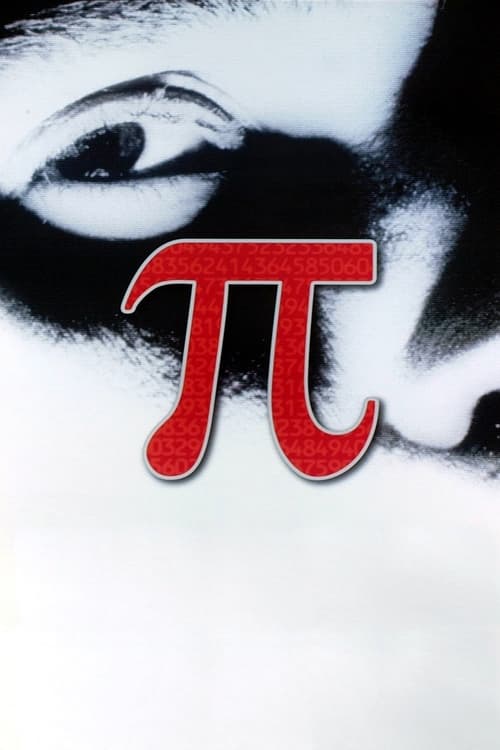
Aronofsky's debut feature, titled Pi—sometimes stylized as π—was shot in October 1997. The film was financed in part from $100 donations from his friends and family. In return, he promised to pay each back $150 if the film made money, and they would at least get screen credit if the film lost money. Producing the film with an initial budget of $60,000, Aronofsky premiered Pi at the 1998 Sundance Film Festival, where he won the Best Director award. The film itself was nominated for a special Jury Award. Artisan Entertainment bought distribution rights for $1 million. The film was released to the public later that year to critical acclaim and it grossed a total of $3,221,152 at the box-office. Pi was the first film to be made available for download on the Internet.
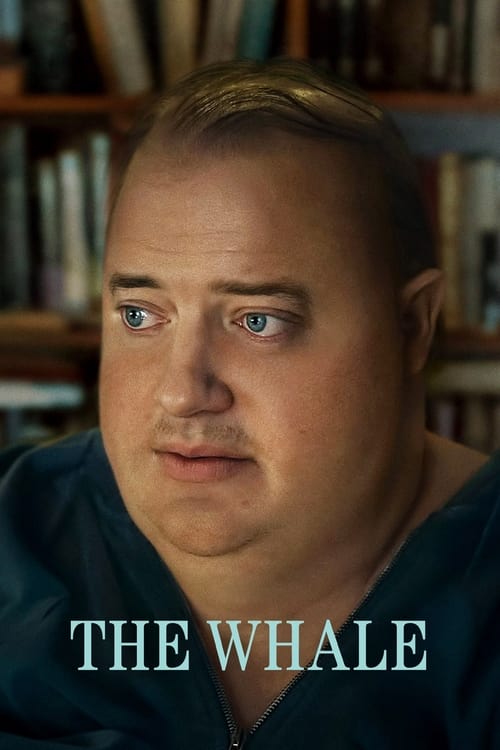
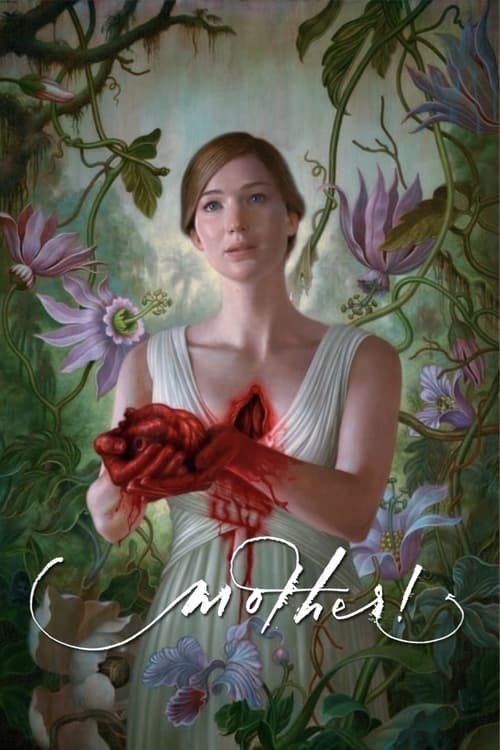
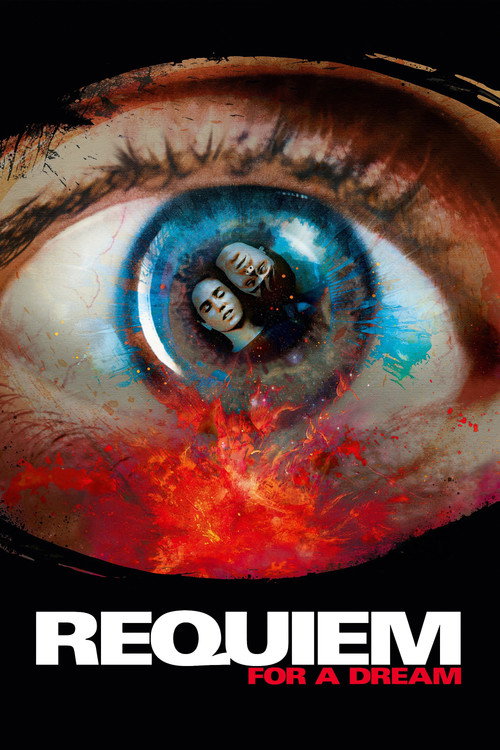
Aronofsky followed his debut with Requiem for a Dream, a film based on Hubert Selby Jr.'s novel of the same name. He was paid $50,000, and worked for three years with nearly the same production team as his previous film. Following the financial breakout of Pi, he was capable of hiring established actors, including Ellen Burstyn and Jared Leto, and received a budget of $3,500,000 to produce the film. Production of the film occurred over the period of one year, with the film being released in October 2000. The film went on to gross $7,390,108 worldwide. Aronofsky received acclaim for his stylish direction, and was nominated for another Independent Spirit Award, this time for Best Director. The film itself was nominated for five awards in total, winning two, for Best Actress and Cinematography. Clint Mansell's soundtrack for the film was also well-regarded, and since their first collaboration in 1996, Mansell has composed the music to every Aronofsky film (except for Mother!, 2017 and The Whale, 2022). Ellen Burstyn was nominated for numerous awards, including for an Academy Award for Best Actress, and won the Independent Spirit Award. Aronofsky was awarded the PRISM Award from the Robert Wood Johnson Foundation with the National Institute on Drug Abuse for the film's depiction of drug abuse.
In May 2000, Aronofsky was briefly attached to make an adaptation of David Wiesner's 1999 children's book Sector 7 for Nickelodeon Movies; as of 2025, the project remains unmade. In mid-2000, Warner Bros. hired Aronofsky to write and direct Batman: Year One, which was to be the fifth film in the Batman franchise. Aronofsky, who collaborated with Frank Miller on an unproduced script for Ronin, brought Miller in to co-write Year One with him, intending to reboot the series. "It's somewhat based on the comic book", Aronofsky later said. "Toss out everything you can imagine about Batman! Everything! We're starting completely anew", who intended to re-imagine the titular character in a darker, adult-oriented and grounded style, with his adaptation aiming for an R-rating. Regular Aronofsky collaborator Matthew Libatique was set as cinematographer, and Aronofsky had also approached Christian Bale for the role of Batman. Bale was ultimately cast in the role for Batman Begins. After that project failed to develop, Aronofsky declined the opportunity to direct a film in the Batman franchise. In March 2001, he helped write the screenplay to the horror film Below, which he also produced.
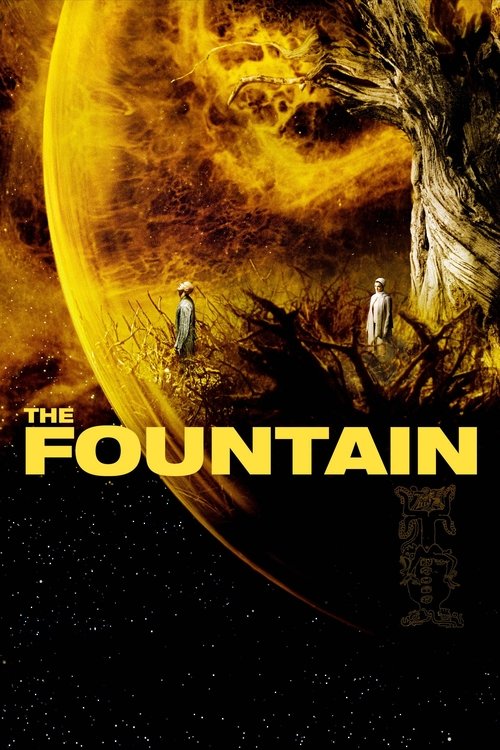
In April 2001, Aronofsky entered negotiations with Warner Bros. and Village Roadshow to direct a then-untitled science fiction film, with Brad Pitt in the lead role. In June 2001, actress Cate Blanchett entered talks to join the film, which Aronofsky, wanting the title to remain secret, had given the working title of The Last Man. Production was postponed to wait for a pregnant Blanchett to give birth to her child in December 2001. Production was ultimately set for late October 2002 in Queensland and Sydney.
By now officially titled The Fountain, the film had a budget of $70 million, co-financed by Warner Bros. and New Regency, which had filled the gap after Village Roadshow withdrew. Pitt left the project seven weeks before the first day of shooting, halting production. In February 2004, Warner Bros. resurrected it on a $35 million budget with Hugh Jackman in the lead role. In August, actress Rachel Weisz filled the vacancy left by Blanchett. The Fountain was released on November 22, 2006, a day before the American Thanksgiving holiday; ultimately it grossed $15,978,422 in theaters worldwide. Audiences and critics were divided in their responses to it.