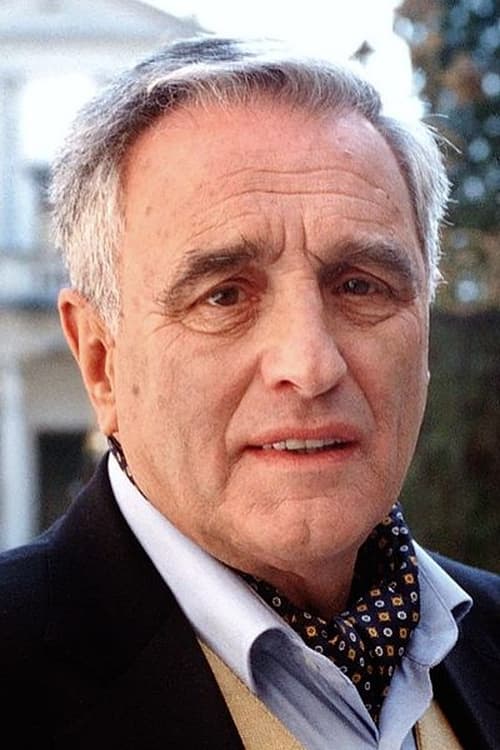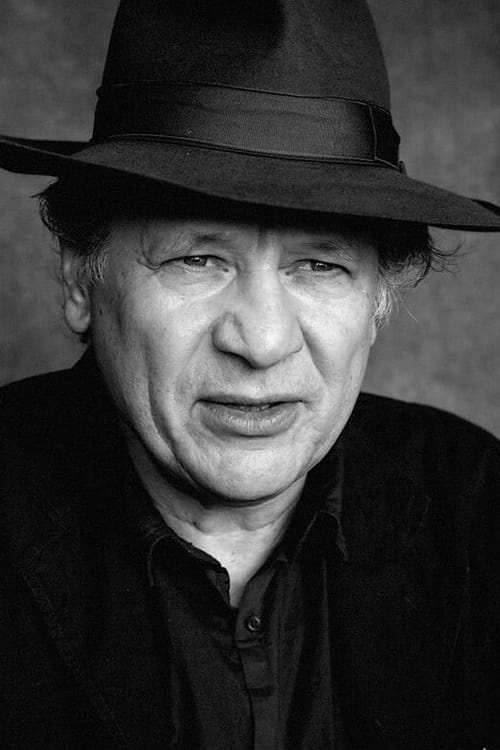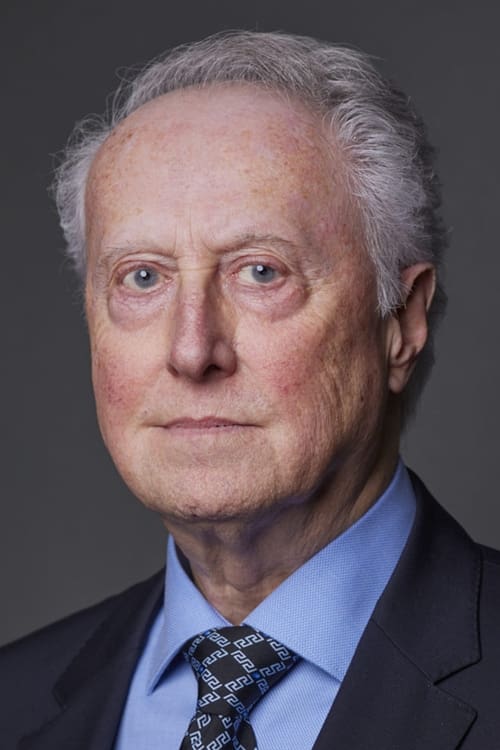




Hannah Arendt is a 2012 biographical drama film directed by Margarethe von Trotta and starring Barbara Sukowa. An international co-production from Germany, Luxembourg and France, the film centers on the life of German-Jewish philosopher and political theorist Hannah Arendt. The film, distributed by Zeitgeist Films in the United States, opened theatrically on 29 May 2013.
German director von Trotta's film centers on Arendt's response to the 1961 trial of Nazi Adolf Eichmann, which she covered for The New Yorker. Her articles in The New Yorker were published in 1963 as the book Eichmann in Jerusalem: A Report on the Banality of Evil. Her writing on the trial became controversial for its depiction of both Eichmann and the Jewish councils, and for its introduction of Arendt's now-famous concept of "the banality of evil".
Contents
Synopsis
As the film opens Eichmann has been captured in Argentina. It is revealed that he escaped there via the "rat line" and with forged papers. Arendt, now a professor in New York, volunteers to write about the trial for The New Yorker and is given the assignment. Observing the trial, she is impressed by how ordinary and mediocre Eichmann appears. She had expected someone scary, a monster, and he does not seem to be that. In a cafe conversation in which the Faust story is raised it is mentioned that Eichmann is not in any way a Mephisto (the devil). Returning to New York, Arendt has massive piles of transcripts to go through. Her husband has a brain aneurysm, almost dying, and causing her further delay. She continues to struggle with how Eichmann rationalized his behavior through platitudes about bureaucratic loyalty, and that he was just doing his job. When her material is finally published, it immediately creates enormous controversy, resulting in angry phone calls and a falling out with her old friend, Hans Jonas.
In a night out on the town with her friend, novelist Mary McCarthy, she insists that she is being misunderstood, and her critics who accuse her of "defending" Eichmann have not read her work. McCarthy broaches the subject of Arendt's love relationship many years ago with philosopher Martin Heidegger, who had collaborated with the Nazis. Arendt finds herself shunned by many colleagues and former friends. The film closes with a final speech she gives before a group of students, in which she says this trial was about a new type of crime that had not previously existed. A court had to define Eichmann as a man on trial for his deeds. It was not a system or an ideology that was on trial, only a man. But Eichmann was a man who renounced all qualities of personhood, thus showing that great evil is committed by "nobodies" without motives or intentions other than to follow orders unquestioningly, without thinking. This is what she calls "the banality of evil".
The film, which captures Arendt at one of the pivotal moments of her life and career, also features portrayals of other prominent intellectuals, including philosopher Martin Heidegger, novelist Mary McCarthy, and The New Yorker editor William Shawn.
Cast
Barbara Sukowa as Hannah Arendt
Friederike Becht as young Hannah
Janet McTeer as Mary McCarthy
Klaus Pohl as Martin Heidegger
Nicholas Woodeson as William Shawn
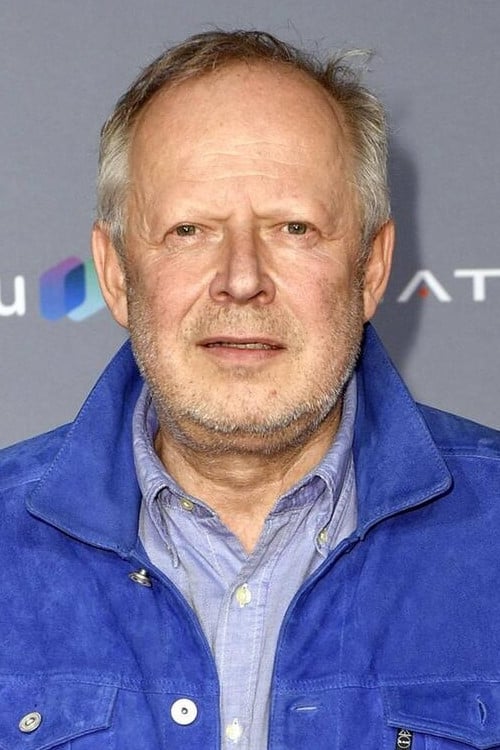
Axel Milberg as Heinrich Blücher
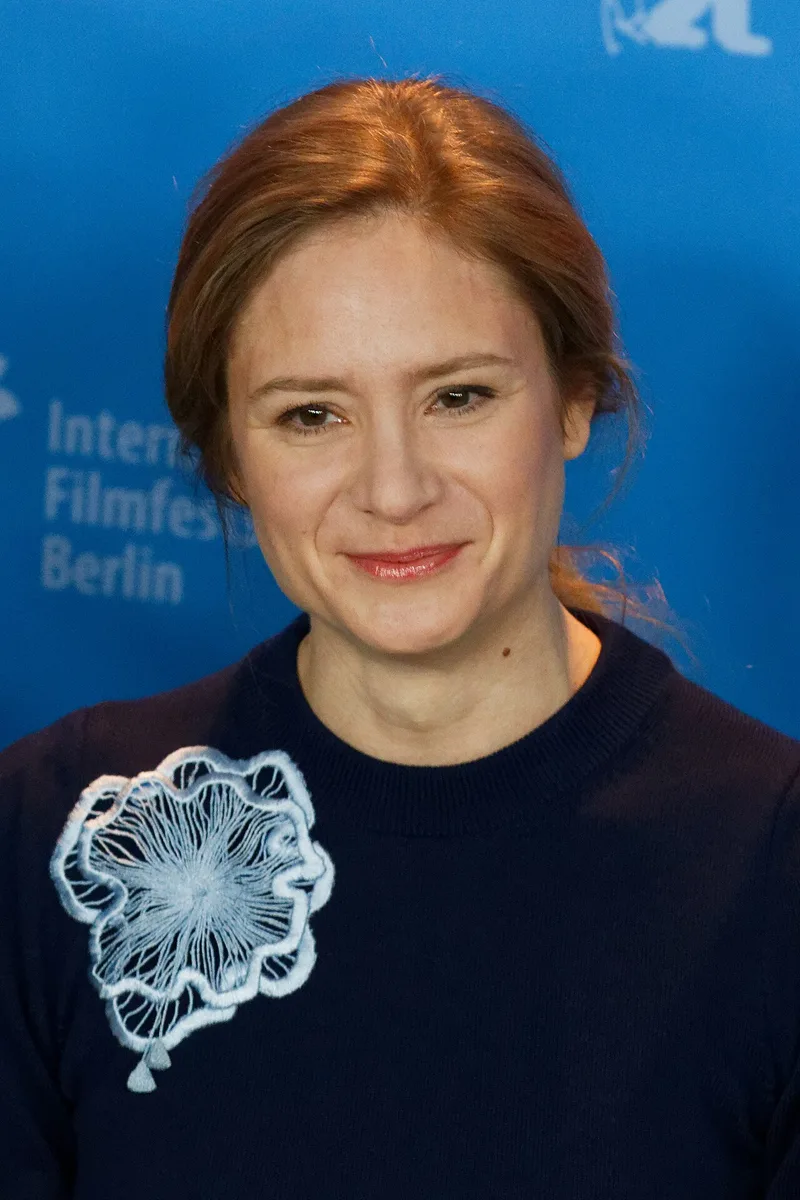
Julia Jentsch as Lotte Köhler
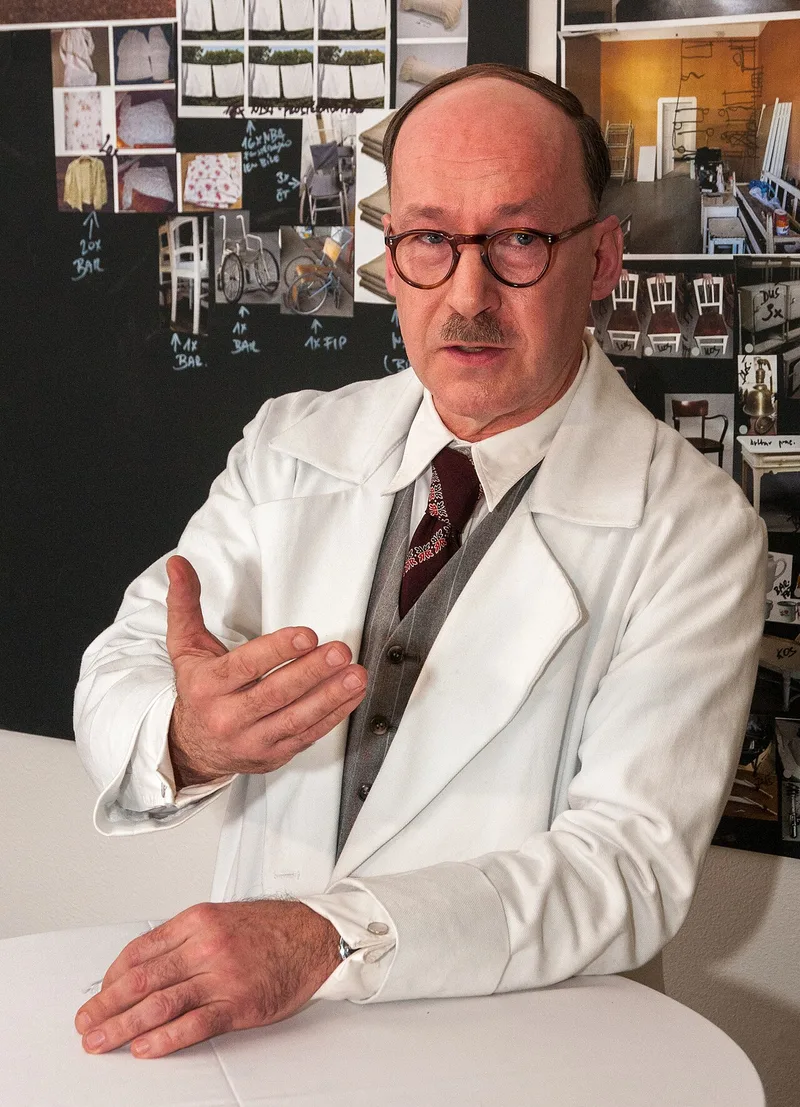
Ulrich Noethen as Hans Jonas
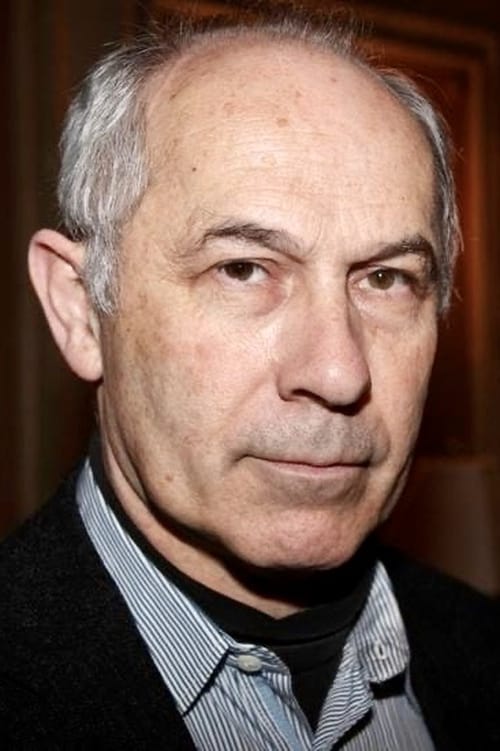
Michael Degen as Kurt Blumenfeld (the character portraying a mix of real Kurt Blumenfeld and Gershom Scholem)
Victoria Trauttmansdorff as Charlotte Beradt
Harvey Friedman as Thomas Miller
Megan Gay as Francis Wells
Claire Johnson as Mrs. Serkin
Gilbert Johnston as Professor Kahn
Tom Leik as Jonathan Schell
Awards
2012: Toronto International Film Festival Official Selection
2012: New York Jewish Film Festival Official Selection
2013: Lola Award for Best Actress for Barbara Sukowa and Silver Lola for Best Film, Deutscher Filmpreis
2013: Guild Film Award-Gold from the Guild of German Art House Cinemas
2013: Audience Award for Best Narrative Film, Women + Film Voices Film Festival, Denver
2013: Best Actress for Barbara Sukowa, Bavarian Film Awards
2013: Best Actress nomination for Barbara Sukowa, European Film Awards
Production
Hannah Arendt makes use of original film footage from the 1961 Eichmann trial, in black & white, as well as the real testimony of survivors and the prosecutor, Gideon Hausner.
Critical response
Hannah Arendt received mostly positive reviews from critics. On Rotten Tomatoes it has an approval rating of 88% based on reviews from 66 critics, with an average rating of 6.8/10. The site's consensus reads: "Led by a powerful performance from Barbara Sukowa, Hannah Arendt does a commendable job of dramatizing the life of a complex public figure." On Metacritic, the film has a score of 69%, based on 17 critics, indicating "generally favorable" reviews.
A.O. Scott of The New York Times wrote: "Hannah Arendt conveys the glamour, charisma and difficulty of a certain kind of German thought. Ms. Sukowa, compact and energetic and not overly concerned with impersonation, captures Arendt's fearsome cerebral power, as well as her warmth and, above all, the essential, unappeasable curiosity that drove her.... Its climax, in which Arendt defends herself against critics, matches some of the great courtroom scenes in cinema and provides a stirring reminder that the labor of figuring out the world is necessary, difficult and sometimes genuinely heroic."
Roger Berkowitz of The Paris Review wrote: "To make a film about a thinker is a challenge; to do so in a way that is accessible and gripping is a triumph. Hannah Arendt herself might have been surprised to learn that after fifty years of deadening controversy, it is a film that promises to provoke the serious public debate she sought in publishing her book."