1970s
After releasing the 1970 crossover hit "Amos Moses", a hybrid of rock, country, funk, and Cajun styles which reached number eight on the U.S. pop chart, Reed teamed with Atkins for the duet LP Me & Jerry, which earned the pair the Grammy Award for Best Country Instrumental Performance. During the 1970 television season, he was a regular on The Glen Campbell Goodtime Hour, and in 1971, he released his biggest hit, the chart-topper "When You're Hot, You're Hot", which is a story song with most of the lyrics spoken rather than sung. The lyric describes the narrator's near success at shooting dice, a police raid, and a judge who is supposedly a fishing buddy of the singer, who nevertheless sends him up the river for gambling. Aside from being a major crossover hit, "When You're Hot, You're Hot" earned Reed the Grammy Award for Best Country Vocal Performance, Male.
"When You're Hot, You're Hot" was the title track of Reed's eighth solo album, reaching number 9 Pop and number six on Billboard's Easy Listening chart. The singles from the album, "Amos Moses" and "When You're Hot, You're Hot", sold over one million copies, and were awarded gold discs by the RIAA. The album features songs such as Reed's version of "Ruby, Don't Take Your Love to Town" and John D. Loudermilk's free-wheeling song "Big Daddy (Alabama Bound)".
A second collaboration with Atkins, Me & Chet, followed in 1972, as did a series of top-40 singles, which alternated between frenetic, straightforward country offerings and more pop-flavored, countrypolitan material. A year later, he scored his second number-one single with "Lord, Mr. Ford" (written by Deena Kaye Rose), from the album of the same name.
Atkins, who frequently produced Reed's music, remarked that he had to encourage Reed to put instrumental numbers on his own albums, as Reed always considered himself more of a songwriter than a player. Atkins, however, thought Reed was a better fingerstyle player than he was himself; Reed, according to Atkins, helped him work out the fingerpicking for one of Atkins's biggest hits, "Yakety Axe".
Reed was featured in animated form in a December 9, 1972, episode of Hanna–Barbera's The New Scooby-Doo Movies, "The Phantom of the Country Music Hall" (prod. No. 61-10). He sang and played the song "Pretty Mary Sunlight". The song is played throughout the episode as Scooby and the gang search for Reed's missing guitar.
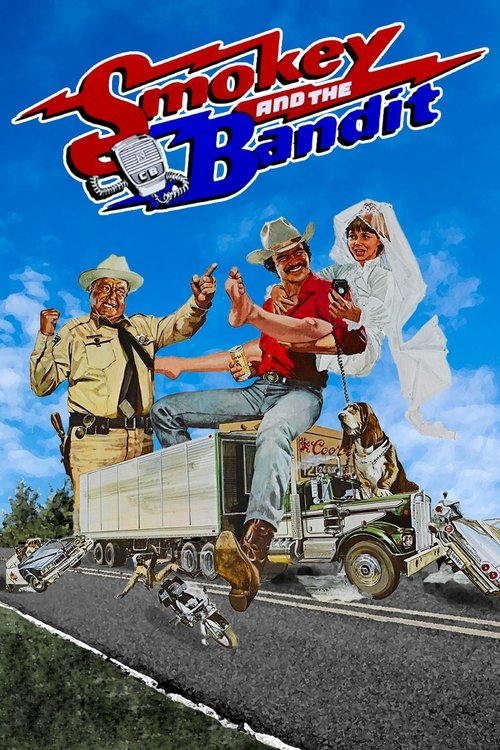
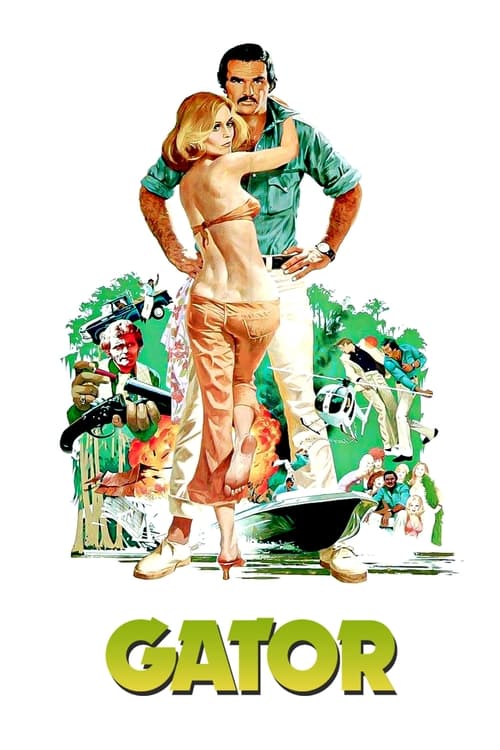
In the mid-1970s, Reed's recording career began to take a back seat to his acting aspirations. In 1974, he co-starred with his close friend Burt Reynolds in the film W.W. and the Dixie Dancekings. While he continued to record throughout the decade, his greatest visibility was as a motion picture star and almost always in tandem with headliner Reynolds, after 1976's Gator. In 1977 he co-starred with Claude Akins in the CBS cop show Nashville 99 and also wrote and performed the theme song. It was cancelled after only four episodes, freeing him up to co-star with Reynolds in Smokey and the Bandit. His song for the movie, "East Bound and Down," landed Reed a number-two hit. He went on to co-star in all three of the Smokey and the Bandit films.
Also in 1977, Reed joined entrepreneur Larry Schmittou and other country music stars, including Conway Twitty, Cal Smith, Larry Gatlin, and Richard Sterban, as investors in the Nashville Sounds, a minor league baseball team of the Double-A Southern League that began play in 1978.
Reed appeared in 1978's High-Ballin' and 1979's Hot Stuff and made two guest appearances on the sitcom Alice in 1978 and 1981.
Reed also hosted a TV variety show, filming two episodes of The Jerry Reed Show in 1976. The Sensational Alex Harvey Band released a version of "Amos Moses" in 1976.
In 1979, he released a record comprising both vocal and instrumental selections titled, appropriately enough, Half & Half. It was followed one year later by Jerry Reed Sings Jim Croce, a tribute to the late singer/songwriter. He also starred in a TV movie in that year entitled Concrete Cowboys.