Personal life
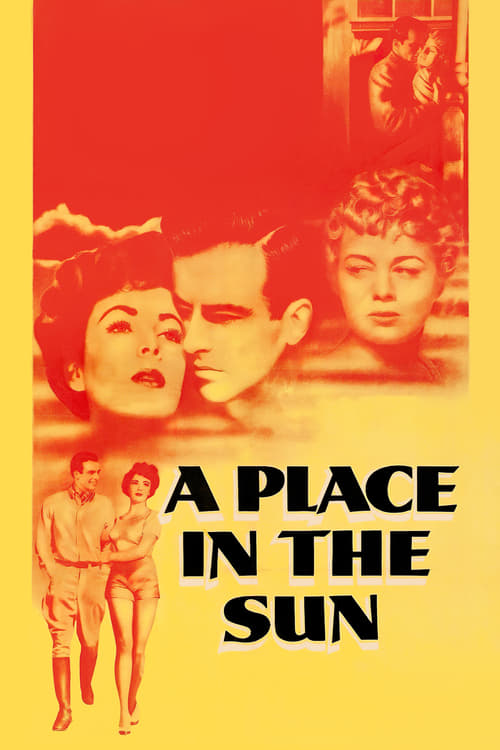
Clift is said to have valued privacy and ambiguity in his personal life, though he was known to be friendly and affectionate, blurring the emotions of platonic love and sexual attraction, particularly with close friend Elizabeth Taylor. Paramount Pictures arranged for her to attend the Los Angeles premiere of The Heiress as Clift's date to generate publicity. Paramount executive Luigi Luraschi remembered that Taylor, like many American teenagers, seemed "unmistakably in love" with Clift around the time of filming A Place in the Sun, which commenced soon after that premiere outing.
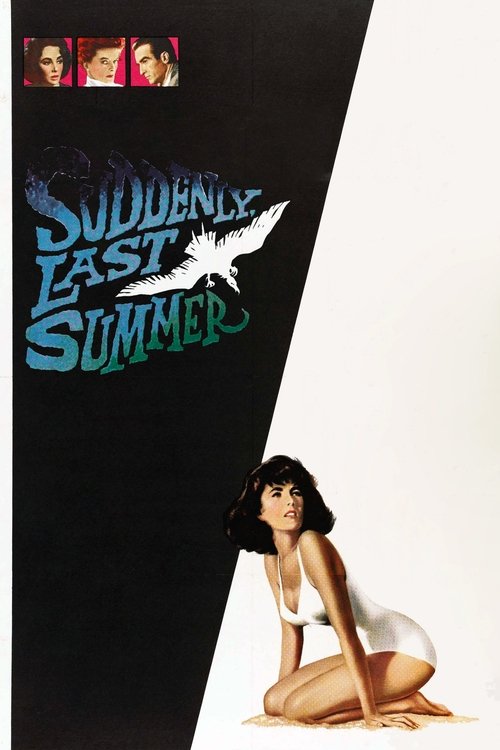
Throughout the 1950s, Clift and Taylor starred together as romantic leads in three films: A Place in the Sun, Raintree County, and Suddenly, Last Summer. Their romantic scenes in A Place in the Sun received considerable acclaim for their naturalness and authentic appearance. Taylor remained a loyal friend to Clift until his death.
In 2000, at the GLAAD Media Awards, where Taylor was honored for her work for the LGBT community, she made the first public declaration by anyone that Clift was gay and called him her closest friend and confidant. Clift's brother claimed he was bisexual. When Clift began therapy in late 1950, he told his psychiatrist, "he thought he was homosexual and he wanted to know how to deal with it." After his death, in a taped telephone conversation with his brother, Clift's mother stated that she had known early on that Clift was homosexual.
Many of Clift's biographers cite his relationships with men and a few women based on friends' accounts and interviews. He was linked to actresses Libby Holman and Phyllis Thaxter. However, Clift's longest relationships were with men. He was involved with the Adventures of Superman actor Jack Larson and theater actor William LeMassena, with whom he had a three-year relationship. LeMassena remained a close friend to Clift until his death. He described their relationship with fondness and kept taped film reels of Clift and the company of There Shall Be No Night enjoying leisure time together.
Clift was deeply and intensely involved with Broadway choreographer Jerome Robbins; "few associates were aware of how intimate and emotionally charged the relationship between Clift and Robbins was." They camouflaged their relationship by dating women. In 1948, when Clift left Robbins to pursue a movie career in Hollywood, the announcement devastated Robbins. He told Clift, "I could make you love me," at the end of their two-year affair.
Robbins is said to have conceived the basic plot of West Side Story after Clift shared the idea with him, according to actor Russ Tamblyn. In 2021, Tamblyn recalled that Robbins "told us on the set one day that the idea really came from Montgomery Clift, who was Jerry's boyfriend at the time... He said that he was with Monty at a party on Fire Island... [and Clift said] 'I've got an idea for a musical. Why not have a musical about Romeo and Juliet, but make it with gangs in New York?' And Jerry said that he just couldn't get it out of his head." Robbins called Clift a "theatrical genius" early on in their affair.
In the early 1950s, Barney Balaban (president of Paramount Pictures) invited Clift on one of the Balaban family vacations to Nassau, Bahamas. Judy Balaban, his daughter, claimed that she had an immediate connection with Clift and the two were "joined at the hip", dating for many months following. She attended the New York premiere of A Place in the Sun in August 1951 as his date.
Before his relationship with Balaban, Clift had received a barrage of blackmail phone calls at his residence, threatening to out him as homosexual, which resulted in Clift having to repeatedly change his number.
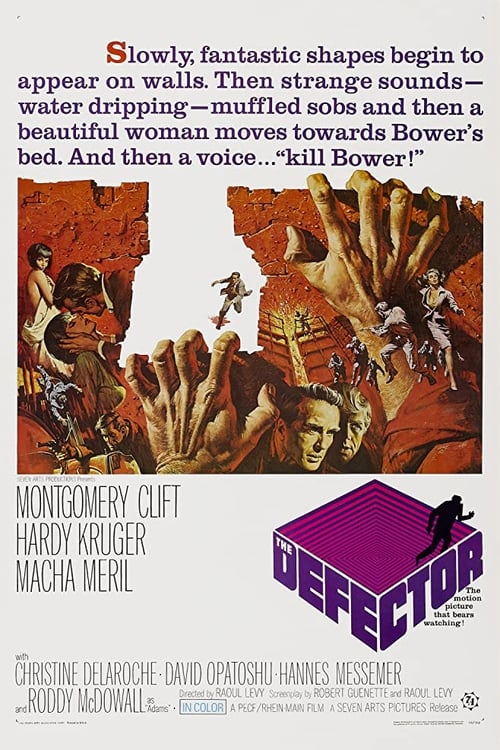
While the press assumed that Balaban and Clift were an item, Clift secretly dated British actor Roddy McDowall. According to Balaban, she was naïve about Clift's sexual orientation and his romantic involvement with McDowall, who would occasionally accompany them on public outings. McDowall was introduced to Clift by his Lassie Come Home co-star Elizabeth Taylor. During the two and a half years that Clift stayed away from films, McDowall's career was nonexistent. He devoted himself entirely to Clift and moved from Los Angeles to New York City to be closer to his idol. Reportedly, McDowall attempted suicide after their breakup. Nevertheless, he showed no bitterness and also remained one of Clift's loyal friends. McDowall starred with Clift in his final picture, The Defector. Clift later stated that he could never have finished the film without McDowall's moral support.
While filming for Vittorio De Sica in Italy, Clift had a romance with Truman Capote. Author James Jones and Clift became very close during the filming of From Here to Eternity. Jones publicly stated, "I would have had an affair with him, but he never asked me." One of Clift's first intimate relationships was with composer Lehman Engel. He was also involved with Donald Windham and his partner Sandy Campbell. In his memoir, Arthur Laurents suggests that Clift had a fling with Farley Granger.
Clift was also friends with Marlon Brando, who dropped by his home offering to accompany him to Alcoholics Anonymous meetings.
Clift supported Adlai Stevenson in the 1952 United States presidential election.
A documentary titled Making Montgomery Clift was made by his nephew, Robert Anderson Clift, in 2018, to clarify myths that were created about the actor.