


Amodei reportedly earned $18 million, mid-pack among tech CEOs
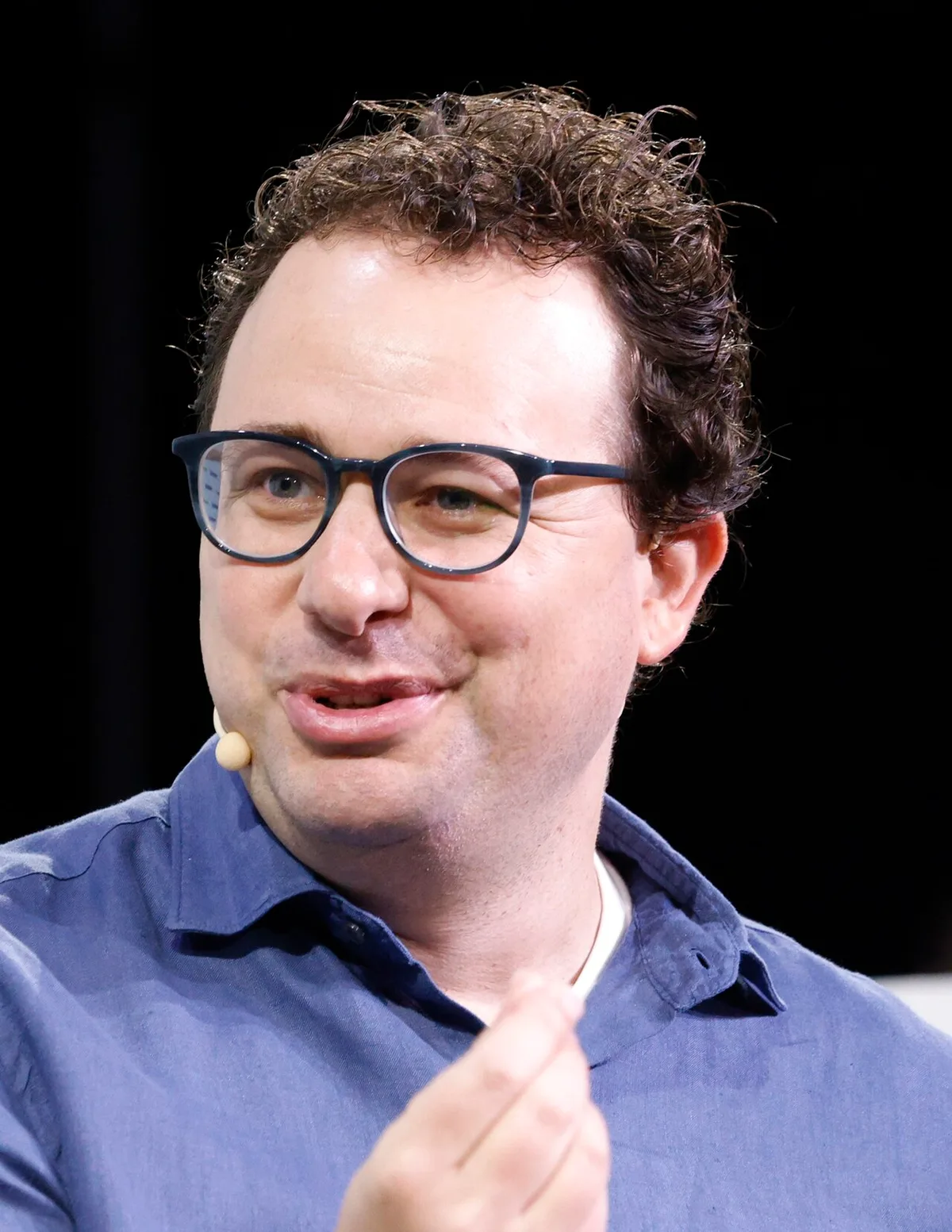
Dario Amodei’s name appears on Anthropic’s S-1 IPO prospectus beside a single 2025 total: $18 million, about 24.2 billion won. Reuters obtained the filing. Amodei is chief executive of the company that develops Claude, a large language model—an artificial-intelligence system trained on vast amounts of text so it can answer, write, and reason in ordinary language. The same prospectus shows a firm preparing a public listing that could value Anthropic at more than $2 trillion. Against that scale, the disclosed figure is almost abstract.
Courtney Yu, director of research at the executive-compensation data firm Equilar, said the haul “appears low for the CEO of a company valued at $2 trillion.”
The S-1 is the registration document a U.S. company files before offering shares to public investors. It records the mix of salary, equity awards, and other benefits paid to top executives in the years leading up to a listing. Amodei’s package is entered there as one annual number. An Anthropic spokesperson declined to comment on the compensation figures. The pages that carry his total also carry the rest of the board’s pay architecture for the people running the company.

Daniela Amodei, president and sibling co-founder, recorded $16.4 million in 2025 total compensation. Salary was only a fraction of that sum. Stock and option awards made up the bulk. The Amodeis were among the former OpenAI group that started Anthropic in 2021 as a public-benefit company built around safer Claude-class models.
In July 2026 the board doubled both siblings’ base salaries to $1.4 million each. This year it also granted them additional restricted stock units. A restricted stock unit is a promise of company shares that becomes real equity only after set conditions are met. Some of the new units vest on continued employment. Some are tied to the IPO. The grants extend ownership past the 2025 totals already entered in the prospectus.
Chief Financial Officer Krishna Rao’s 2025 compensation was $720,250. Hired in 2024 with options to buy 1.4 million shares, he exercised options worth $385,285. Salary, equity already awarded, and units still waiting on employment or the listing now fill the tables for the two founders and the finance chief.
Across the sector, 2025 compensation figures drawn from SEC filings ran to extremes. At one end sat Oracle co-CEO Clayton Magouyrk. He earned $627.5 million. Nvidia CEO Jensen Huang received $49.9 million. Alphabet CEO Sundar Pichai was reported at $10.9 million, a total that included $8.8 million for personal security “due to Sundar’s significant public profile,” the filing said. On a “compensation actually paid” basis—one that among other things reflects the change in value of unvested shares—Pichai’s figure rose to $213.9 million. Amazon CEO Andrew Jassy reported $2.1 million and $13.2 million on the same actually-paid measure. At the floor of the same set of filings, Elon Musk’s pre-IPO SpaceX pay stood at $54,080.

Those lines place the Anthropic package above Alphabet and Amazon and behind Oracle and Nvidia. The yearly tables, though, capture only part of how founder wealth is held.
Yu put the missing piece in one sentence. “Founder CEOs typically own enough equity that when the company does well and the stock prices increases they can just live off the wealth of the equity they already own, and typically don't take in a lot in annual compensation,” she said.
The S-1 seen by Reuters does not describe the founders’ share of ownership. Those stakes could be worth billions of dollars, depending on the final terms and valuation of the IPO. With six other co-founders, Amodei may wind up getting a lesser share of the wealth created by the listing than other major technology chief executives.
The same structure of wealth sitting outside the yearly tables appears on other ledgers already public. The AFL-CIO values Tesla’s restricted stock plan for Elon Musk at $158 billion. SpaceX has promised him super-voting shares if the company’s market value grows to $7.5 trillion and the firm puts 1 million people on Mars. Annual compensation lines measure one year. Ownership measures the company itself. What the prospectus prints beside those tables is a different claim on the equity.

The Amodei siblings and their fellow co-founders pledged in the IPO filing to dedicate 80 percent of their personal Anthropic equity to charitable causes. That commitment appears in the same document that records the annual packages. Asked about the 80 percent figure, an Anthropic spokesperson pointed reporters to an essay Dario Amodei published earlier this year. He argued there that the wealthy have an obligation to help address problems stemming from AI adoption. He also criticized those who “have recently adopted a cynical and nihilistic attitude that philanthropy is inevitably fraudulent or useless.”
In the United States, chief executive pay has grown far faster than wages for ordinary workers. Average annual compensation for S&P 500 CEOs rose 21 percent last year to $22.8 million, according to the AFL-CIO. The same sources note concern that broad adoption of AI could stretch that gap further. The filing leaves the public value of that 80 percent claim for the listing still ahead.
Anthropic is preparing to market a listing as early as this fall. Yu said the compensation “seems on the lower end for a company valued at $2 trillion, but it will be interesting to see how that changes once the company goes public.” The change she described is the disclosure of ownership. Once the company is public, the full stake is expected to be shown.
Restricted stock units already granted to Dario Amodei and Daniela Amodei include awards tied to the IPO itself. Until the offering converts them, the units sit in the prospectus as conditions rather than as stock. They remain promised equity attached to an event that has not yet occurred, value no one outside the company can yet count as shares. Right now the S-1 still has no founders’ ownership percentage beside the compensation tables. The pay is on the page. The percentage is not.