


U.S. and WHO Seek Answers on Irkutsk Lab Death
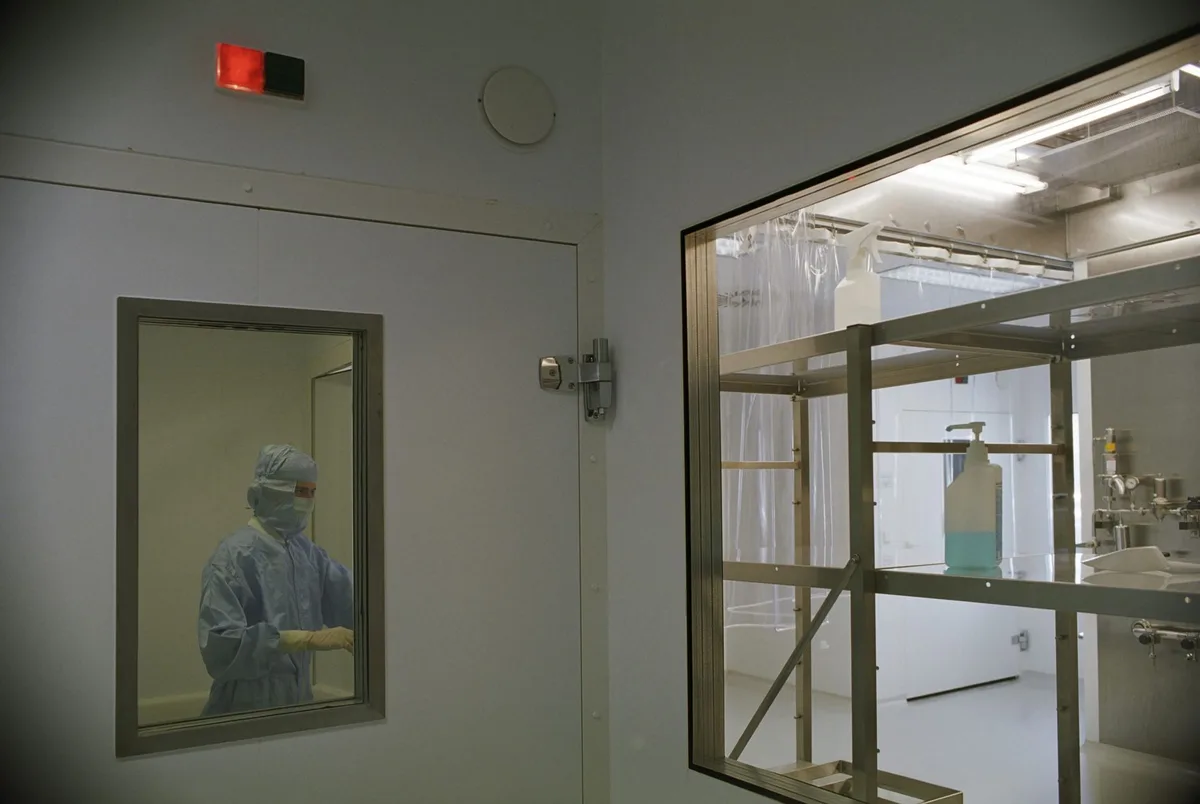
Darya Shipilova was on the ventilator at Shelekhov District Hospital on September 29. She had been admitted that day with severe pneumonia. She was twenty-eight years old and worked as a laboratory technician at the Irkutsk Anti-Plague Research Institute of Siberia and the Far East. The hospital stands in Shelekhov, just outside Irkutsk in eastern Siberia.
The institute was founded in 1934 to monitor plague across Siberia and the Far East, a region where the bacterium that causes the disease still lives in nature among rodents and other wildlife. Shipilova was one of them.
She died on October 1, by some accounts, or on October 2 by others. The sources that measure from the day of admission say she lasted two days. A twenty-eight-year-old laboratory technician from the anti-plague institute was dead of a lung infection in Shelekhov.
Irkutsk authorities held an emergency meeting over the weekend. Governor Igor Kobzev described the subject as a particularly dangerous infection. Contact tracing began and named 197 people who had come near Shipilova. Of those 197, 189 were placed under medical observation or quarantine. Some reports put the total under watch at up to 200. More than 100 of the contacts were held in hospital wards. Shelekhov District Hospital quarantined its inpatient section. New admissions halted. Discharges halted. The same limits appeared at three city clinical hospitals in Irkutsk, at a maternity hospital, and at a children’s hospital. Containment measures reached the Irkutsk Aluminum Plant. In early remarks, Kobzev said no one else was showing signs of illness.
Independent outlet People of Baikal reported that Shipilova broke a test tube containing pneumonic plague bacteria while handling samples on September 25. The Russian tabloid Mash offered another account: she may have become ill after a work trip to neighboring Buryatia, where a plague outbreak had occurred before. Buryatia governor Alexei Tsydenov floated a plague link of his own, while saying there were no outbreaks in his region.
Rospotrebnadzor rejected any pathogen tied to her work. The federal health watchdog described the death as pneumonia of unknown etiology and said testing found no microorganisms linked to her professional activity in her samples. Two commissions examined reports of a pathogen accident at the institute and found none. Anna Popova, the agency’s head, traveled to Irkutsk to oversee the response and joined the emergency meeting. Kremlin spokesman Dmitry Peskov told the public to rely on Rospotrebnadzor and disregard rumors. Kobzev said conditions at the institute were stable and that no new cases had appeared among its employees.
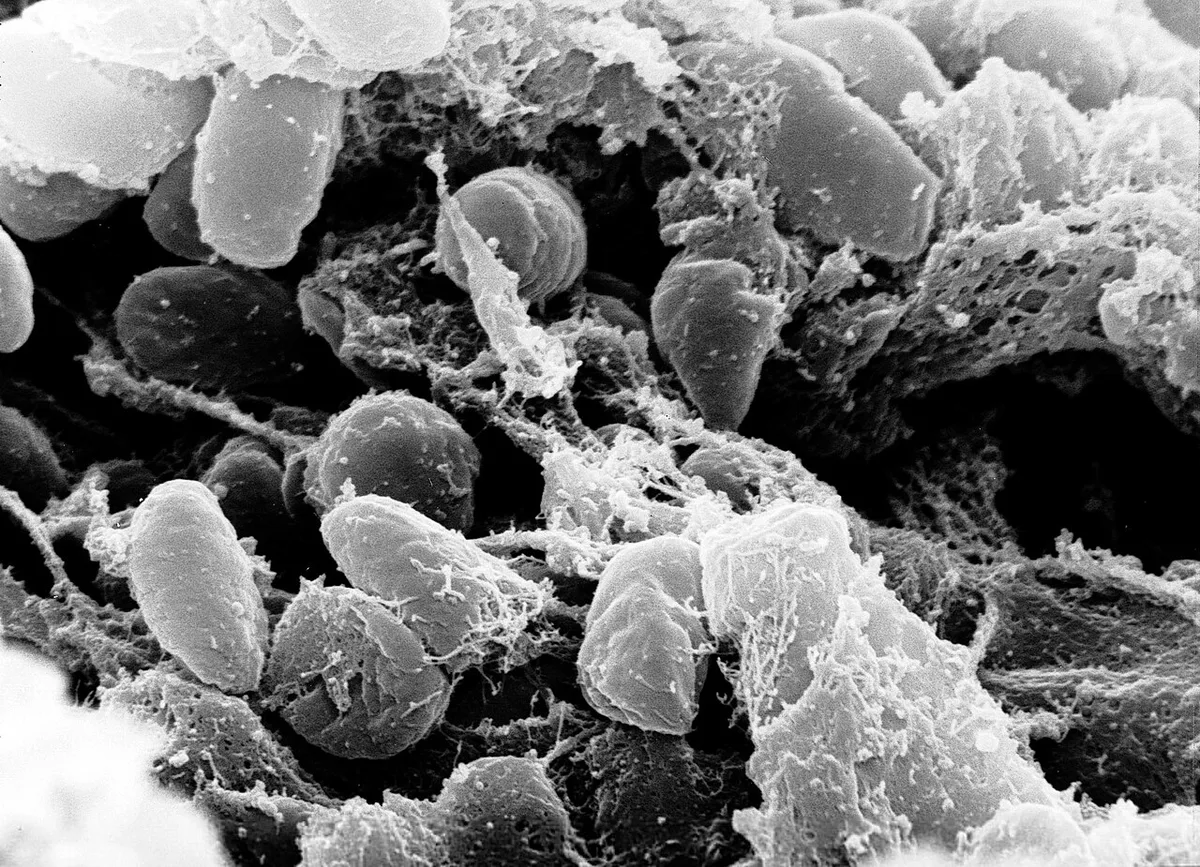
Pneumonic plague is a severe lung infection caused by the bacterium Yersinia pestis. Fever, headache, and weakness arrive first, then a rapidly developing pneumonia with cough, chest pain, shortness of breath, and sometimes bloody sputum. The symptoms typically begin three to seven days after exposure. Unlike bubonic plague, which spreads through the bites of infected fleas on rodents, the pneumonic form moves from person to person in respiratory droplets. Untreated, mortality approaches 100 percent. Some patients die within thirty-six hours. Antibiotics have to begin within about twenty-four hours of the first symptoms. Isolation of the infected and correctly fitted masks are the ordinary protections.
Peter Hotez, dean of the National School of Tropical Medicine at Baylor College of Medicine, spoke to the limits of what was known. “We don’t even know for sure that it’s plague.” He continued, “It certainly could be pneumonic plague, but we are not getting a lot of information out of the Russians.” The place itself argued for caution. “Even if it is pneumonic plague, it’s important not to jump to too many conclusions. This is right in the heart of where plague occurs naturally, so potentially she was working on a naturally occurring isolate.”
Dr. Mike Ryan, who led the World Health Organization’s emergency response division until 2025, said basic masking and hospital isolation were “more than sufficient” to contain the danger. Larry Gostin, a Georgetown Law professor who specializes in public health, addressed the darker speculation that had followed the Siberian case. “Right now, we don’t have any evidence that they were designing a bioweapon, but it’s Russia, and we don’t know for sure.”
The U.S. government was already monitoring the reports. A State Department official said Washington was following the suspected pneumonic plague case with the Centers for Disease Control and Prevention, noting that many details remained unconfirmed and urging Russian authorities to share accurate information quickly.
President Donald Trump spoke to the same reports in Washington. “I hate to see them having it. It’s a rough disease.” He went on: “That’s a disease we used to be able to control, but somehow those microbes have gotten stronger and smarter. They’re like an army.” He added one more line. “We’re looking at it very strongly.”
The contacts remained under daily observation and testing. Kobzev said they had no symptoms. Laboratory tests on them were negative. Rospotrebnadzor still called the etiology unknown. The clean results did not lift the watch. Daily checks continued for everyone traced after the admission in Shelekhov. The federal health agency held its description of pneumonia whose cause had not been identified.
More than sixty institute employees were isolated inside the facility. They slept on chairs and floors. Relatives delivered food to an internal checkpoint.